Help an Elementary School Child Make Friends After Summer
Summer can change the social map for an elementary school child. A close friend may be in another class, a family may have moved, or a child may feel unsure about approaching classmates after weeks away. To help an elementary school child make friends after summer, focus less on arranging a perfect friendship and more on the small skills that make connection possible.
Parents cannot choose friends for a child. They can help a child notice shared interests, begin a conversation, recover from an awkward moment, and understand that friendships often take more than one day to grow.
Start with what your child is actually worried about
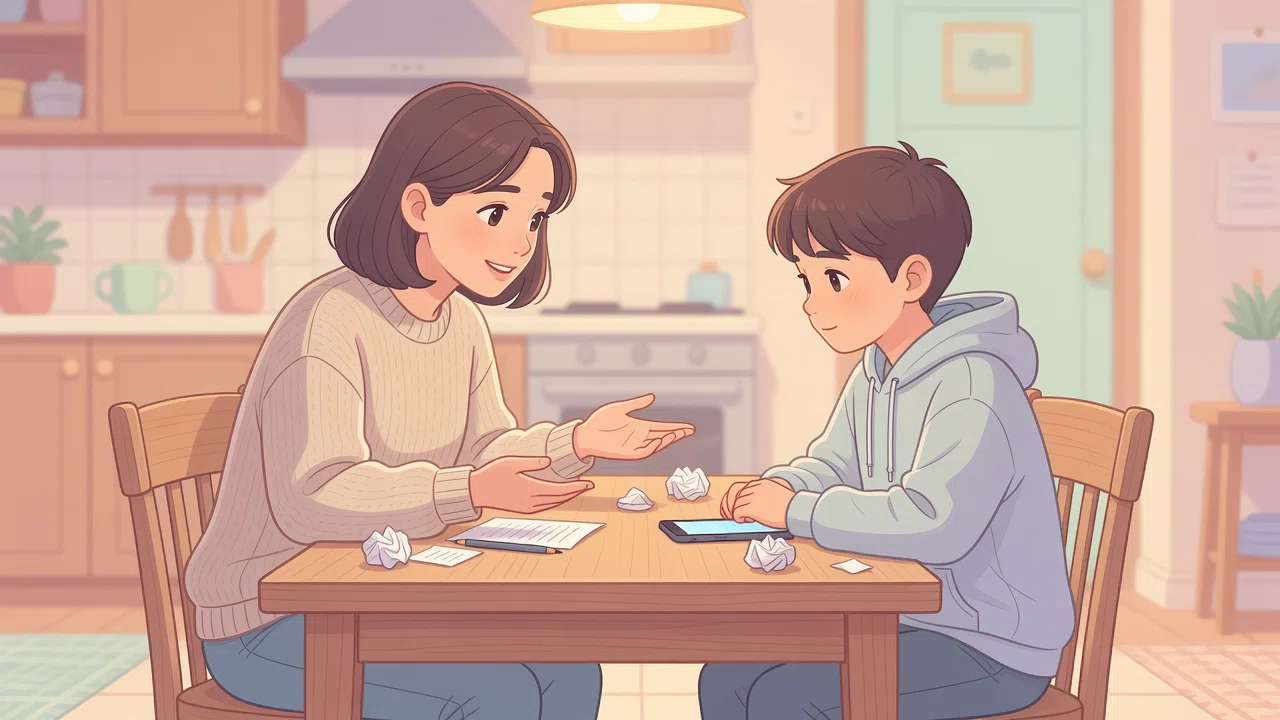
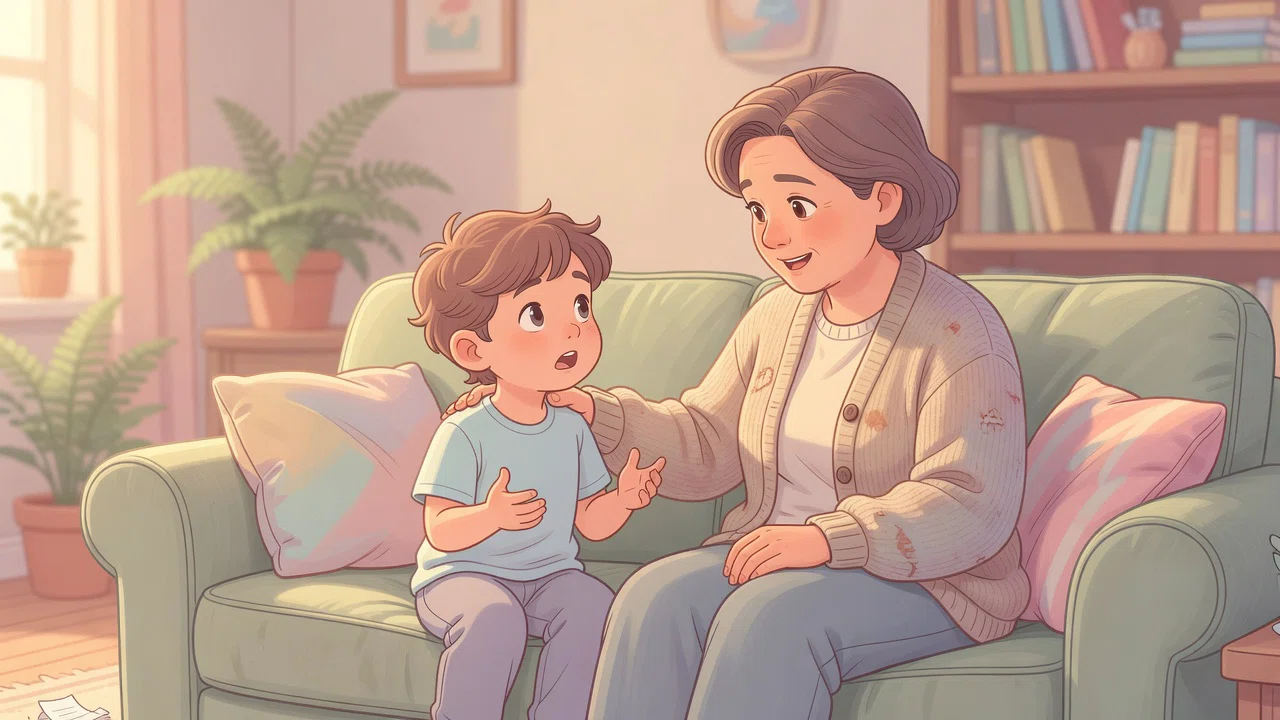
Ask open questions before offering advice. "Who are you hoping to see?" "Is there a part of recess or lunch that feels hard?" "What do you wish you knew before the first day?" A child who says, "I have no friends," may mean their closest friend is in another class or they do not know how to enter a game.
Listen for the specific situation. A solution for a child who misses an old friend is different from a solution for a child who feels nervous introducing themselves. Naming the problem makes it less like a permanent social verdict.
Practice simple ways to join in
Children do not need clever lines to start a friendship. They need a few words they can remember when they feel nervous. Practice questions connected to the setting: "Can I play too?" "What are you building?" "Do you want to sit together?" "What did you do this summer?"
Role-play both a welcoming answer and a disappointing one. If another child says no, your child can try a different activity, ask someone else, or spend time with a familiar adult until the next opportunity. This is not teaching a child to accept unkindness. It is teaching them that one awkward interaction does not define their place at school.
Use school routines as social opportunities
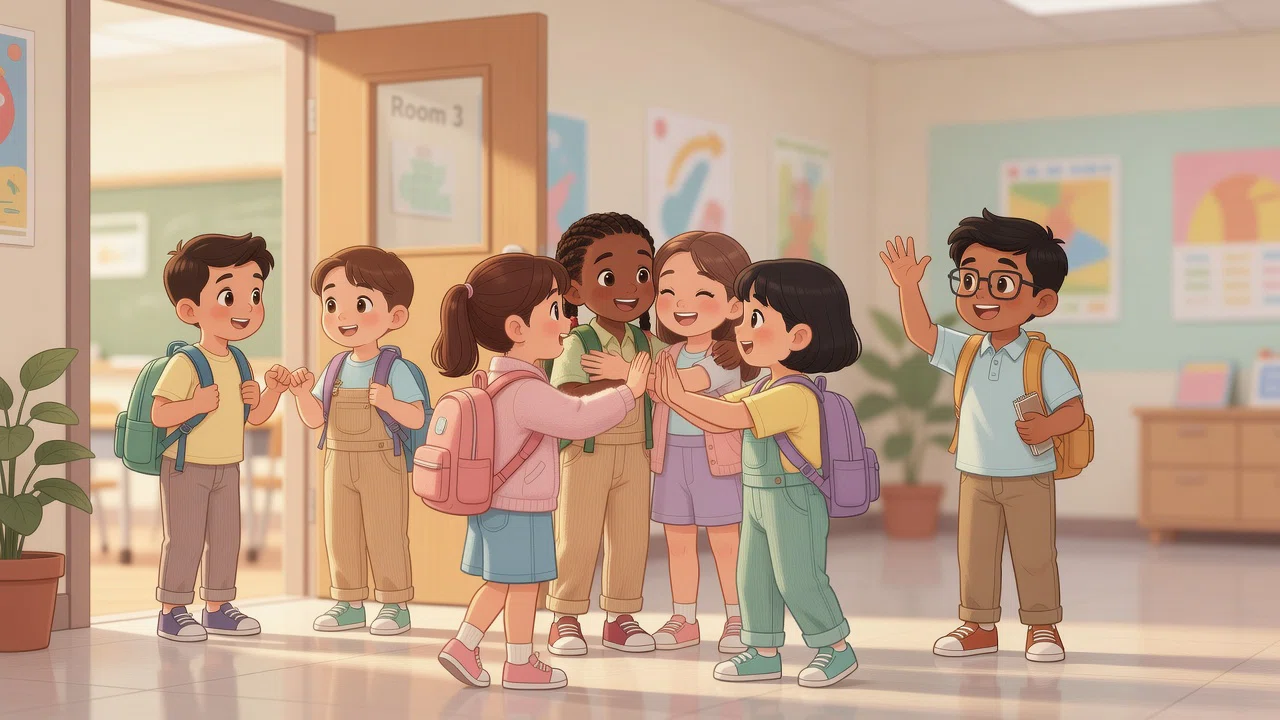
Friendship does not happen only at recess. Arrival, classroom jobs, lunch, clubs, library time, and walking to the bus can all offer smaller chances to connect. Help your child notice where they already share an interest or task with another child.
If the school has an activity that fits your child's interests, encourage them to try it without promising an instant best friend. Shared activities make conversation easier because there is something real to discuss. A child who likes drawing, robotics, music, sports, or books may find a natural starting point there.
Keep your support practical and calm
Parents sometimes respond to social worries by contacting another family immediately or organizing every playdate. That may help in some cases, but it can also teach a child that friendships only happen through adult management. Begin with what your child can do themselves.
You might help them choose one classmate to greet, make a plan for recess, or invite someone to a short activity after school. If a playdate makes sense, keep it simple and give children something concrete to do together. A long, unstructured event can be difficult for children who are still getting to know each other.
Talk about being a good friend
Making friends is not only about being chosen. Ask your child what helps them feel included. They may mention sharing, taking turns, listening, or not leaving someone out of a game. Then ask how they could offer that same experience to another child.
This conversation should not become a moral lecture. Use real examples: if a new student is sitting alone, what is one respectful way to say hello? If a friend wants to play something different, how can you disagree without ending the game? Children learn social judgment through practice and reflection.
Watch for patterns that need more help
The first weeks of school can be uneven. A child may come home happy one day and lonely the next. Give friendships time to develop while continuing to listen.
If your child repeatedly avoids school, reports exclusion or bullying, or seems persistently isolated, contact the teacher or school counselor. Share specific observations rather than broad labels. A trusted adult can often see classroom and recess dynamics that are hard for a parent to observe.
Helping your child make friends after summer means giving them words, opportunities, and a steady place to talk through what happens. The aim is not to guarantee a certain friendship. It is to help your child become more capable of reaching toward others with kindness and resilience.