
Backyard Physics Experiments for a 7th Grader
Transforming the Backyard into an Engineering Lab
Summer provides an ideal opportunity for a 7th grader to apply physics concepts outside the classroom. By this age, students have the capacity to understand force, motion, and structural integrity. Instead of reading about these concepts, parents can turn the backyard into a test site for hands-on experiments that require critical thinking and precise application.
Structural Integrity and Mechanical Advantage
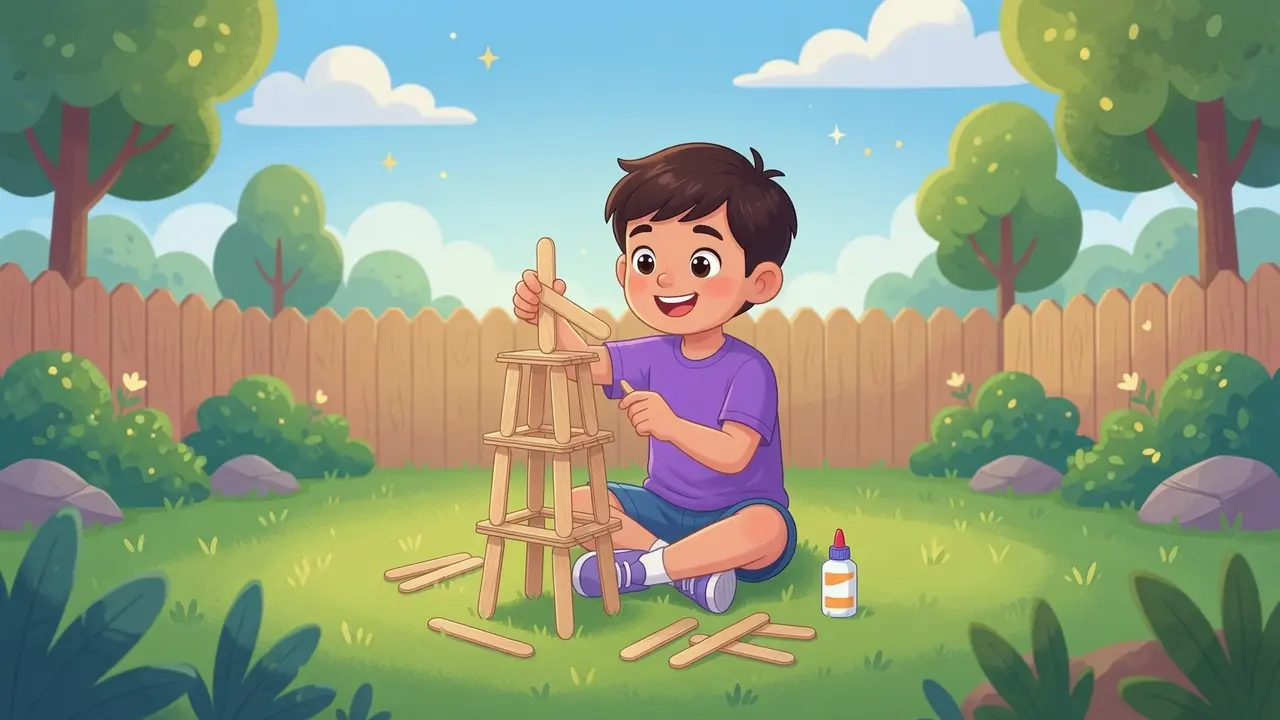
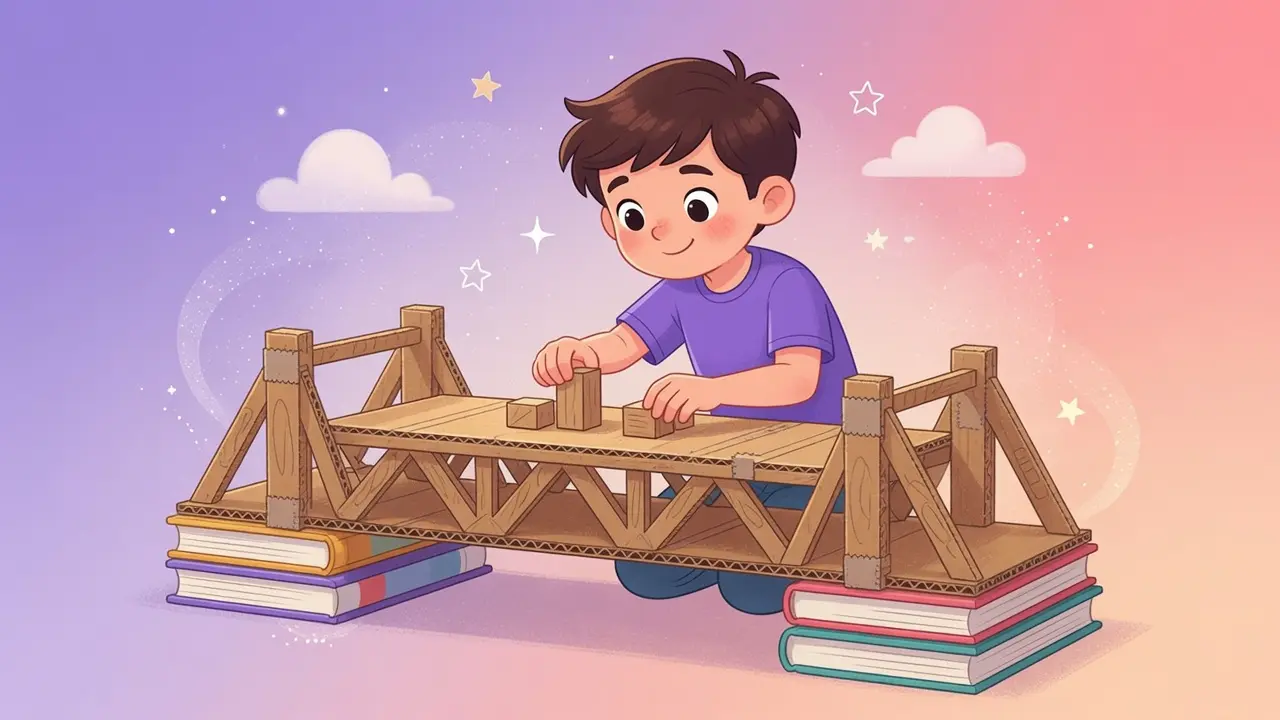
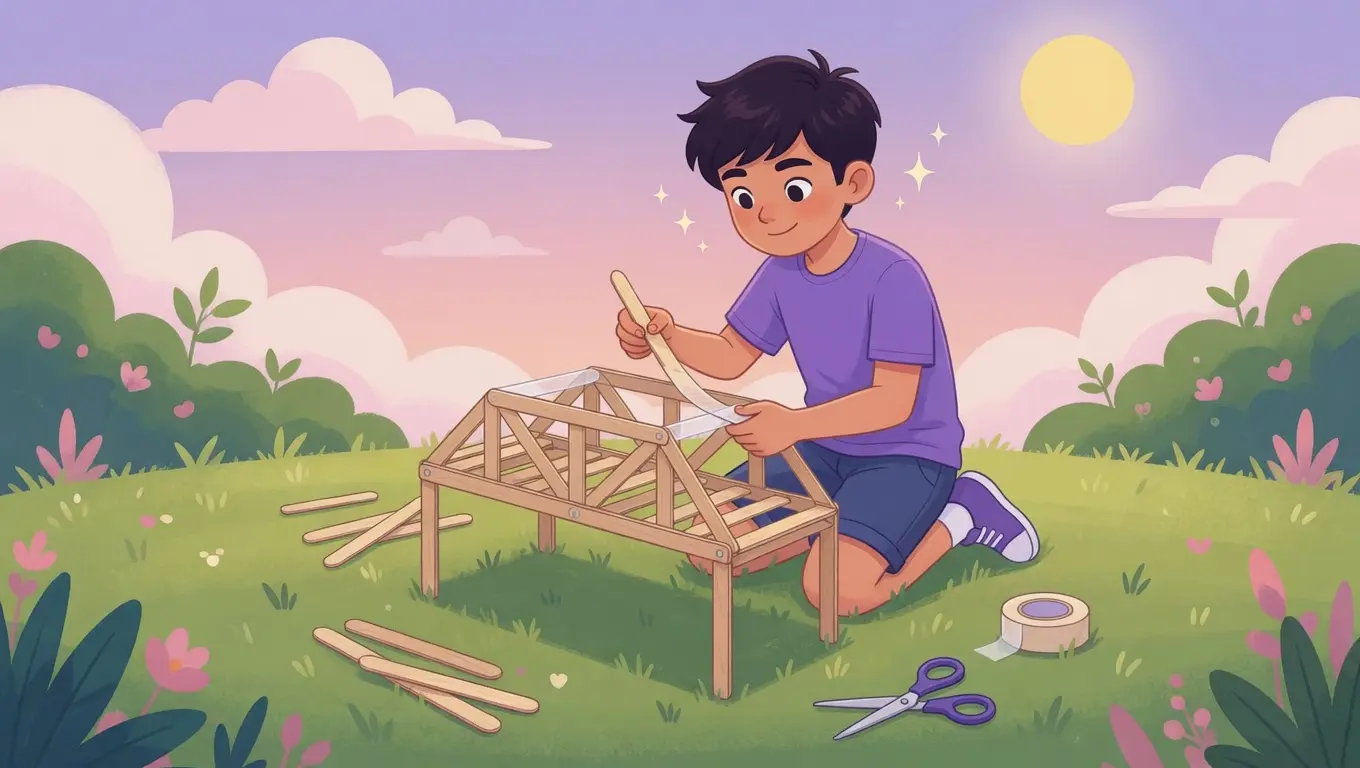
Challenge your 7th grader to design and build a structure capable of supporting a specific weight. For instance, build a model bridge using only balsa wood or popsicle sticks and glue. The experiment should focus on understanding the tension and compression forces at play. After the bridge is constructed, perform a test to identify the failure point.
Ask your child to evaluate the result. Which part of the structure buckled first? Why did the design fail under that specific load? This iterative cycle of design, test, and modification is essential to the engineering process. It teaches that failure is not a negative outcome but a data point to be analyzed to improve the next iteration.
Motion and Projectile Physics
Set up a competition to build a catapult or a trebuchet. This experiment introduces the concept of potential and kinetic energy. Your 7th grader must calculate the optimal angle for the launch and adjust the pivot points to maximize distance. Encourage them to collect data on different launch angles and mass payloads.
When the project is complete, have them graph the results. This allows them to see the relationship between launch variables and performance. If a launch falls short of expectations, ask them to identify which variable caused the discrepancy. Was it the tension in the elastic component, the angle of the throwing arm, or the weight of the projectile? This encourages them to think in terms of system variables and environmental influences.
Fluid Dynamics and Thermal Energy
Experiment with water pressure or heat absorption. Build a solar oven to understand how thermal energy can be harnessed and directed. Task your child with measuring the temperature increase over a set interval. Ask them to explain the relationship between the surface area of the reflector and the rate of heating.
This experiment introduces students to data collection and variables control. They must keep a log of their observations, ensuring that environmental factors like cloud cover or ambient temperature are noted. This practice of controlling variables is foundational for any rigorous scientific work they will encounter in 8th grade and high school science.
Encouraging Scientific Inquiry
As a parent, your role is to act as the lead researcher's assistant. Provide the materials and set the parameters for the experiment, but allow your child to drive the design. If they encounter a problem, ask questions that lead them to the answer rather than telling them how to fix it. How do you think this variable will affect the outcome? or What evidence do you have to support your design decision?
By facilitating these activities, you help your child build the intellectual confidence and analytical mindset required for complex problem-solving. Summer experiments in the backyard are more than just a distraction; they are a bridge between abstract physics principles and practical, real-world utility, ensuring your 7th grader remains sharp and inquisitive.