Backyard Physics Experiments for an 8th Grader
Moving Past Simple Demonstrations
By eighth grade, students are capable of moving from basic scientific observations to understanding the underlying mechanics of physical systems. Instead of simple kits or pre-packaged science projects, backyard physics offers a chance to engage with real engineering challenges. This is the age where they can grasp the nuances of kinematics, thermodynamics, and structural integrity by applying them to physical objects.
Engineering as Scientific Inquiry
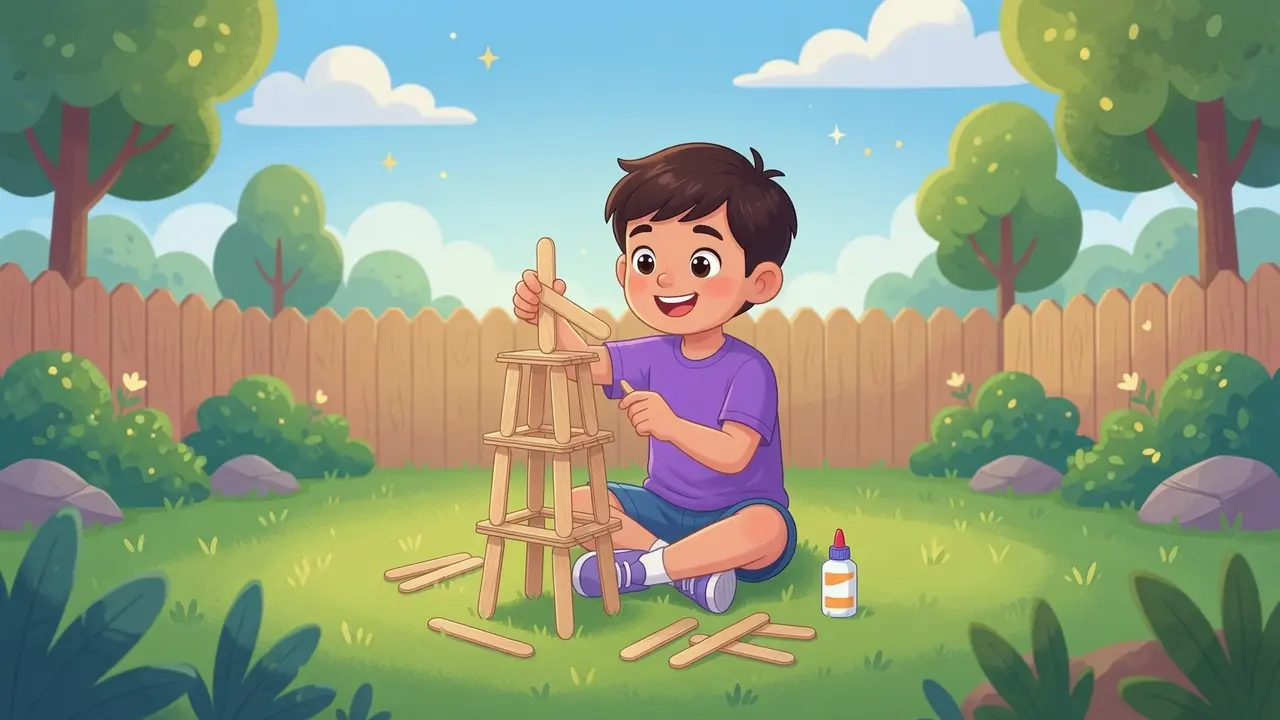
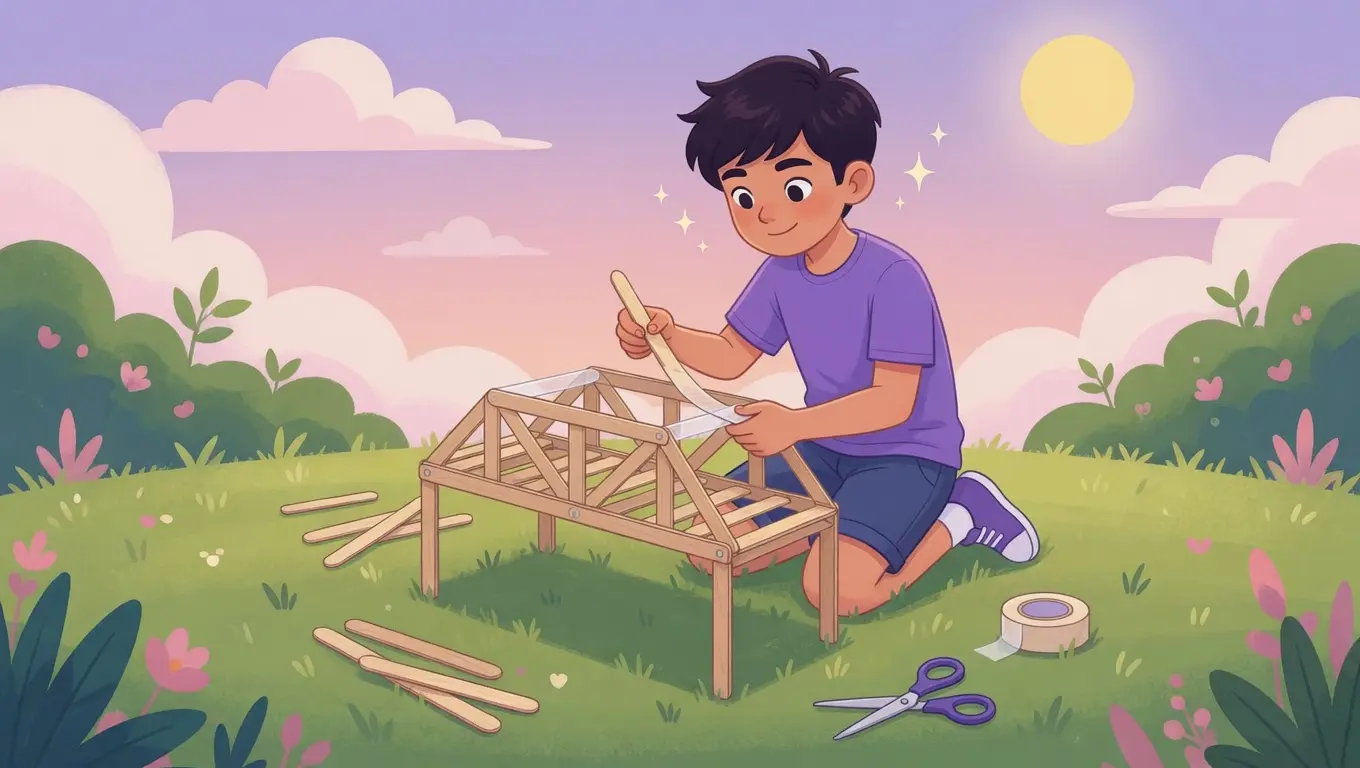
Challenge your 8th grader to build a system that solves a practical backyard problem. This could be designing a more efficient compost turner, a gravity-fed irrigation system for a garden, or a structure to minimize wind resistance for an outdoor plant stand. The focus should be on the iterative process: hypothesis, design, test, failure, and revision. When the design fails, they have a tangible problem to troubleshoot, which builds the analytical resilience required for higher-level physics coursework.
The Logic of Force and Energy
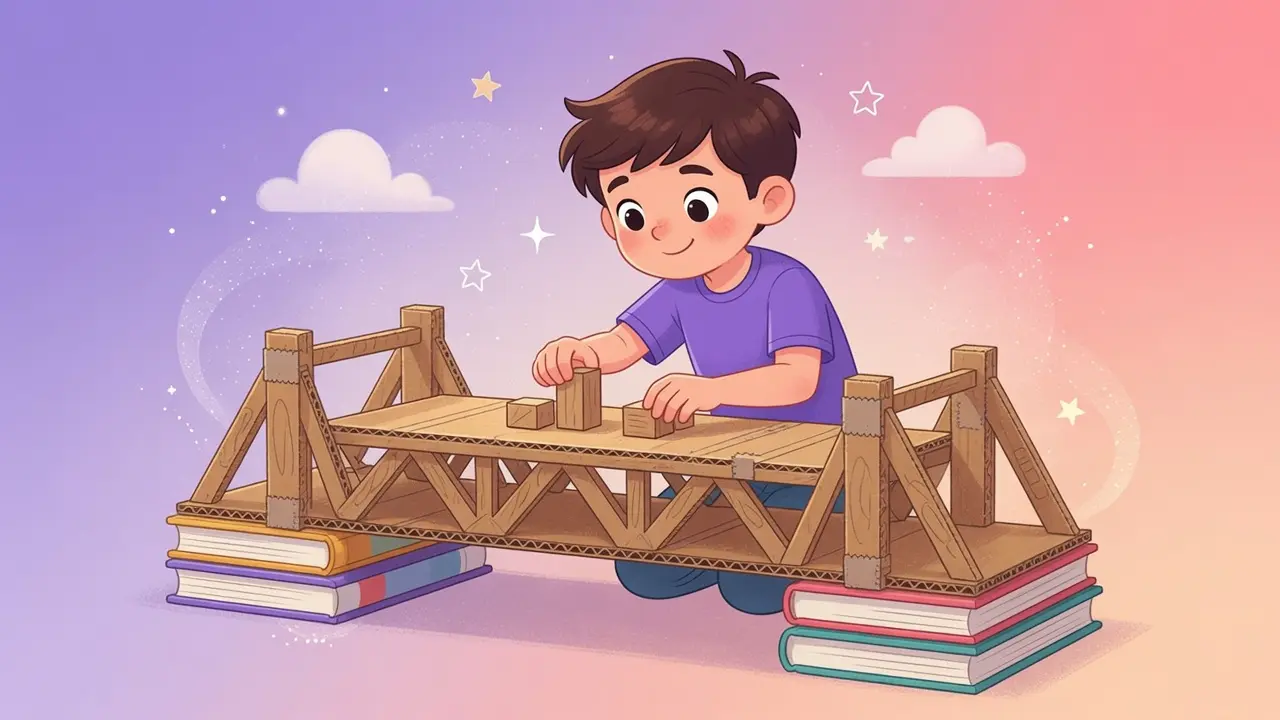
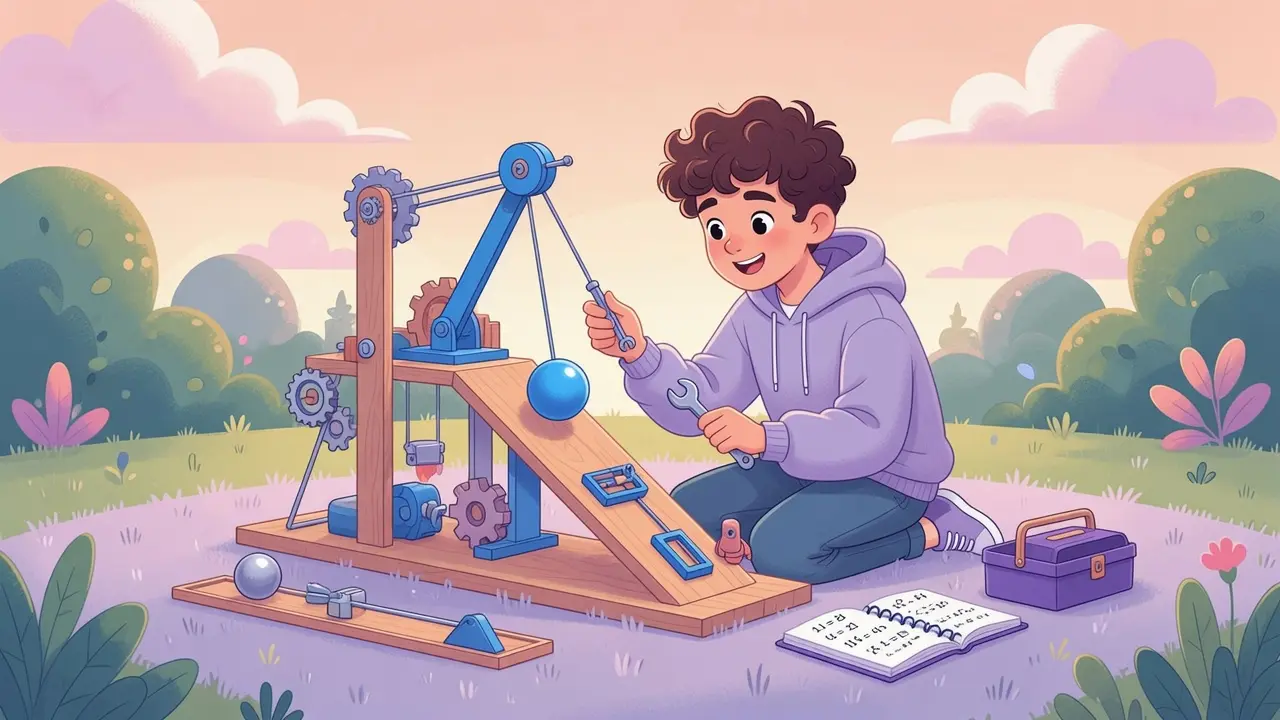
Use your local environment to discuss the forces acting on physical structures. Have your 8th grader calculate the load-bearing requirements for a simple deck project or the velocity needed for a water balloon launcher to hit a specific target. These calculations ground abstract concepts of force, energy, and work in reality. When they see the math predict the physical outcome, the principles of physics become a tool for mastery rather than just a set of equations in a textbook.
Facilitating Analytical Growth
As a parent, your role is to guide their inquiry without providing the shortcut. When a student hits a wall in their project, ask questions that require them to reconsider their variables. Ask, 'What happens to your kinetic energy if we increase the mass but keep the force constant?' or 'How does the structural geometry affect the distribution of the load?' This approach encourages the student to synthesize their knowledge and apply it to an unpredictable, real-world context.
Building Confidence Through Failure
Failure is an essential part of the engineering process. In a high-stakes academic environment, students are often conditioned to fear being wrong. Backyard experiments provide a low-stakes environment where failure is merely a data point that suggests a design tweak. By fostering this mindset, you equip them with the intellectual maturity to handle more abstract and complex science in high school.
Conclusion: The World as a Laboratory
Science for an 8th grader should prioritize the understanding of cause and effect. By engaging in these backyard projects, your child will see that physics is not a static subject, but a dynamic way of interacting with the world. They will develop the analytical skills to look at a system and understand its mechanical underpinnings, turning the summer break into an active training ground for the rigor they will encounter in their future studies.