
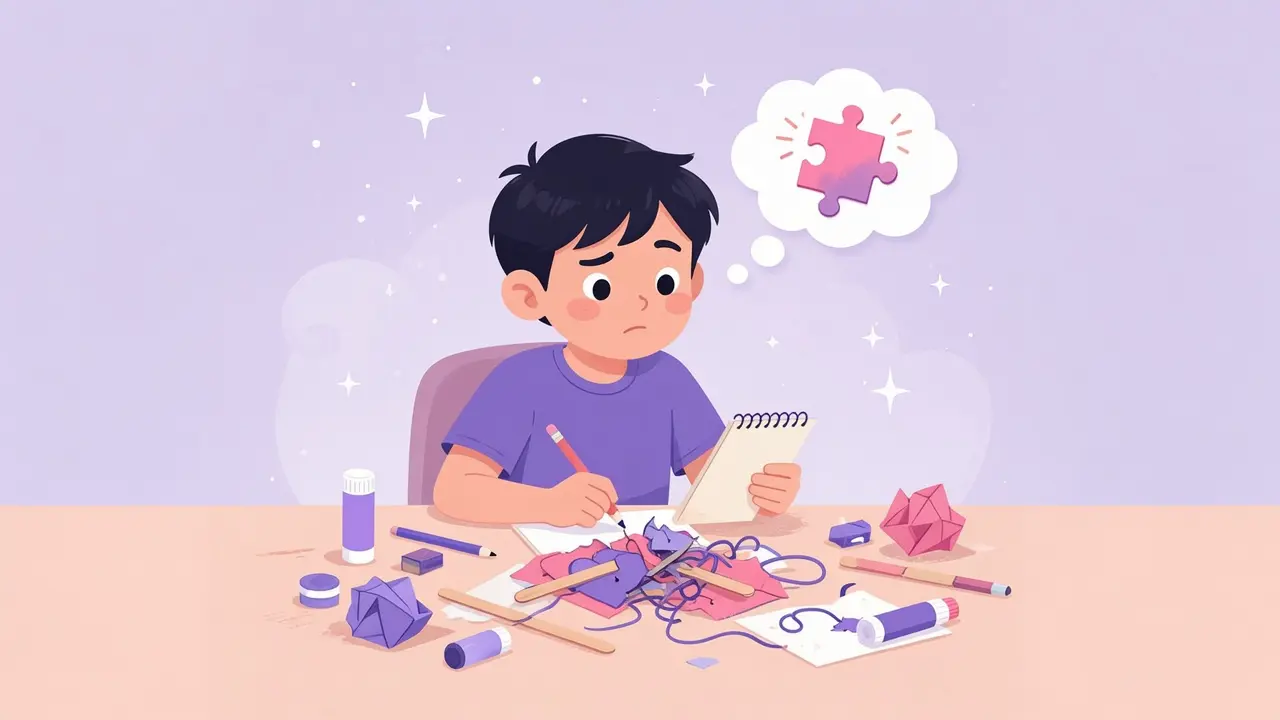
Building Emotional Resilience for a 10-year-old
The Summer Opportunity for Resilience
For a 10-year-old, the school environment provides a constant, external framework for managing tasks, social interactions, and daily success or failure. When that structure disappears during summer, the child is left to navigate their own emotional landscape without the immediate guidance of teachers or the familiar rhythm of the classroom. This is a primary opportunity for developing emotional resilience. It is a period where the child can experiment with autonomy, experience minor failures in a low-stakes environment, and learn to regulate their responses.
Resilience at this age is not about preventing disappointment. It is about equipping the child with the tools to observe their own emotional reactions, understand the cause of those feelings, and determine a path forward. Parents who step in to remove every obstacle deny their child the chance to build this critical capacity.
Reframing Setbacks as Information
When a 10-year-old encounters a setback, such as a project that does not work or a plan that falls through, the parent has a choice in how to respond. Instead of immediately offering a solution or minimizing the frustration, focus on gathering information. Ask the child: What part of this did not go as expected? What were the variables you could control? This shifts the focus from the negative emotion of the failure to the objective reality of the situation.
By treating the setback as data, you teach your child that a failure is not a moral statement about their ability, but a piece of information that informs their next attempt. This analytical approach keeps the child engaged in the process and helps them avoid the trap of internalizing the mistake as a permanent flaw.
Building Competence Through Discomfort
Emotional resilience grows in the presence of discomfort. Encourage your 10-year-old to tackle tasks that are challenging enough to require effort and risk. If they are interested in woodworking, for instance, let them handle the tools and follow a plan even if it means they make errors that require starting over. The frustration they feel during this process is where the growth happens.
As they work, focus your guidance on asking thoughtful questions rather than providing step-by-step instructions. Ask: How can you stabilize this piece before you cut it? or What happens to the structure if you change this connection? By guiding them to think through the problem, you help them develop the confidence that they can resolve their own difficulties. This is the foundation of self-reliance.
Analyzing Emotional Patterns
Use the summer time to help your child label and understand their emotional patterns. If your 10-year-old is prone to quick frustration, talk about it when they are calm. Ask: When you feel that surge of anger or disappointment, what does it feel like in your body? Identifying the physiological signal of an emotion helps the child catch their reaction before it becomes an impulsive behavior.
Once they can identify the signal, work together on a neutral, objective response strategy. Maybe they need a five-minute break from the task, or perhaps they need to write down what they are trying to do so they can look at it with fresh eyes. These strategies are tools in their emotional toolbox. They are not ways to suppress the emotion, but ways to manage it so the child can return to their goal.
The Role of Reflection
At the end of a week, engage your child in a conversation about their growth. Do not just ask if they had fun. Ask: What was the most difficult thing you attempted this week? How did you handle the moments when you wanted to quit? This type of reflection reinforces the idea that they are an active agent in their own development. You are confirming that their effort, and the way they navigated the obstacles, is what matters most. By doing so, you support the development of a child who views life as a series of experiments and opportunities for learning, rather than a test they must pass to earn approval.