
Building Resilience for a 12-Year-Old
The Definition of Resilience at Twelve
Resilience at twelve years old is not about avoiding difficulty or suppressing emotion. It is the ability to acknowledge a setback, understand its causes, and determine a logical course of action. During the school year, teachers and external structures often provide the framework for managing stress. When summer arrives and those structures fall away, your 12-year-old may feel untethered. Building resilience away from the classroom requires a shift in how they view their own capability to handle obstacles independently.
Shifting from Compliance to Competence
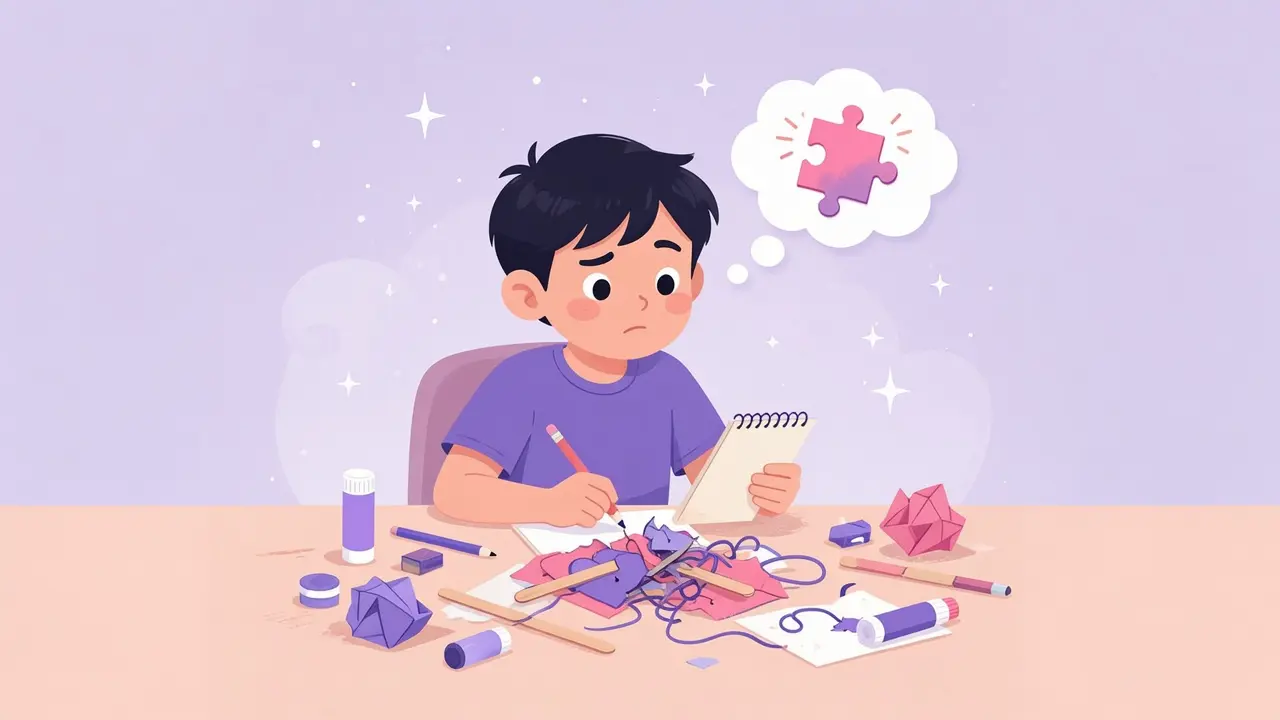
Middle schoolers spend much of their day complying with external expectations. Summer provides a unique opportunity to shift that focus toward internal competence. Resilience grows when a child is permitted to fail in a low-stakes environment. If they attempt a difficult project, such as building a model, learning a piece of music, or fixing a bicycle, they will encounter frustration. Do not immediately step in to rescue them. Instead, observe them working through the tension. Ask questions that prompt their logic: What was the point where the plan failed? What is one thing you could adjust to reach a different outcome? This transforms frustration into data for future attempts.
Identifying Personal Agency
Resilience is grounded in the understanding that one has agency. A 12-year-old often feels at the mercy of peer dynamics or school schedules. During the break, help them plan projects that are entirely their own. This might involve a garden plot, a programming goal, or an athletic training routine. When they initiate, track, and evaluate their own progress, they learn that their effort has a direct, observable impact. This is the bedrock of emotional stability. It provides a source of confidence that does not depend on teacher feedback or peer validation.
Navigating Emotional Volatility
It is normal for a 12-year-old to experience intense swings of confidence and self-doubt. When they face a challenge, their emotional brain may lead them to conclude that they are incapable. Your role is to provide the logical mirror. Acknowledge their frustration without validating the idea that it is a permanent condition. Ask: How is this problem similar to ones you have solved before? What part of this situation is actually within your control? This process helps them decouple their feeling of failure from the reality of the situation.
Developing Analytical Skills
Emotional resilience is enhanced when a child learns to analyze their experiences critically. When they have a conflict with a friend, don't focus on who was wrong. Instead, ask them to map out the chain of events. What was the cause-and-effect of the communication? What was the outcome, and what would they do differently next time? This type of post-mortem analysis treats social struggles as puzzles to be solved rather than tragedies to be endured. It replaces moralizing with mechanical understanding, which is much more effective for an adolescent brain.
The Role of Consistent Expectations
Resilience thrives in environments with clear, consistent expectations. Even without the rigor of school, maintain a basic rhythm in your home. When your child knows that their contributions (such as chores or shared responsibilities) are expected, they learn that their role in the family remains stable. This reliability creates a secure base from which they can venture out to face challenges. Resilience is not about being tough; it is about knowing where you stand and what is expected of you.
Actionable Steps for Parents
- Facilitate difficult but achievable tasks: Encourage your child to undertake a project that is challenging enough to require effort and iteration but not so difficult that it leads to total hopelessness.
- Practice reflection: At the end of the week, talk about what was hard, what you learned, and what you would change for next week. Use this as a shared habit.
- Celebrate process over outcome: When your child works through a problem, praise the persistence and the logical adjustments they made, rather than just the final success.
By helping your 12-year-old build their own tools for navigation, you are not just helping them through the summer. You are providing them with a framework for handling the complexities of the world long after they leave your home.