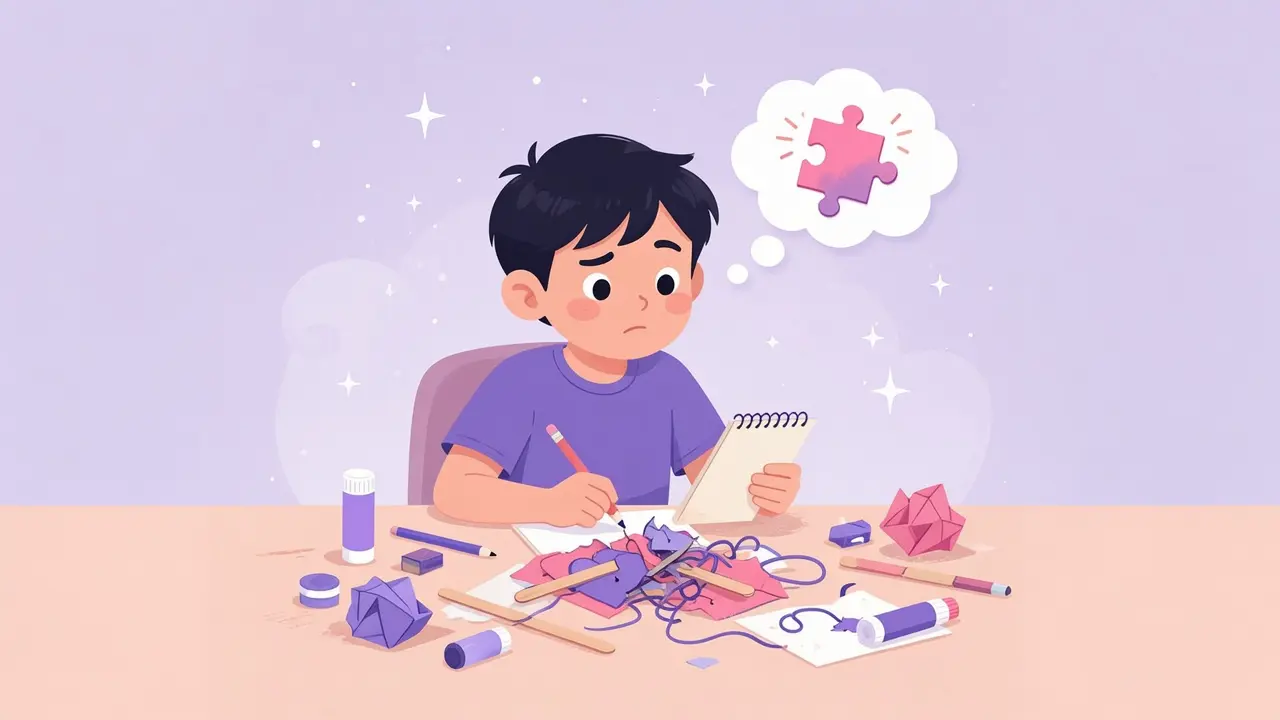

Building Emotional Resilience for an 8-year-old
The Development of Resilience at Eight
At eight years old, a child is developing the cognitive ability to reflect on their own experiences. They are beginning to move away from the immediate, impulsive reaction to frustration and toward a more thoughtful assessment of what went wrong and how to fix it. When a child is in the classroom, this process is often mediated by teachers who provide immediate structure and feedback. Away from that environment during the summer, the burden of emotional regulation shifts back to the child and their primary caregivers.
Building emotional resilience at this age does not mean shielding a child from difficulty. It means providing them with the framework to navigate challenges, analyze their responses, and recover from setbacks with a sense of competence. Resilience is not an innate trait; it is a skill honed through repeated opportunities to handle moderate levels of stress.
Moving from Reaction to Analysis
When your 8-year-old faces a setback, such as failing to build a complex model or losing a game, the initial reaction might be frustration or withdrawal. Instead of immediately fixing the issue or offering platitudes about their potential, focus on the mechanics of the event. Ask your child, What was the specific goal you had? Where did the process stall?
By asking these questions, you direct their energy away from the emotional output, their tears or anger, and toward the logical components of the task. This transition from reaction to analysis is the foundational step of building resilience. It teaches the child that they can disassemble a problem into manageable parts, making the overall challenge feel less like a reflection of their own value and more like a puzzle to be solved.
Using Failure as Data
An 8-year-old often fears failure because they perceive it as an absolute judgment of their ability. Help them reframe failure as data. If they try a new activity and it goes poorly, discuss what they learned. Did the strategy not work? Was the timing off? This approach removes the moral weight from the mistake.
For example, if your child is attempting to learn a new trick on their bicycle and falls, do not focus on the frustration. Ask, What did you learn about the balance or the speed for next time? By treating each attempt as an experiment, you foster a mindset that prioritizes growth through trial and error. This keeps the child engaged in the process and less prone to giving up when things get difficult.
Practical Frameworks for Problem-Solving
Provide your child with a simple, three-step framework they can use whenever they hit a wall. First, identify the exact challenge. Second, brainstorm two possible ways to approach it differently. Third, test one of those approaches and assess the result. This structure provides a sense of safety and predictability in the face of the unknown.
If your child is stuck on a chore or a creative project, model this process aloud. You might say, I am having trouble getting this garden fence to stay level. I see that the ground is sloped. I could try using more dirt on the low side, or I could try moving the fence over. I am going to try the dirt first and see if that works. By externalizing your own problem-solving, you provide a roadmap they can replicate in their own struggles.
Normalizing the Discomfort of Growth
Resilience is often built in the space between frustration and success. It is important to normalize the fact that feeling frustrated is an expected part of the learning process. Tell your child, It makes sense that you feel annoyed because you wanted this to work on the first try. Working through that annoyance is where the real progress happens.
Encourage your child to sit with the discomfort for a moment rather than rushing to abandon the task. This capacity for persistence is a key indicator of emotional resilience. By helping them view their internal state as an object to be observed rather than a directive to quit, you ensure that your 8-year-old remains capable and determined even when the classroom structure is absent. The resilience they build during these summer days will serve them well long after the break concludes.