
Gamifying Science Concepts for Your 7th Grader
Science as an Interactive Competition
Many 7th graders find the transition from structured science classrooms to unstructured summer time leads to a lack of academic momentum. Rather than traditional review, parents can leverage the competitive drive common at this age by gamifying scientific principles. When students view science as a series of levels to conquer or a set of mechanics to optimize, they approach the subject with increased focus and persistence.
Designing the Challenge Framework
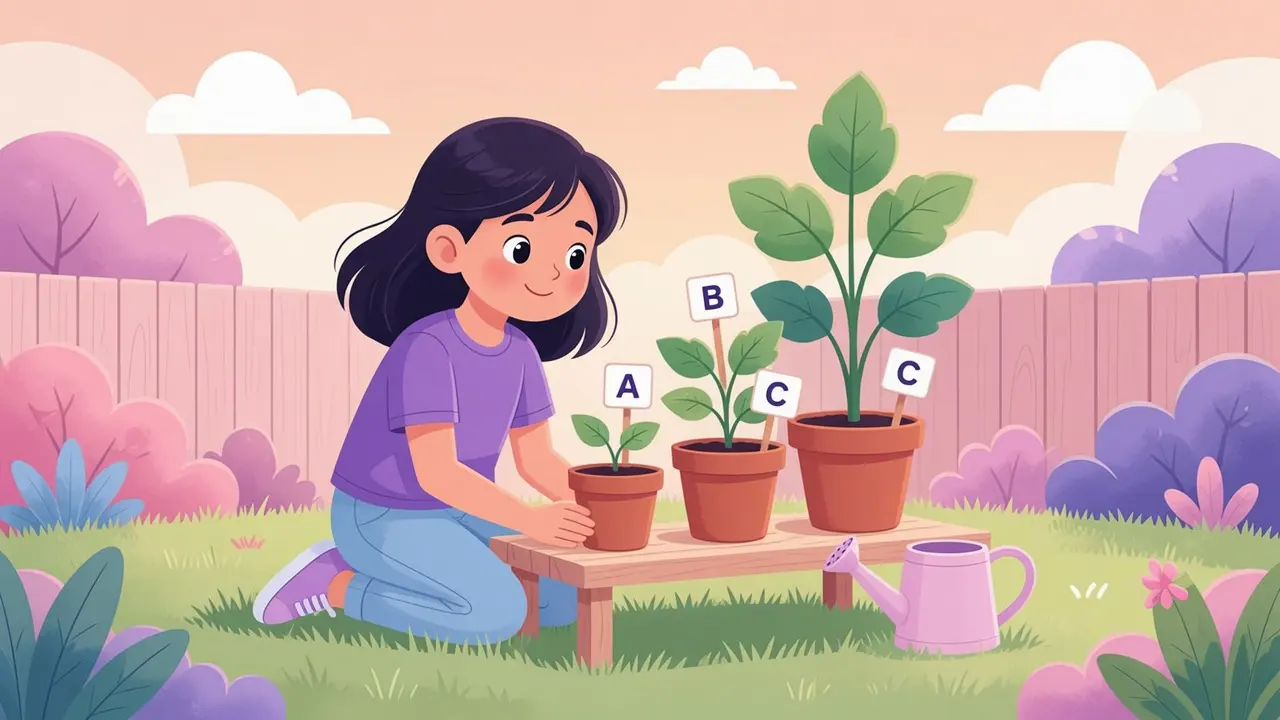
Transform your backyard into a test site. Define a clear challenge with measurable outcomes. For instance, if you are studying aerodynamics, establish a competition to build a projectile that stays airborne the longest. Provide specific materials and rules, then ask your 7th grader to design and test different prototypes.
This mirrors the scientific method while introducing the incentive structures found in games. Your child must track their results, identify why certain designs failed, and modify their variables to improve performance. This iterative process is how engineers and scientists actually work. If a design fails, do not provide the answer. Instead, ask what force was most likely responsible for the result and how they might alter their configuration to counteract that force.
Simulations and Probability
Use board games or digital simulations that require strategic use of probability. 7th grade science curricula often introduce students to predictive modeling. Have your child play a game that relies on resource management or environmental variables. After a session, discuss the underlying science. For example, if you are playing a resource-management game about ecosystem sustainability, ask your child to explain the cause-and-effect relationship between the scarcity of one resource and the health of the overall system.
This reinforces the ability to view systems in terms of interconnected parts. It shifts the child from passive player to analyst. Encourage them to test hypotheses about the game mechanics. If they think a specific strategy is optimal, have them document the outcomes of multiple sessions to support or disprove their claim with empirical data.
The Role of Real-World Data
Science is not confined to the classroom or the digital screen. Take advantage of natural phenomena to gamify data collection. If your family enjoys hiking or biking, have your child track variables like terrain, temperature, and time. Use this data to create a competition to see who can identify the most efficient route or predict the impact of elevation changes on performance.
This requires the student to understand the relationship between different physical variables. They must collect, clean, and organize the data before they can perform any meaningful analysis. This builds the foundational skills needed for more advanced statistical analysis and physics study in 8th grade.
Collaborative Problem-Solving
Invite your child to lead the design of the next challenge. Ask them to identify a scientific principle that interests them, define the parameters of the experiment, and establish the criteria for success. This requires them to understand the concept well enough to structure an inquiry around it.
By facilitating these activities rather than dictating them, you respect your child's growing intellectual independence. You provide the tools and the framework, but the discovery remains their own. This autonomy is crucial for building the intellectual confidence and analytical mindset necessary for success in middle school and beyond.