
Gamifying Science Concepts for Your 8th Grader
Science Beyond the Textbook
At thirteen, an 8th grader is cognitively ready to bridge the gap between simple observation and formal scientific inquiry. They are no longer satisfied with elementary demonstrations; they want to know how the mechanisms of the world actually work. Gamification offers a way to tap into this developmental shift. By transforming abstract principles of physics, biology, or chemistry into a series of strategic challenges, you turn the summer break into an active laboratory for critical thinking.
Defining the Challenge
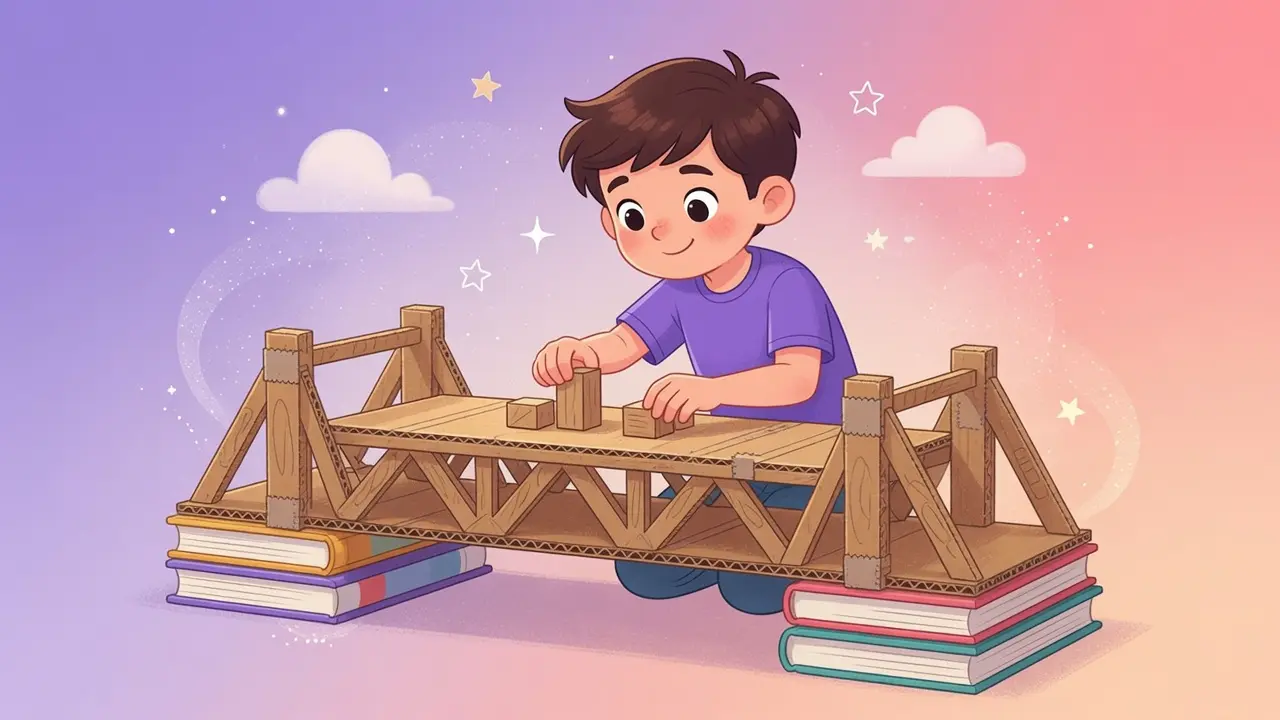
Gamification is not about adding points to a dull task. It is about creating a high-stakes environment where the student must use scientific principles to solve a specific problem. For an 8th grader, the game must offer enough complexity to be engaging but enough clarity so that they can see the underlying logic. Whether they are testing the tensile strength of bridge materials or optimizing a vegetable garden for nitrogen fixation, the process must demand that they hypothesize, test, and revise.
Engineering in the Backyard
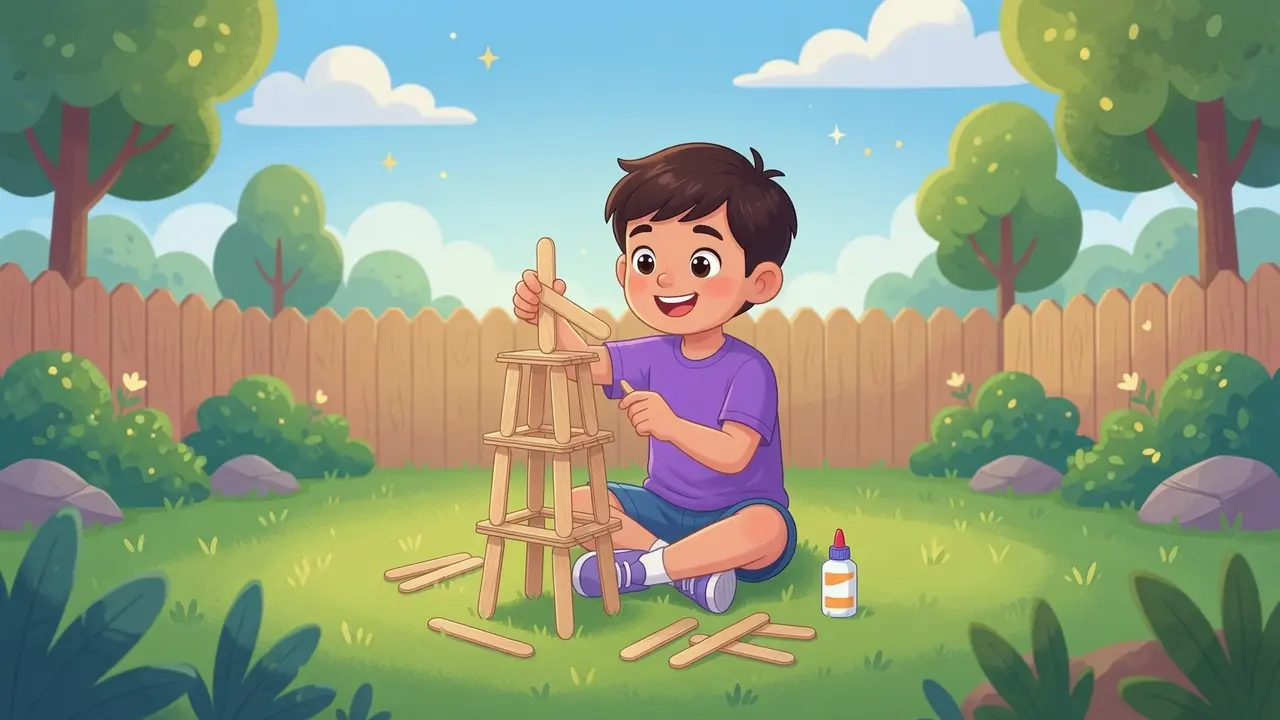
Use your backyard or garage to set up an engineering challenge. Ask your child to build a gravity-fed irrigation system or a wind-powered generator using materials you have on hand. These projects require them to apply physics, specifically fluid dynamics or kinetic energy, to a physical problem. When the system fails to work as expected, encourage them to identify the bottleneck rather than simply showing them the fix. This shift from blind compliance to analytical problem-solving is the hallmark of genuine academic growth.
Complexity in Strategy Games
Many strategic board games and digital simulations are grounded in complex biological or chemical models. Playing these games with an 8th grader offers an opportunity to discuss the scientific accuracy of the game mechanics. If they enjoy city-building games, ask them to investigate how real cities manage waste or energy systems. If they play survival games, discuss the resource requirements and the impact of environmental variables on an ecosystem. This forces them to synthesize information and evaluate how the game translates reality into a system of rules.
The Role of the Parent as Facilitator
Your role in this process is to be a partner in investigation, not a provider of answers. When your 8th grader faces an experimental hurdle, resist the temptation to provide a lecture on the correct scientific conclusion. Instead, ask questions that force them to examine the evidence. Ask, 'What variables could we adjust to change this result?' or 'How do the data points you have gathered contradict your initial hypothesis?' This maintains their autonomy while pushing them toward a higher level of cognitive rigor.
Preparing for High School Rigor
Science for an 8th grader should prioritize the understanding of cause and effect. By the time they enter high school, they should be comfortable with the idea that science is a process of iteration and refinement. Gamifying these concepts helps them view experiments as a way to engage with the world rather than as a set of rules to memorize. This approach builds the necessary maturity for tackling advanced science curriculum later on.
Conclusion: Fostering Intellectual Ownership
When you equip your child to judge information and test their own ideas, you are fostering the intellectual ownership they need to be successful students. By turning the summer break into a series of strategic experiments, you ensure they stay sharp while helping them realize that science is not a static body of knowledge, but an active way of interacting with the reality around them.