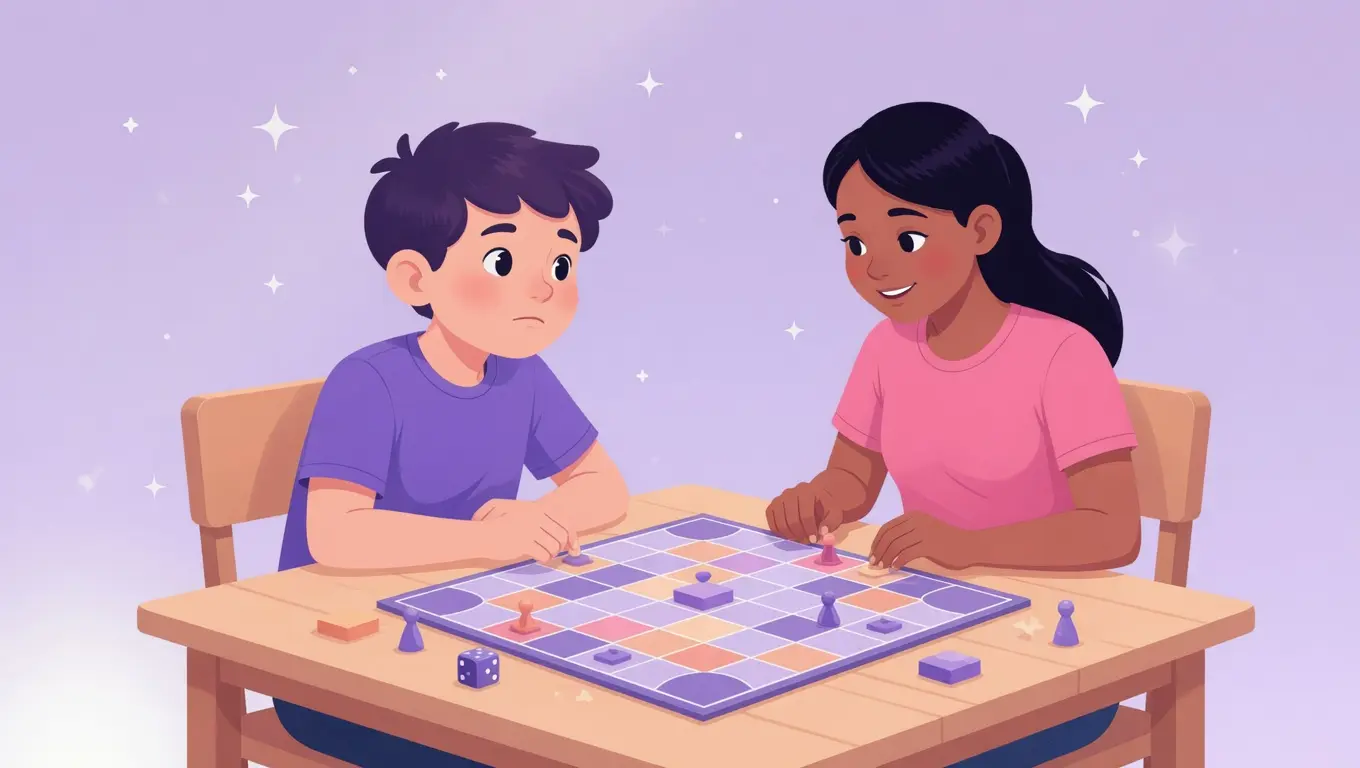

Handling Sibling Conflict for a 10-year-old
The Unstructured Summer Challenge
Summer often disrupts the established rhythms of a household, particularly for a 10-year-old who is accustomed to the predictability of school routines. When days are filled with unstructured time, the proximity of siblings can trigger frequent conflicts. At age 10, children are developing a stronger sense of autonomy and personal space, which naturally clashes with the needs of younger siblings who may still require constant attention or shared resources.
Conflict is not a sign of a failing family unit; it is an inevitable result of competing interests within a confined space. Parents often fall into the trap of acting as the arbiter, imposing solutions that feel unfair to one party or the other. Instead, view these disagreements as a developmental opportunity to teach negotiation and collaborative problem solving.
Shifting from Arbiter to Mediator
When a conflict arises over a shared item or an activity, move away from assigning blame. Instead, facilitate a discussion that centers on the underlying cause. Ask your 10-year-old and their sibling to state their specific goal. What are they trying to achieve in that moment? Once the goals are clear, shift the burden of finding a solution to the children themselves.
Suggest a framework like this: We have a challenge with the game console. You both want to use it for different things. How can we allocate the time in a way that respects both your needs? By asking them to devise a solution, you move from authoritarian enforcement to teaching them how to manage competing demands. If their solution involves unfair terms, ask them to identify the negative consequences of that plan. Let them reach the conclusion themselves.
Creating Physical and Temporal Boundaries
Conflict is often exacerbated by a lack of personal space. A 10-year-old needs dedicated time and territory to pursue their own interests. If the home environment allows, designate specific areas or times where the 10-year-old can work without interruption. This is not about isolating them, but about respecting their developmental need for independence.
Establish clear, predictable routines for the household. While summer should be more relaxed than the school year, consistency in meals, quiet time, and active play significantly reduces friction. When everyone knows the structure of the day, there is less ambiguity regarding when space and resources are shared or separate. Use a simple chart or verbal agreement to define these windows.
Developing Collaborative Projects
To counter the tendency for conflict, introduce activities that require collaboration between siblings. A 10-year-old is at a prime age to mentor a younger sibling or lead a joint project. Whether it is planning a neighborhood scavenger hunt, preparing a meal, or building an outdoor fort, these tasks require them to combine their different skill sets.
When siblings work on a project with a clear, objective outcome, the focus shifts from individual desire to team achievement. If they argue, ask them to look at the project goal. Does the current disagreement help them reach that goal, or does it hinder it? This keeps the focus on the task rather than the interpersonal friction. By guiding them to see how their actions influence their collective progress, you are helping them build the emotional maturity required for healthy relationships.