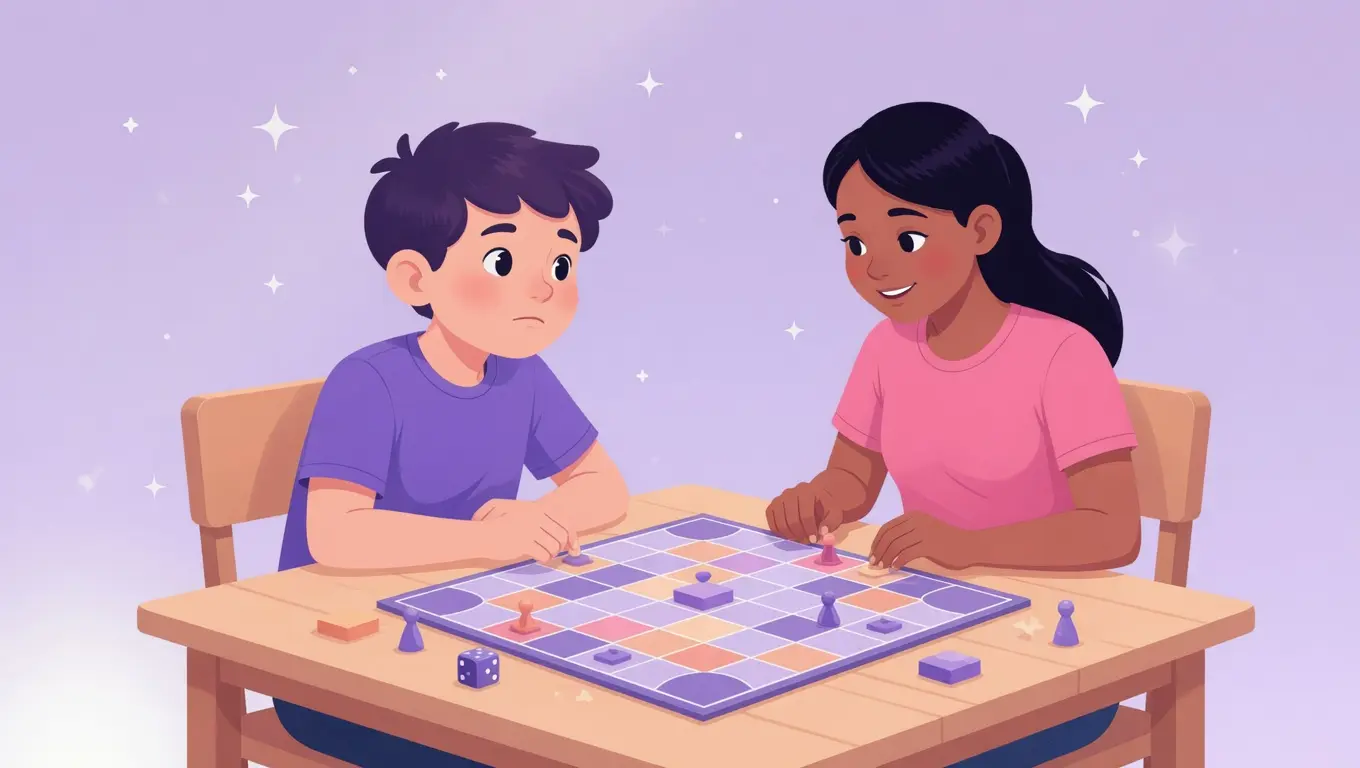

Handling Sibling Conflict for a 14-year-old
The Reality of Summer Proximity
For a 14-year-old, summer break represents a shift from the structured environment of the school day to a period of intense, often unmonitored proximity to siblings. At this developmental stage, teenagers are prioritizing autonomy and peer connection, making the forced shared space of home a friction point. When two adolescents are confined to the same living space for several weeks, typical arguments over shared devices, common areas, or differing personal schedules often escalate.
Conflict at this age is rarely about the surface-level issue. It is often a byproduct of competing needs for personal space and control over their environment. Recognizing that your 14-year-old is testing their capacity for self-regulation is the first step toward effective intervention.
Establishing Boundaries Through Collaboration
Rather than imposing arbitrary rules, involve your 14-year-old in defining the household operating procedures for the summer. This shifts the dynamic from compliance to ownership. Sit down and facilitate a discussion regarding the use of communal spaces.
Ask your teenager questions that force them to consider their sibling perspective: How do you think your brother feels when the living room is occupied by your gaming group for four hours? What would be a fair way to rotate access to the kitchen table for summer projects? By allowing them to propose a schedule, you encourage them to consider the cause-and-effect of their actions on the family ecosystem.
Handling Specific Sibling Friction
When conflicts arise, avoid acting as a mediator who assigns blame. Instead, treat the conflict as a problem to be solved by the parties involved. If a disagreement occurs over personal property or physical space, require the siblings to present the issue to you only after they have attempted to propose three distinct solutions to one another. This forces them to engage in the very type of problem-solving they are expected to demonstrate in professional and academic settings.
If the conflict involves aggressive language, focus on the impact rather than the morality of the words. Instead of scolding the behavior, ask them to explain what they were attempting to achieve and whether their method effectively reached that goal. This approach centers logic over shame.
Creating Independent Outlets
Much of the tension between siblings this age stems from a lack of individual identity. Encourage your 14-year-old to pursue an interest that exists entirely outside the family home, such as a local workshop, a volunteer opportunity, or a specific athletic pursuit. When a teenager has a clear, separate sense of self, the need to jockey for position within the home naturally decreases. This is not just about keeping them busy; it is about providing them with a laboratory to test their independence in the real world, reducing the pressure they feel to assert dominance at home.
The Role of Natural Consequences
When siblings cannot maintain civil discourse, implement natural consequences that reflect the reality of their choices. If two siblings cannot share a space without frequent disruption, the consequence should be a temporary limit on the use of that space for both parties. This is not a punishment, but a direct result of their inability to manage the shared environment effectively. Over time, this helps the 14-year-old understand that their freedom to act is tied to their ability to act respectfully toward others.