How to Help a 3rd Grader Become More Independent at School
Helping a 3rd grader become independent at school is less about expecting them to handle everything alone and more about giving them repeatable ways to handle ordinary moments. At this age, children can learn to unpack a backpack, follow a short set of directions, locate a missing paper, and decide when to ask an adult for help. Those skills make the school day feel more manageable.
Start with one or two routines your child can practice until they no longer need a reminder. A long list of new responsibilities can feel like another assignment. The goal is for your child to notice a problem, try a reasonable next step, and know when the problem needs adult support.
Choose school tasks a 3rd grader can truly own
Third graders are still learning to keep track of time, materials, and multi-step directions. Independence grows best when the task is concrete and the result is easy to see. Rather than saying, "Be more responsible," name the job and what finished looks like.
Good starting jobs include:
- Putting a folder, lunch box, and water bottle in the same backpack pockets each afternoon
- Using a class agenda or take-home folder to find what needs to come home
- Checking the desk, floor, and cubby before leaving class
- Reading directions once, then quietly asking a classmate or teacher for clarification if needed
- Telling the teacher about a lost item before the end of the day
If your child often comes home without a library book or permission slip, the cause may not be carelessness. They may be rushing during dismissal, unable to remember several locations, or unsure which materials matter. Ask, "What is happening right before you leave the classroom?" Their answer helps you choose a smaller fix than repeating a warning at the door.
Build a simple launch-and-landing routine
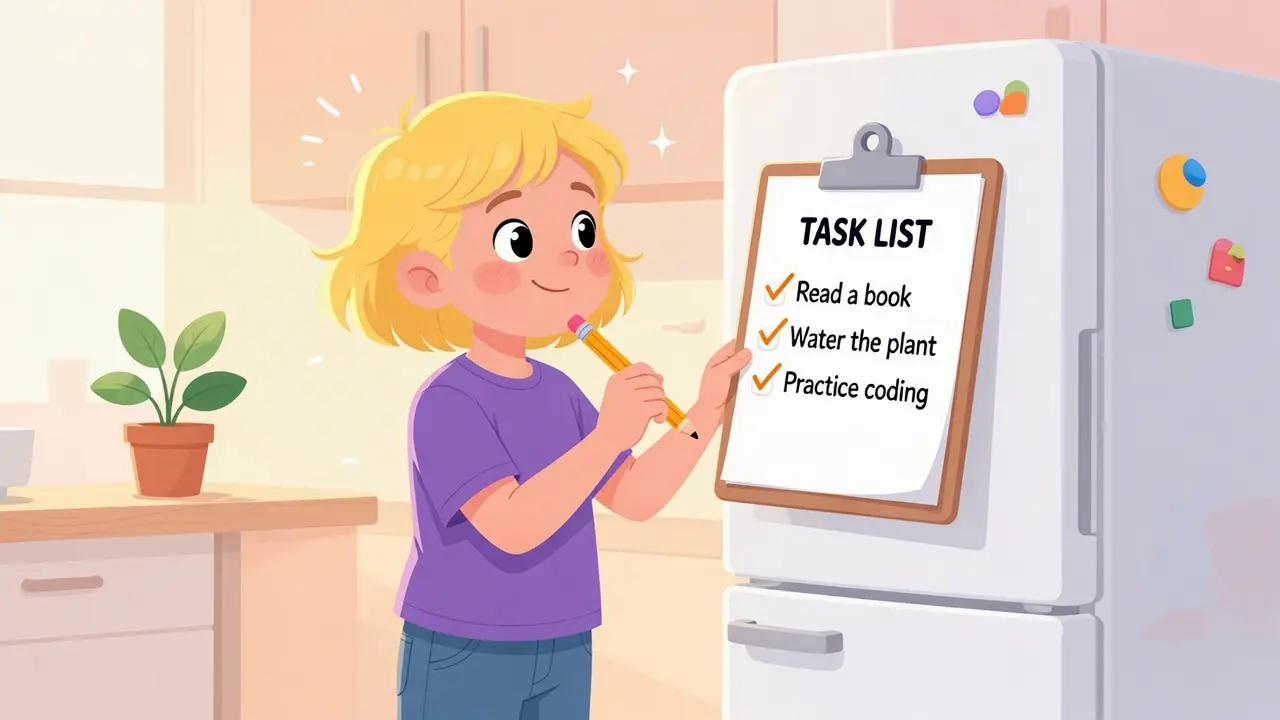
The beginning and end of the school day are high-value places to practice independence. Create a short morning routine at home and a short packing routine after school. Keep both visible at first, perhaps on a card inside the backpack, then remove the card when the routine is familiar.
Morning: let your child do the final check
Set out clothes, breakfast items, and backpack supplies in predictable places the night before. In the morning, let your child complete the last check: folder, lunch, water bottle, and weather item. You can ask, "What does your backpack need before we go?" instead of naming each item.
If something is forgotten, avoid immediately solving it when the consequence is minor and safe. A forgotten water bottle may mean using the fountain that day. A missed homework paper may mean explaining the situation to the teacher. Natural consequences give the routine a reason without turning a mistake into a character judgment.
Afternoon: pack before the scramble
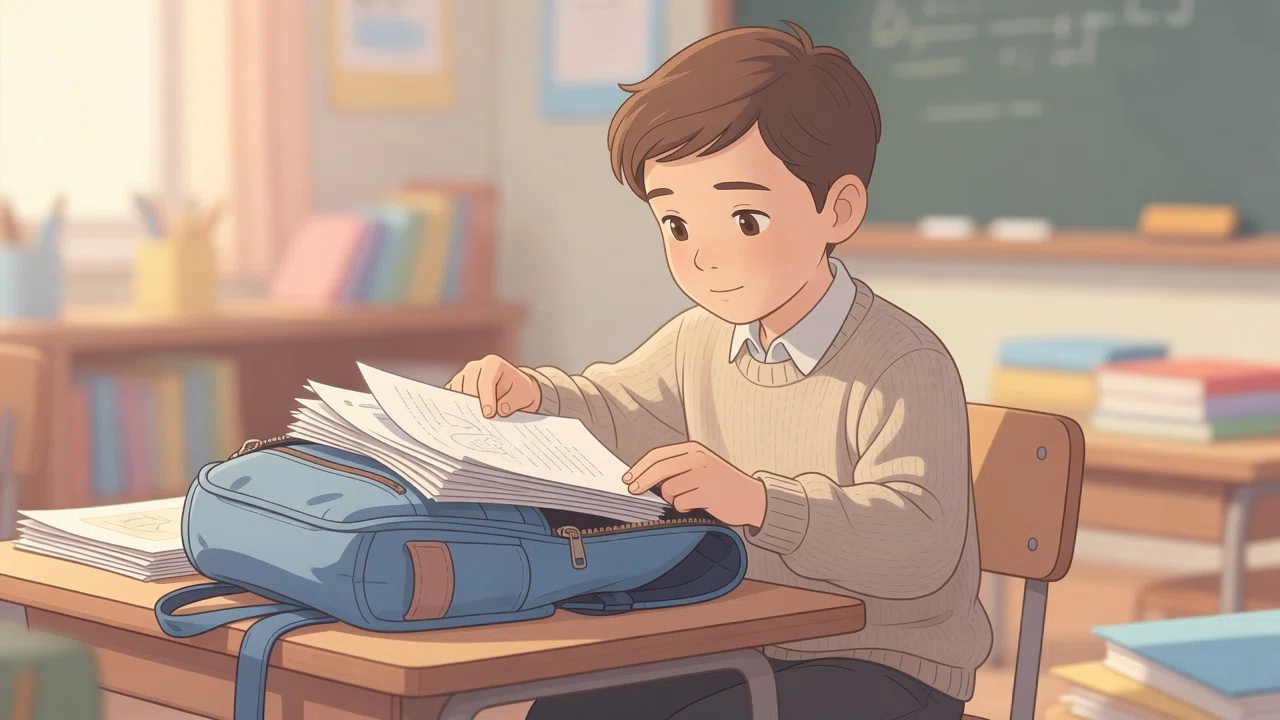
Many children remember school papers only after they have started a snack or screen time. Make a brief backpack check the first stop after arriving home. Your child takes out folders, places notices in one home spot, and returns any completed item to the backpack. Then school is put away for the afternoon.
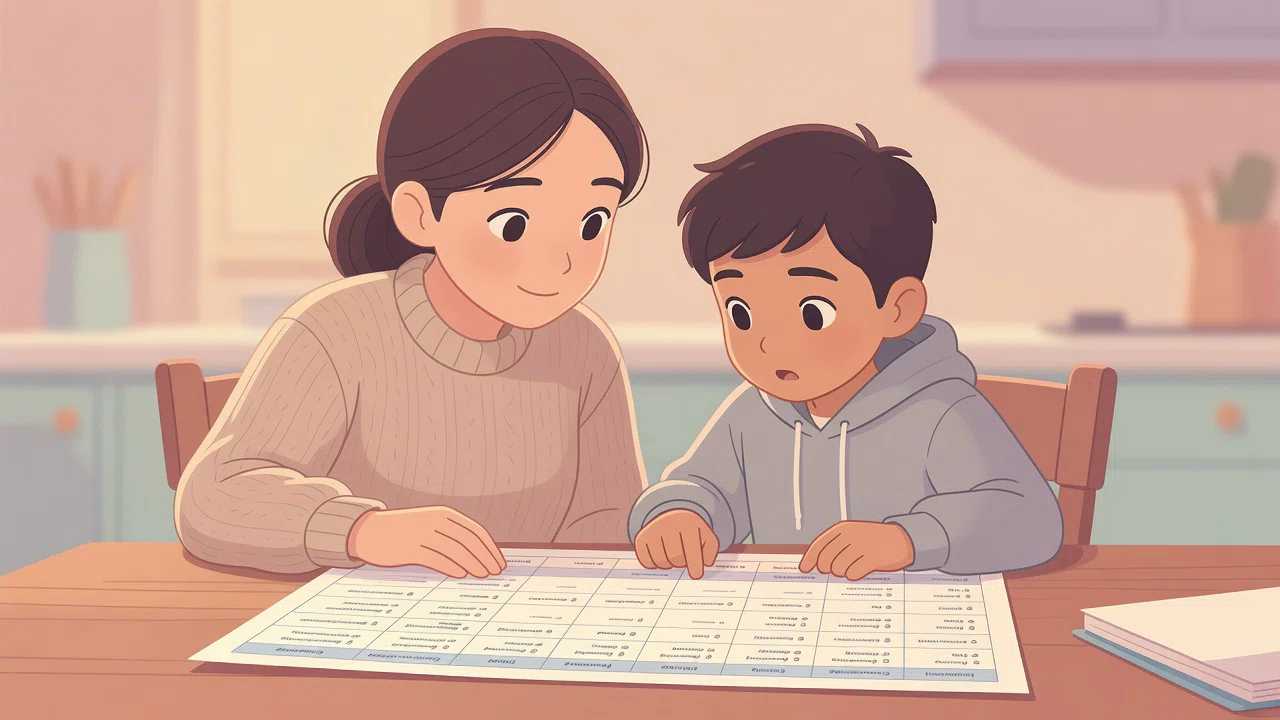
This routine is not a parent inspection. At first, sit nearby and ask what each paper is for. Over time, check only the system: "Did you do your backpack landing routine?" If a paper is missed, review what part of the system failed and let your child suggest an adjustment.
Teach the difference between trying and being stuck
An independent student needs permission to seek help. The useful distinction is not "handle it yourself" versus "tell an adult." It is knowing what to try first.
Practice a three-step script at home:
- Stop and look at the directions or materials again.
- Try one safe next step, such as checking the assignment board or asking a nearby classmate what page the class is on.
- Ask the teacher a specific question if the problem remains.
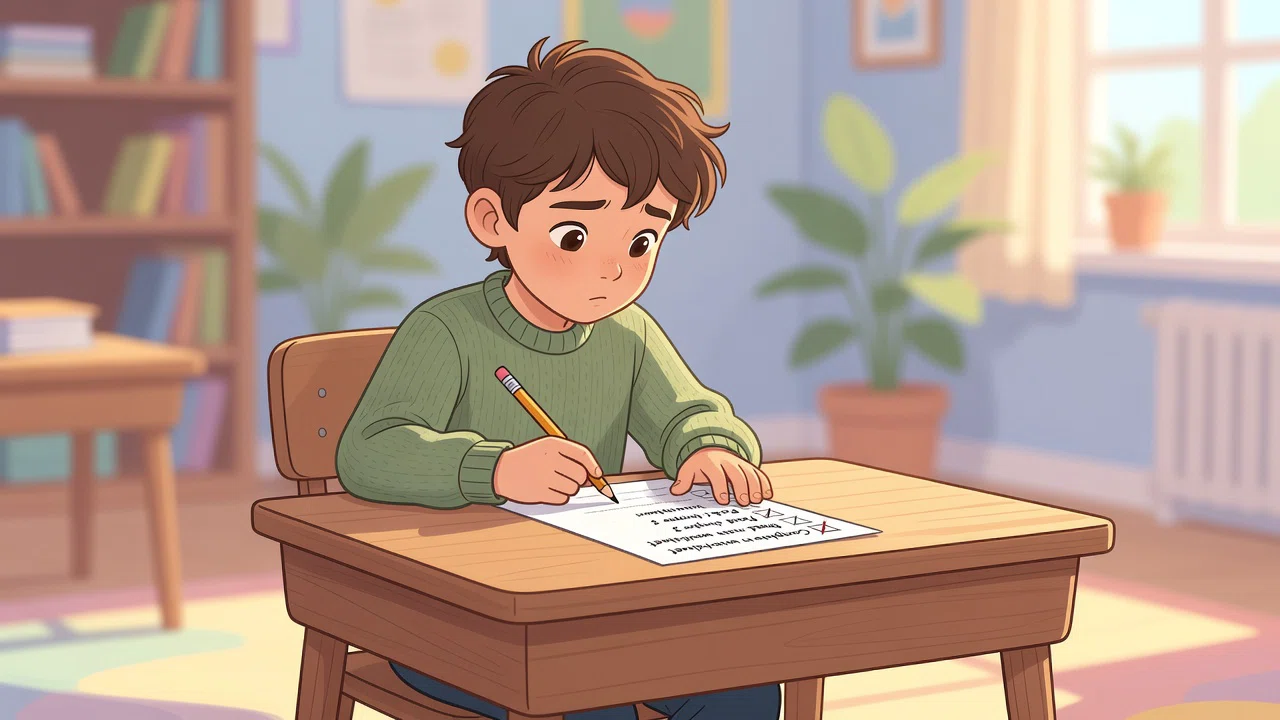
For example, instead of saying, "I do not get it," your child can say, "I read the first direction, but I am not sure which worksheet to use." Specific questions help teachers respond quickly and show your child that asking for help is part of doing the work.
Some situations should go straight to an adult: feeling unsafe, being hurt, repeated teasing, a major conflict, or not knowing where to go. Explain these plainly. Independence does not mean carrying a problem that belongs with a teacher or caregiver.
Rehearse school problem-solving without a lecture
Use low-stakes moments to role-play common situations. Ask, "What could you do if your pencil breaks during writing?" Let your child name two possible choices. You might practice borrowing a pencil, raising a hand, or using a classroom supply station. Do the same for a forgotten folder, a confusing instruction, or a seatmate who will not share materials.
Keep the conversation curious. "Which choice would let you get back to work fastest?" teaches the why behind a routine. It also leaves room for classroom rules that may differ from home.
Notice progress, then reduce reminders
Praise is most useful when it describes the action: "You checked your folder before snack and found the note," or "You asked a clear question when the directions were confusing." This tells your child what to repeat.
Once a routine works for a week or two, step back a little. Replace a verbal reminder with a written cue, then ask only after the usual time has passed. If the routine slips, return to the last successful level of support instead of adding a consequence.
Third grade is a good time to build trust in small, visible habits. When your child learns how to prepare materials, recover from a forgotten item, and ask a useful question, school independence becomes a practical skill they can carry into the next grade.