Safe Multiplayer Gaming for My 13-Year-Old
The Landscape of Summer Gaming
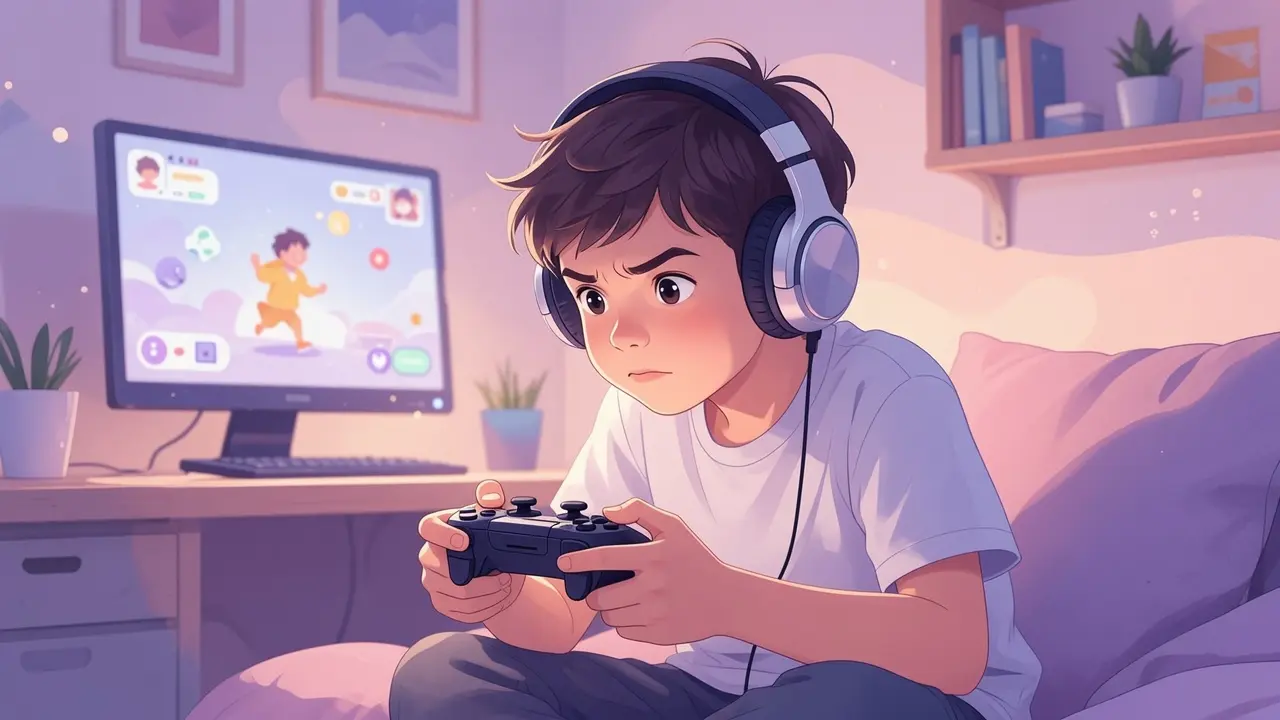
For a 13-year-old, long summer afternoons are often synonymous with multiplayer gaming. These platforms serve as primary social hubs where teenagers collaborate, compete, and interact with peers in real-time. However, the open nature of these environments requires parents to help their child navigate the risks of uncontrolled social interactions. The goal is to move from passive acceptance of these risks to an active, informed approach that prioritizes the child’s security and social wellbeing.
Establishing Communication Boundaries
The most significant risks in multiplayer gaming often stem from unmoderated voice and text chat features. At 13, the desire for social connection can lead a teenager to ignore red flags in communication. Start by discussing the importance of keeping interactions within established peer groups. Encourage them to disable public chat features when playing with strangers or to restrict voice communication to friends they know personally. This simple step significantly reduces the likelihood of encountering abusive language or predatory behavior.
The Role of Privacy and Profile Settings
Gaming platforms allow for various levels of privacy. Conduct a thorough review of your child’s gaming accounts with them. Ensure that their display names are not revealing personal information, such as their school, location, or full name. Verify that friend requests are restricted and that their activity status is set to private. These technical barriers are essential for preventing unwanted contact and maintaining a focus on the game itself rather than the broader, public social environment.
Navigating Social Pressure and Conflict
Competitive games often elicit intense emotional reactions. If your 13-year-old struggles with frustration or pressure from peers to play for extended periods, guide them toward recognizing the signs of fatigue or negative emotional states. Frame the discussion around observable consequences: If you feel angry after a match, take a break. If a friend is making you feel uncomfortable, leave the game. This approach treats your child as the active agent in their own digital experience, empowering them to step away when the environment becomes toxic or overly demanding.
Collaborative Problem Solving
When challenges arise, such as a disagreement within a gaming group or exposure to inappropriate content, move away from reactive punishment. Instead, use these incidents to facilitate a conversation about digital safety and behavior. Ask your child to explain the context of the incident and what choices they made. This helps them understand that their actions, and the choices they make when interacting with others, have direct consequences. By focusing on the logic of their choices rather than moralizing their behavior, you help them gain the maturity required for healthy gaming.
Developing Long-Term Habits
Safe gaming is about consistency. As the summer progresses, discuss their gaming experiences periodically. Ask them how they manage their interactions and whether they feel in control of their gaming sessions. By treating multiplayer gaming as a skill-based activity that requires intentional management, you provide your 13-year-old with the competence to navigate these spaces safely. This foundation will serve them throughout their teenage years, allowing them to participate in online communities while maintaining a healthy sense of personal boundaries and digital wellbeing.