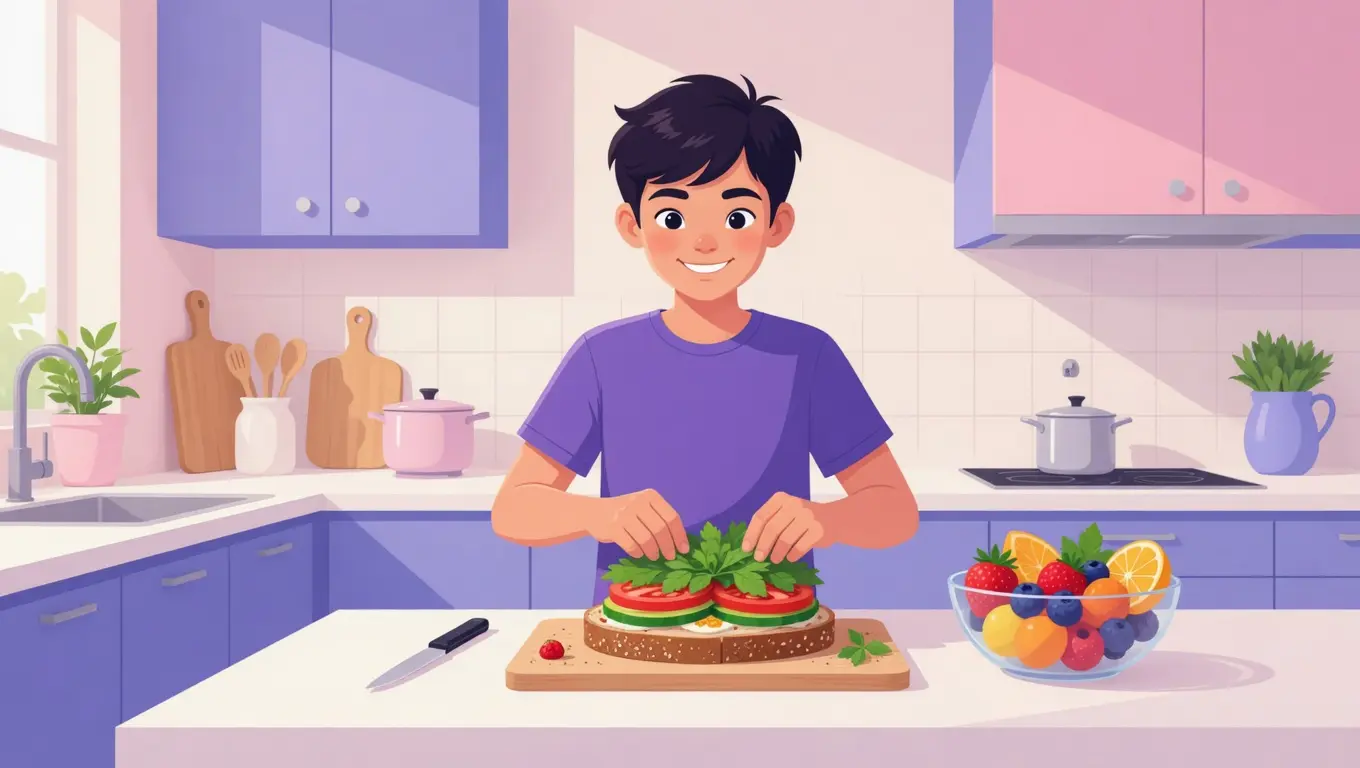

Teaching Your 10-Year-Old to Cook Basic Lunches
The Transition to Kitchen Independence
Ten is an age of increasing physical coordination and cognitive ability, making it the perfect time to introduce basic culinary independence. Preparing a simple lunch is a structured, logical process that allows a child to apply sequential thinking and safety awareness in a real-world setting. Rather than viewing the kitchen as a restricted zone, treat it as a workspace for your child to learn the mechanics of meal preparation.
Establishing Safety and Core Competencies
Start by focusing on foundational safety. Do not assume your child understands the dangers of heat, knives, or cross-contamination. Explicitly demonstrate these hazards using a cause-and-effect framework. Instead of stating vague rules, show the direct result of using a dull versus a sharp knife or explain why hands must be washed before and after touching raw ingredients.
Create a list of tools that are off-limits until specific competencies are met. For a 10-year-old, this might mean learning to use a dull serrated knife for fruits before graduating to a chef's knife for vegetables. Keep kitchen rules practical: always pull back long hair, keep water away from electrical appliances, and ensure burners are off after use. By focusing on observable safety practices, you build a shared language of kitchen conduct.
Designing Simple, Scalable Recipes
Focus on meals that follow a reliable, repeatable pattern. A cold assembly lunch like a turkey sandwich or a salad is an ideal starting point. As your child masters these, introduce simple heat-based tasks, such as heating soup or preparing scrambled eggs. Provide a printed recipe card for each task that details both the steps and the required cleanup.
Break each meal into clear components: planning, preparation, and cleaning. If your child struggles to follow the recipe, discuss why. Was the sequence confusing? Did they lose track of the steps? Use these moments to refine their process rather than correcting them. The goal is for the child to own the entire cycle, from gathering ingredients to wiping down the counter.
Logical Problem-Solving in the Kitchen
When challenges arise, such as a burnt piece of toast or a spilled beverage, use the situation as a diagnostic exercise. Avoid shaming the error. Instead, ask questions to help your child identify the root cause. If the toast burned, was it left in the toaster too long? If the ingredients were missing, how can the plan be adjusted for next time? By treating kitchen errors as predictable outcomes of a specific action, you provide the child with an objective tool for improvement.
Supporting Long-Term Autonomy
Once your 10-year-old demonstrates consistent safety and reliability, step back and let them lead. Allow them to suggest a lunch menu within defined constraints, such as available ingredients or nutritional balance. This shift from following your lead to making their own choices is the essence of competence. By the end of the summer, they should be able to navigate a kitchen with confidence, knowing they have the skills to feed themselves reliably and safely.