Teaching your 11-year-old to make safe lunches
Moving toward kitchen autonomy
At 11 years old, your child is developing the fine motor skills and cognitive maturity required to manage basic food preparation. The goal is not advanced culinary skill, but rather the ability to consistently assemble a safe and healthy lunch while home alone or during family downtime. This process provides a tangible way to demonstrate reliability and self-sufficiency.
Establishing safety ground rules
Before allowing unsupervised kitchen access, establish clear protocols. At this age, children should understand how to handle kitchen equipment safely. Review the proper use of common tools: the blunt-edge knife for cutting fruit, the toaster for bread, and the microwave for heating leftovers. Demonstrate each step, then ask your child to explain the safety logic behind their actions. For example, why is it important to keep handles turned inward on the stove? Why do we use a dry towel when handling hot items? These questions reinforce critical thinking about potential hazards.
Building a lunch preparation repertoire
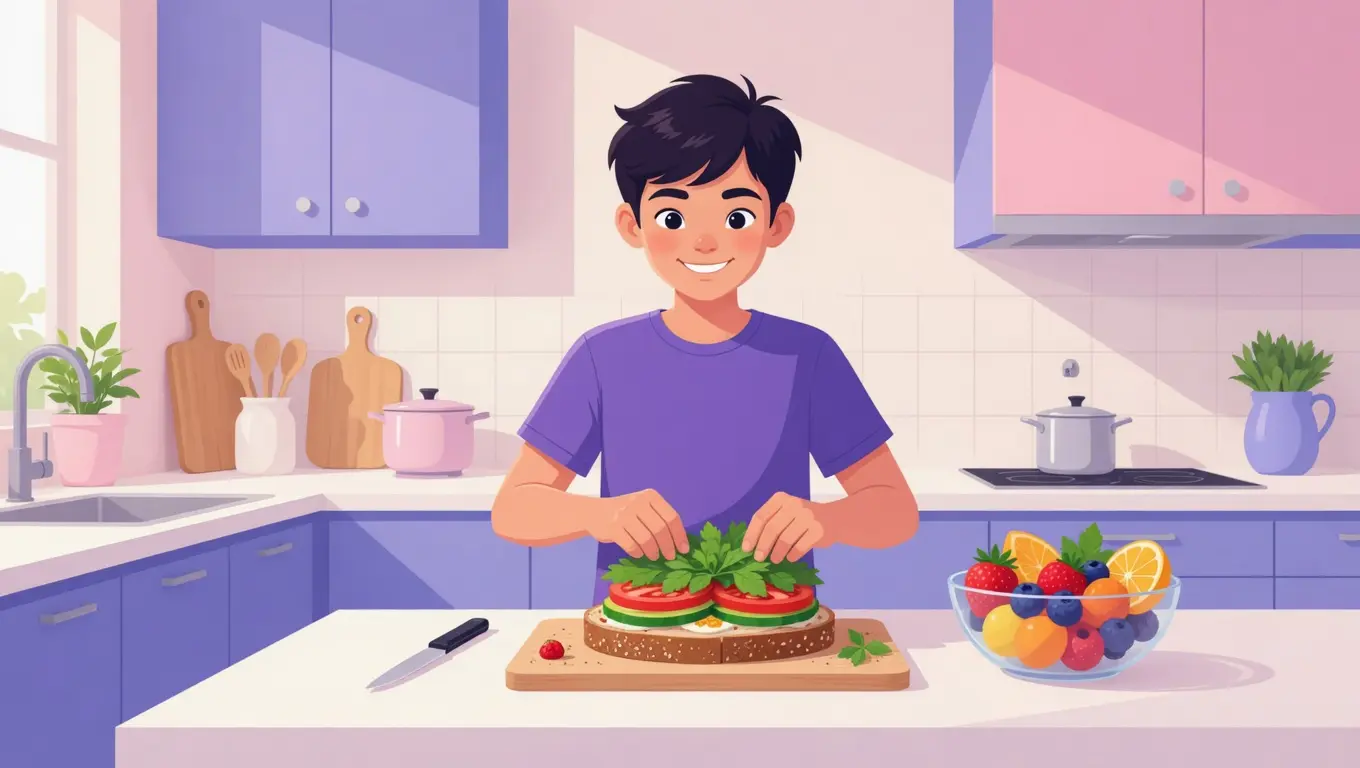
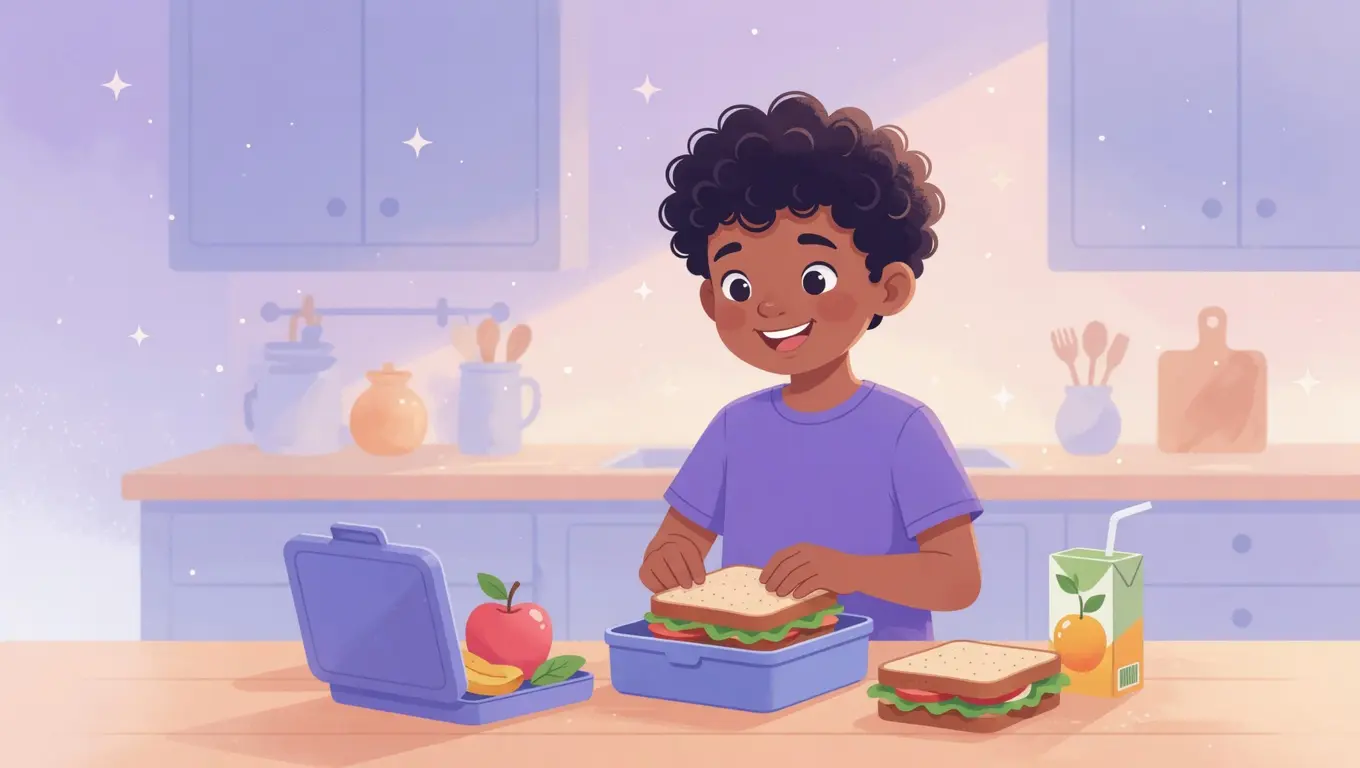
Limit the initial scope to three or four repeatable recipes. Focus on meals that require minimal heat and simple assembly. Examples include cold pasta salads, turkey wraps with pre-sliced vegetables, or yogurt bowls with granola and berries. Keep these ingredients accessible in a designated section of the refrigerator. When the child knows exactly where to find the components, the barrier to initiating the task is significantly lowered. Practice these recipes together several times until your child can manage the sequence of assembly without your guidance.
The concept of kitchen hygiene
Hygiene is an integral part of kitchen safety. Help your 11-year-old develop a standard operating procedure for every meal. This includes washing their hands before starting, rinsing produce thoroughly, and cleaning their workspace immediately after assembly. Create a simple checklist of cleaning tasks that must be completed before they sit down to eat. This consistency teaches them that the privilege of using the kitchen comes with the responsibility of maintaining it.
Managing leftovers and food storage
Lunch preparation also includes clearing away what is not eaten. Teach them how to properly seal food containers and return items to the refrigerator. An 11-year-old should be able to identify if a food item is nearing its expiration or if a container needs to be washed. This adds a layer of food safety knowledge that is vital for independent living.
Assessing readiness through observation
When you feel your child is ready to start, try a staged transition. Be in the home but occupied in another room while they prepare a meal. Afterward, observe the kitchen's condition. Is the workspace clean? Were the tools put away? If these tasks are skipped, it indicates they are not yet ready for total autonomy. Offer constructive feedback and review the process again. As they prove they can manage the kitchen safely and cleanly, increase their independence in subsequent days. By mastering these basics, your child gains a lifelong skill while also contributing to their own daily routine.