Teaching Your 12-Year-Old to Cook Basic Lunches
Developing Kitchen Competence at 12
At 12 years old, your child is physically and cognitively ready to manage basic meal preparation. Moving beyond cold snacks to cooking simple lunches is a foundational step in their transition toward self-sufficiency. Rather than viewing this as another chore, treat it as an opportunity to build technical skills and practical problem-solving. Success depends on clear boundaries, specific safety protocols, and a gradual expansion of what they are allowed to prepare.
Establishing Kitchen Safety Protocols
Before allowing unsupervised kitchen use, audit your child’s understanding of safety basics. Do they know how to handle sharp knives? Can they operate the stove or microwave safely? Do not assume prior knowledge. Demonstrate the correct way to hold a knife, show them the proper usage of potholders, and explain exactly where the fire extinguisher is kept and how it functions.
Create a clear list of allowed activities. For instance, perhaps they can use the toaster oven and stovetop but are restricted from deep frying or using the blender without supervision. Having these boundaries established early reduces the likelihood of accidents and provides the child with the confidence of knowing exactly what is within their mandate.
The Recipe Framework Method
Twelve-year-olds often get overwhelmed by complex instructions. Instead of requiring them to follow intricate recipes, teach them flexible frameworks. For a basic lunch, this might mean a formula: one protein, one grain, and one vegetable.
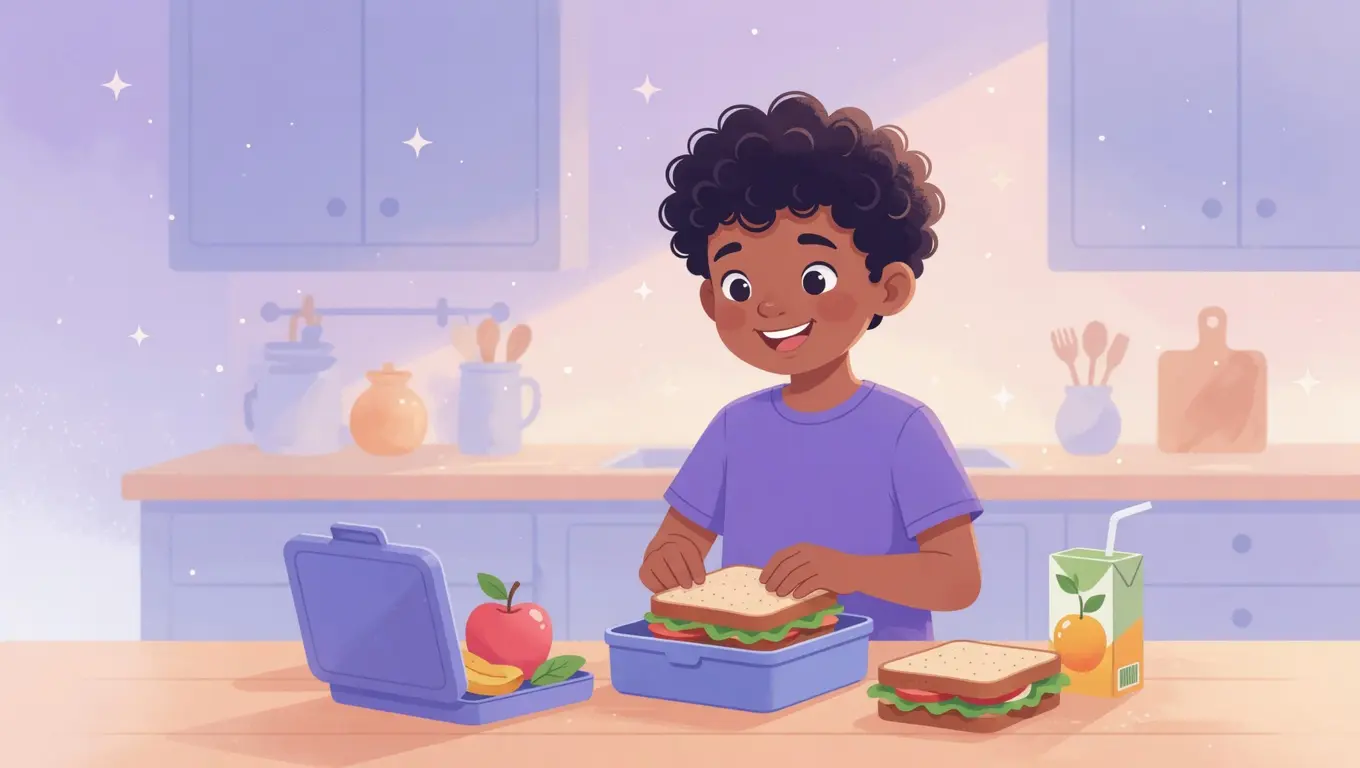
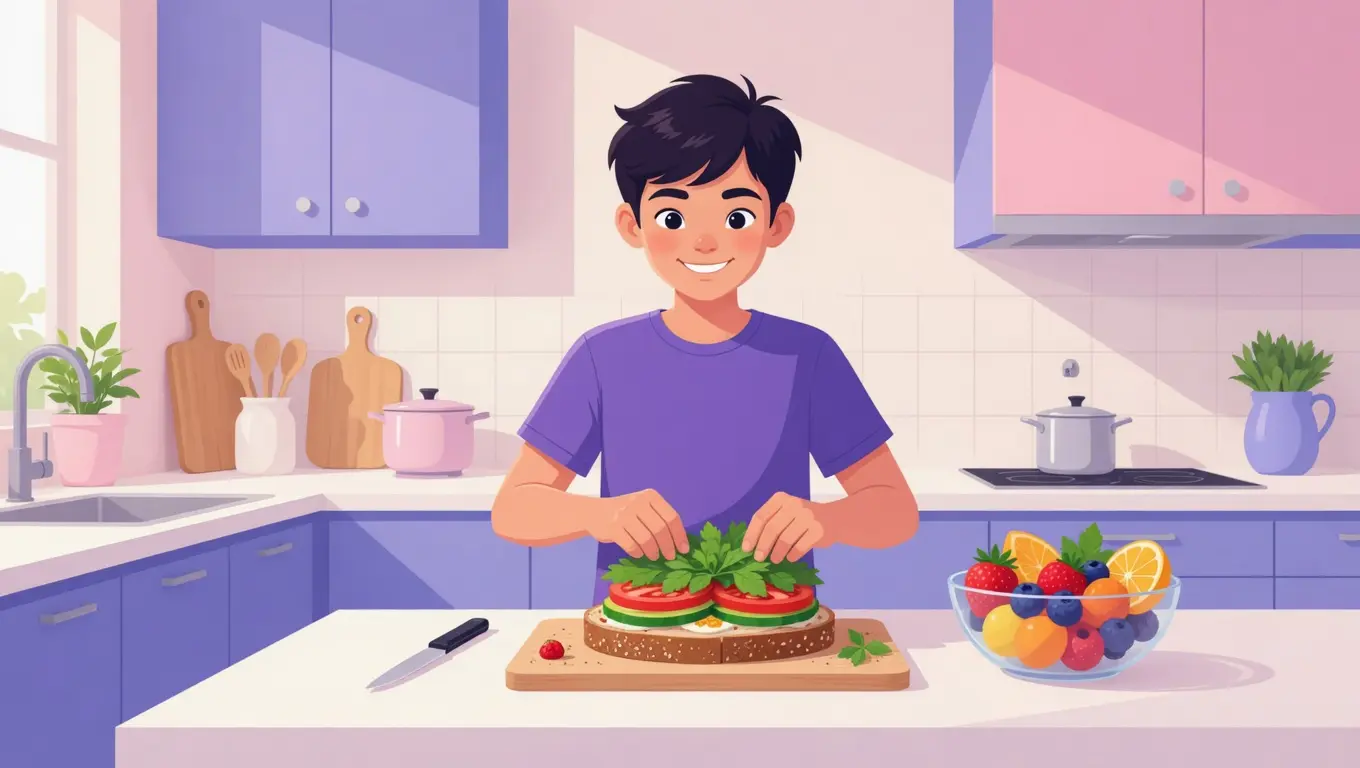
For example, they might prepare a quesadilla with cheese and beans, a turkey wrap with greens, or a bowl of pasta with pre-cooked chicken and steamed broccoli. When they master the formula, they can innovate within those bounds. Encourage them to experiment with ingredients they enjoy. This shift from rote following of a specific recipe to understanding the logic of a balanced meal builds true competence.
Managing Time and Kitchen Order
Kitchen skills are inseparable from cleanup. A 12-year-old should be expected to leave the kitchen in the same state they found it. This includes cleaning the workspace, washing the dishes they used, and returning ingredients to their storage spots.
If they struggle with the mess, discuss the impact on the household. Explain how a messy kitchen slows down dinner preparation for everyone. Ask them to identify which steps in their cooking process create the most clutter and how they might streamline their workflow to minimize it. This is a practical exercise in time management and organizational foresight.
Learning Through Success and Failure
If a lunch dish is burnt or poorly seasoned, avoid the urge to fix it for them. Use it as a moment for inquiry. Ask them: What happened? Was the heat too high? Did you misread the timing? When they discover the error through their own analysis, the lesson is far more durable than if you had simply lectured them on the process. Your role is to provide the safe environment and the necessary tools; their role is to refine their technique through discovery and trial.