Teaching Your 13-Year-Old to Cook Basic Lunches
Kitchen Competence for the 13-Year-Old
At 13, your child is developmentally ready to transition from a consumer of meals to a producer. Teaching them to prepare their own lunches is a foundational life skill that shifts the burden of planning and preparation from you to them. This is not about complex culinary technique but about functional independence, safety awareness, and nutritional self-regulation. By facilitating this shift, you provide them with a predictable, repeatable process for nourishing themselves during the day.
Establishing Kitchen Safety Standards
Before they begin independent cooking, ensure they understand the physical realities of the kitchen environment. Focus on clear, objective safety protocols. Show them how to use knives safely by maintaining a flat surface, how to operate the stove or microwave without risk, and how to handle hot surfaces using appropriate equipment. Instead of listing arbitrary rules, demonstrate the cause and effect of unsafe practices: how a dull knife requires more force and is more likely to slip, or why wet surfaces near electrical appliances pose a hazard. Test their understanding by having them demonstrate these techniques under your supervision until the habits are consistent.
Basic Meal Assembly Frameworks
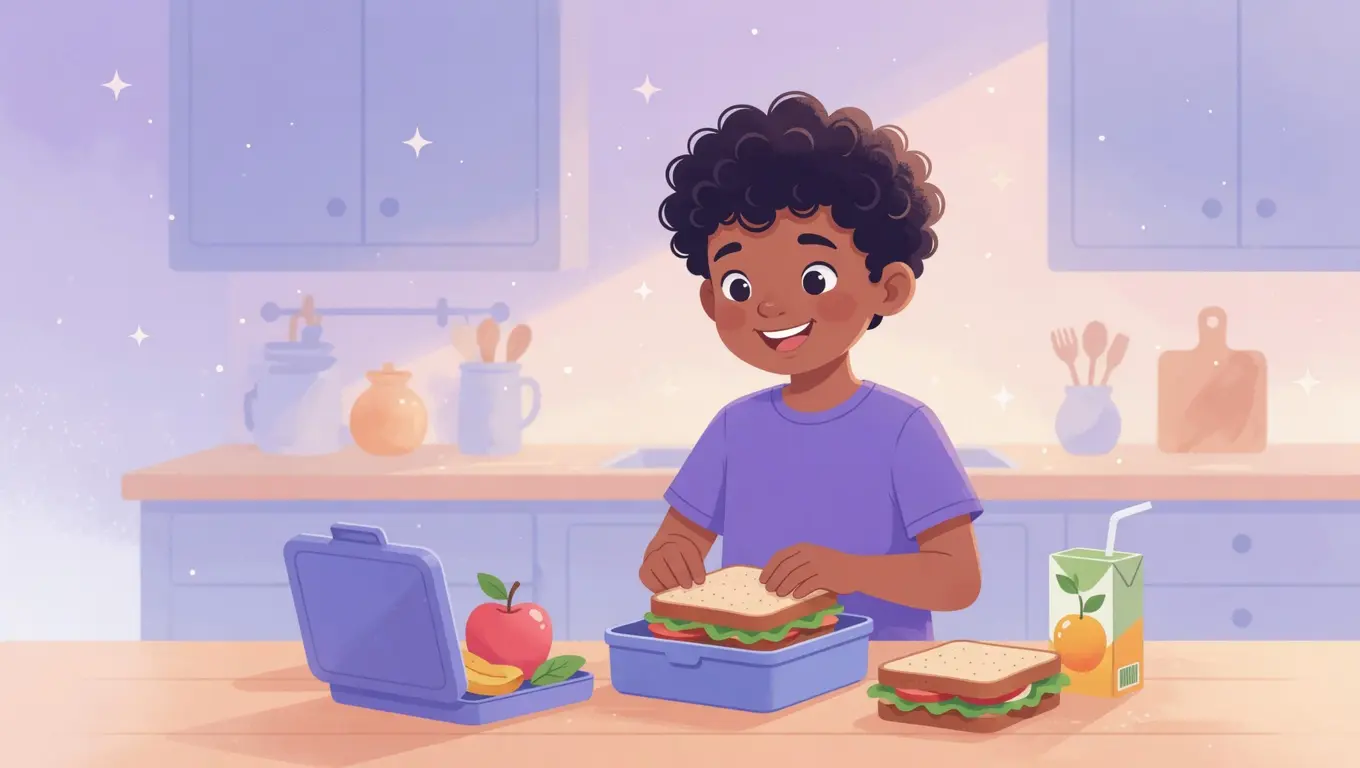
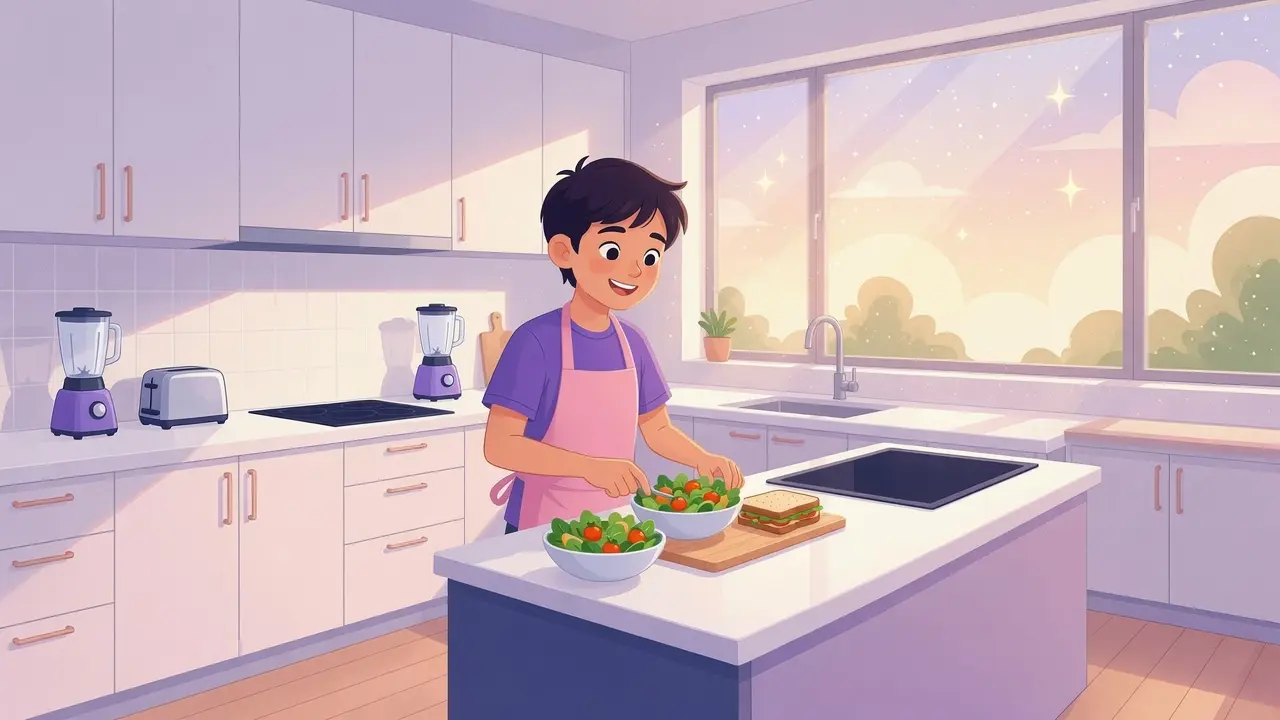
To make lunch preparation sustainable, teach your 13-year-old a modular assembly framework. A 13-year-old does not need a library of recipes. Instead, teach them to assemble components. A simple lunch might consist of a protein, a grain, and a vegetable. Provide a range of accessible ingredients in the refrigerator and pantry. Teach them to use a toaster oven to heat a wrap, how to scramble eggs, or how to assemble a turkey sandwich with fresh greens. By offering them a framework of options, you allow them to make choices based on their preferences while ensuring the meal remains balanced.
Planning and Inventory Management
Part of the process is learning to manage inventory. If they run out of bread or sandwich meat, they learn that lunch becomes harder to assemble. Work with them to create a simple inventory list. Have them check the kitchen before you do your weekly shopping. If they request specific items, ensure they understand the cost and availability. This teaches them the logistical side of meal preparation, helping them understand that food does not magically appear in the pantry but requires planning and procurement.
The Logic of Cleanup
Cleanup is often the point where independent cooking breaks down. Establish the principle that the meal is not complete until the workspace is restored to its original state. Define the requirements clearly: dishes washed or loaded into the dishwasher, surfaces wiped clean of crumbs or spills, and perishable items returned to the refrigerator. If they leave a mess, they have not completed the task. Address this immediately by requiring them to finish the cleanup process before engaging in other activities. This links the reward of a finished meal to the responsibility of maintaining the environment.
Problem Solving and Adaptation
Encourage your 13-year-old to solve common problems independently. If they burn the toast, do not step in. Ask them to evaluate what went wrong. Did they use too high a heat setting? Was the bread left in too long? This shifts the focus from the mistake to the underlying cause. Similarly, if they lack an ingredient, encourage them to find a substitute or decide if they can proceed without it. This builds the capacity for improvisation and critical thinking, helping them navigate the small uncertainties that arise during any independent task.
Conclusion
By teaching your 13-year-old to cook basic, safe lunches, you foster a sense of autonomy that extends beyond the kitchen. This process requires patience and clear, objective guidance. As they become more consistent, your involvement will naturally decrease, leaving them with the practical skills and the confidence to manage their own needs during the day.