
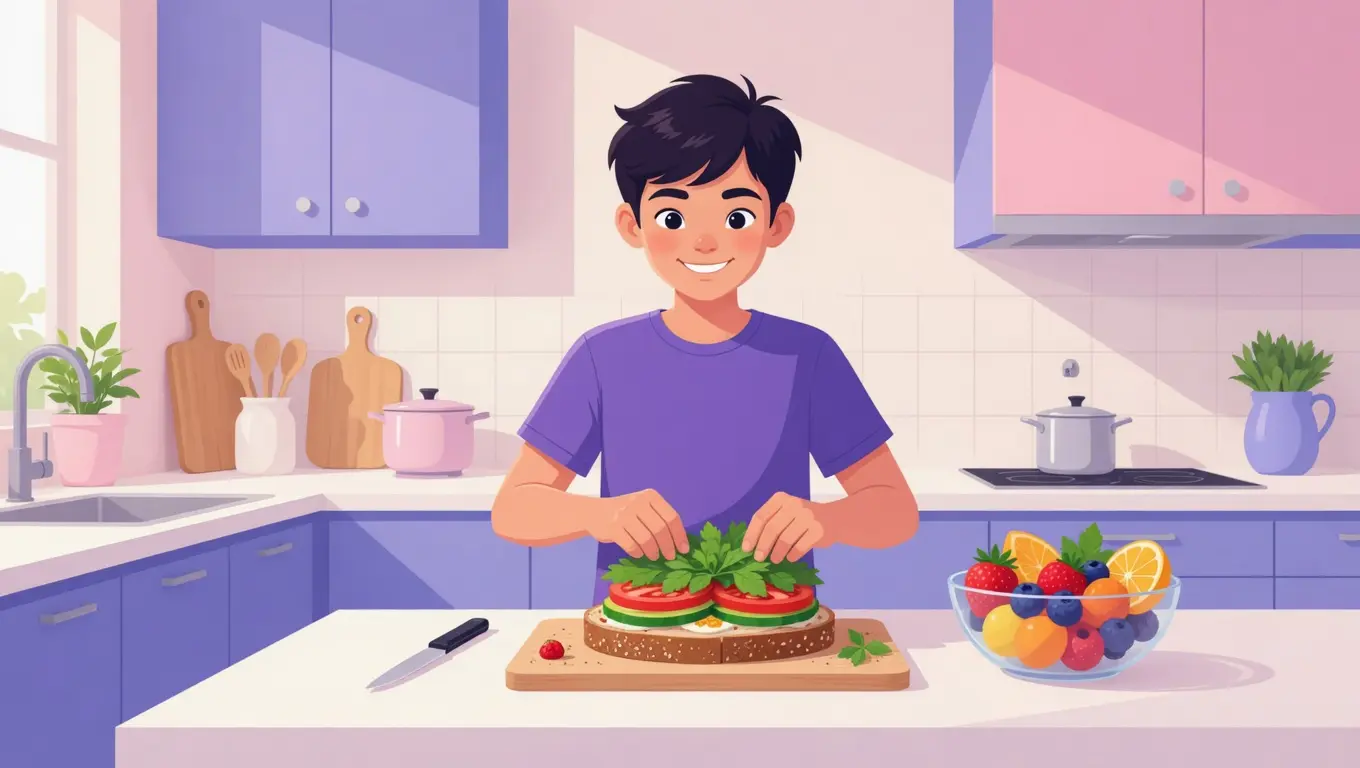
Teaching Your 14-Year-Old to Cook Basic Lunches
Developing Kitchen Competence at 14
At 14, teenagers possess the motor skills and cognitive maturity required to master basic culinary tasks. While many parents still manage midday meals, summer provides a window to transition this responsibility to the teenager. This shift is not just about convenience; it is about building a foundation of self-reliance and understanding the logistics of nutrition and safety.
Understanding the Mechanics of Kitchen Safety
Before allowing a 14-year-old to manage their own lunch preparation, establish a clear framework for safety. This involves more than simple supervision; it requires a deep understanding of why certain practices are necessary. Focus on three critical areas: equipment handling, sanitation, and heat management.
Equipment Mastery
Assess their comfort level with basic kitchen tools. Can they use a knife safely to slice vegetables? Do they understand how to operate a stovetop or microwave without creating fire hazards? Spend time walking through these mechanics together. Demonstrate proper cutting techniques and explain the logic behind using specific tools for specific tasks. For example, explain why using a sharp knife is safer than a dull one, and why maintaining a clean workspace prevents cross-contamination.
Sanitation and Storage
Understanding food-borne illness is a foundational skill. Explain the logic of refrigerator temperatures, expiration dates, and the risks associated with leaving perishable items on the counter. Teach them how to properly store leftovers and why washing hands before and after preparation is non-negotiable. By treating these as logical protocols rather than arbitrary rules, you help them internalize these practices.
Practical Steps for Independent Lunches
Start by providing a set of flexible, reliable recipes. Avoid overly complex meals that require constant attention. Focus on dishes that utilize basic preparation techniques, such as assembling healthy salads, preparing wraps, or using the stovetop for quick dishes like scrambled eggs or sautéed greens.
Create a pantry and refrigerator inventory that allows for choice. When a teenager has access to a variety of ingredients, they are more likely to engage with the creative process of meal assembly. Allow them to suggest menu items and help them evaluate the nutritional value of their choices. This collaboration empowers them to make decisions based on both preference and health.
Navigating the Learning Curve
Expect challenges. They may overcook something, spill ingredients, or simply struggle to manage their time effectively. Use these moments as learning opportunities. Instead of critiquing the result, discuss the process. Ask what part of the cooking or planning was the most difficult and what adjustments they might make next time. This feedback loop is essential for building real competence.
By systematically transferring the responsibility for their lunch, you equip your teenager with a vital life skill. They gain a practical understanding of how to sustain themselves and manage their environment, transitioning from passive consumers of meals to active, capable contributors to their own health and well-being.