Auditing App Privacy for a 14-Year-Old Before Sleepovers
The Intersection of Summer Socializing and Data Privacy
Summer sleepovers are a rite of passage for a 14-year-old. Amid the excitement of late-night movies and peer interaction, digital safety often takes a backseat. However, these social gatherings frequently involve sharing devices, downloading new group-focused apps, and connecting to various Wi-Fi networks. Proactively auditing app privacy settings with your teenager ensures they understand what information they share and with whom.
Why 14-Year-Olds Need to Understand Privacy
At fourteen, teenagers are forming their digital identity. They are often less concerned with data harvesting and more focused on social validation. If they download a new app to stay connected during a sleepover, they might blindly agree to extensive data permissions. Framing this as a logical exercise in control, rather than a moralizing lecture, empowers them to make informed choices that protect their digital reputation.
A Systematic Approach to Auditing Settings
Sit down with your teenager before they leave for their next sleepover to walk through these concrete steps:
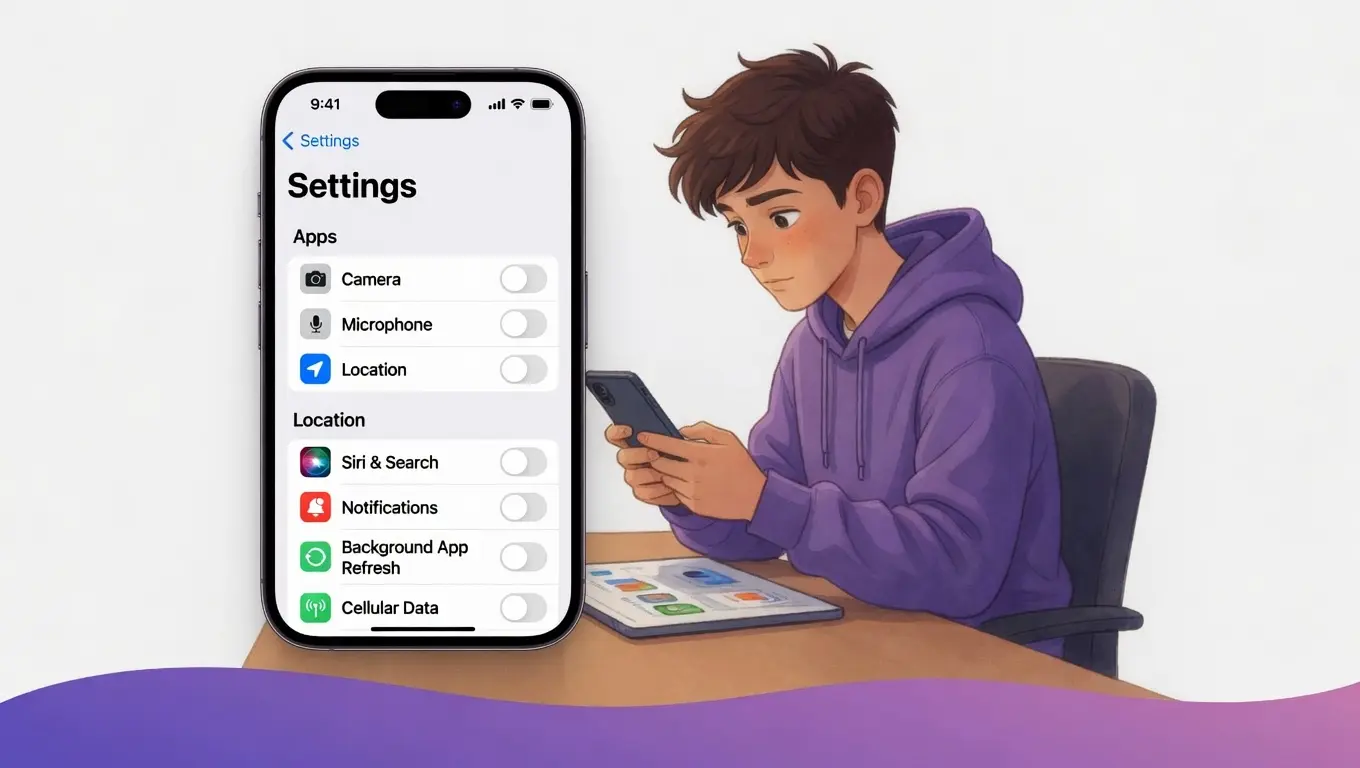
- Review Location Services: Check the location permissions for every app on their device. Does a photo editing app really need constant access to their location? Set these to 'While Using' or 'Never' for non-essential applications.
- Audit Third-Party Logins: Many apps allow users to sign in with social media accounts. Discuss the implications of this, as it links data across platforms. Where possible, use unique, separate credentials.
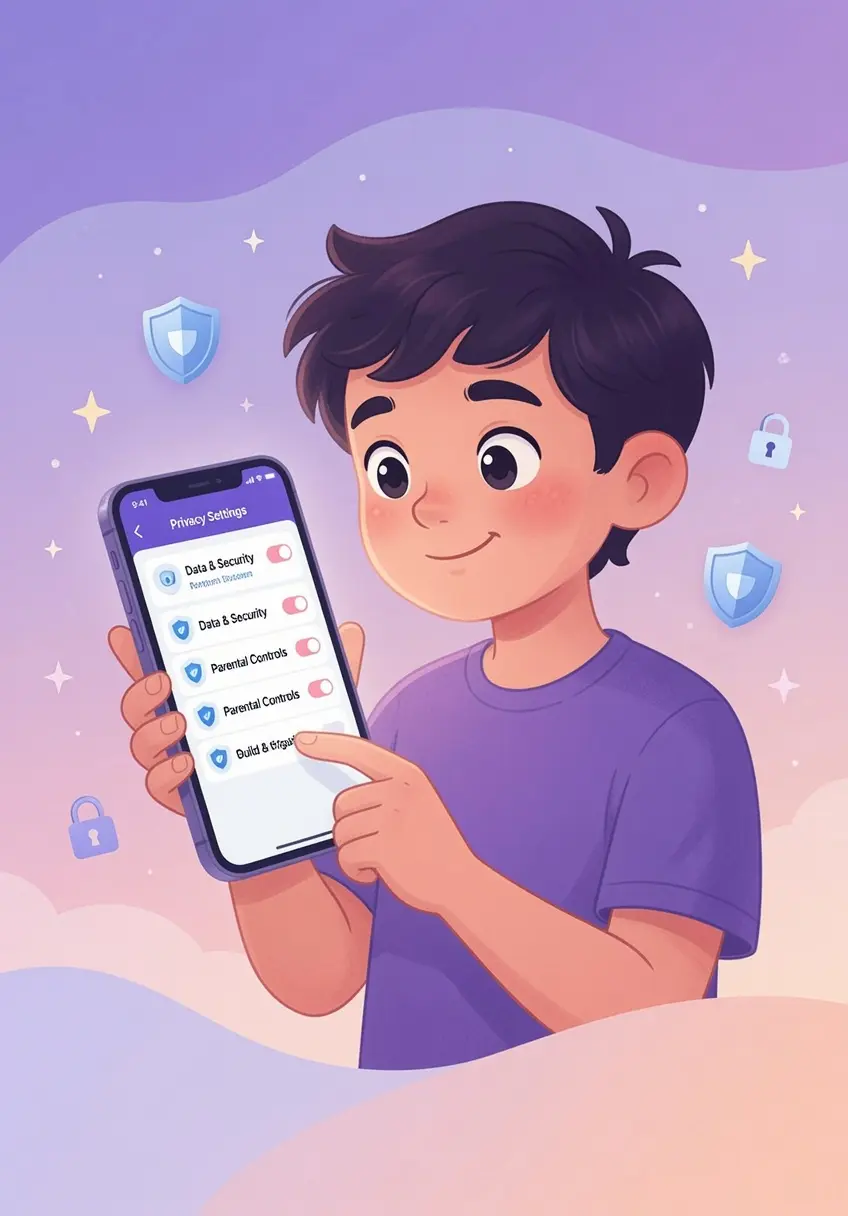
- Examine Data Sharing Toggles: Look at the privacy menu in their most frequently used social apps. Disable 'Discoverable by contact' or 'Sync contacts' if they are not necessary for the app to function. This limits the data that third-party servers can scrape from their phone.
- Screen Time and Restriction Limits: Revisit the built-in parental controls. Ensure they are aligned with your family expectations for content filters, as sleepovers can occasionally lead to exposure to age-inappropriate content if left unmonitored.
Addressing Real-World Scenarios
Your 14-year-old might find this process tedious. Acknowledge that, but explain the cause-and-effect relationship. An app that collects excessive data can lead to intrusive advertising or a compromise in personal information if the app's database is breached. Frame it as a technical housekeeping task, like cleaning their bedroom, rather than an intrusion into their personal life.
Handling Group Apps
Often, teenagers will suggest downloading a popular new app because 'everyone at the sleepover is using it.' Instead of an immediate veto, use this as an opportunity to review the app's privacy policy together. Look for what information it collects and who it shares that data with. If the app is intrusive, propose an alternative that respects their privacy.
Managing Wi-Fi Risks
Remind them that public or unfamiliar Wi-Fi networks present unique risks. While they cannot control the security of the host's router, they can ensure their device is not auto-joining every network in range. Teach them to manually select networks and avoid accessing banking or sensitive accounts while on a shared, unsecured connection.
A Collaborative Conclusion
Auditing app privacy settings is a foundational skill for digital adulthood. By involving your 14-year-old in this process, you are teaching them that their data is a personal asset that requires protection. This proactive approach ensures they can enjoy their summer sleepovers without compromising their digital safety or privacy.