
Building a Podcast Project for a 7th Grader
The Anatomy of Digital Storytelling
For a 7th grader, the process of creating a podcast is a masterclass in synthesis and structure. At thirteen, children are capable of evaluating different narrative angles, researching evidence to support their claims, and structuring arguments in a way that is engaging for an audience. Developing a podcast is not merely about speaking into a microphone. It is an exercise in planning, research, and technical execution that mirrors professional media creation.
Defining a Focused Project Scope
Parents often see the ambition for a grand project and worry about the scale. Help your 7th grader narrow their focus to something manageable for a summer break. Instead of an open-ended series, encourage them to create a limited-run project, such as a four-part interview series with neighborhood experts, a review podcast of classic literature, or a series exploring the history of a local landmark. This structure provides a clear beginning, middle, and end, which is essential for maintaining momentum during the summer months.
The Technical Discipline of Production
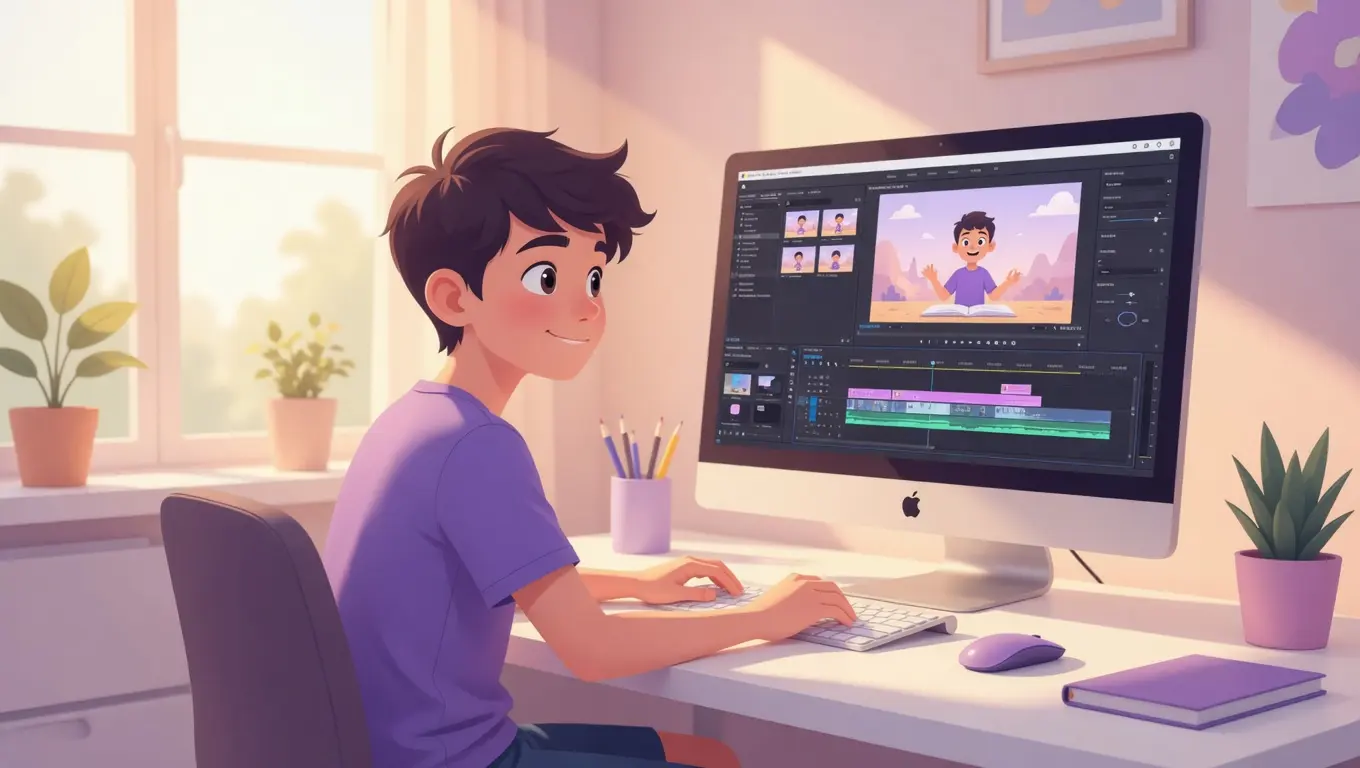
Podcast production involves several distinct phases: planning, scriptwriting, recording, and editing. Each phase requires a different set of skills. Use these phases to teach your child about project management. For example, have them create a production schedule for the summer. If they miss a recording deadline, treat it as a natural consequence rather than a failure of character. Ask them what caused the delay. Was it a lack of preparation? Did they underestimate the editing time? Analyzing these factors allows them to adjust their workflow for the next episode.
Ethical and Critical Communication
As your child interviews others or presents research, they encounter the need for ethical communication. If they are discussing a controversial topic, guide them through the importance of presenting balanced viewpoints and verifying their information. This is a prime opportunity for a 7th grader to practice evaluating sources. Ask them how they know their facts are accurate. This habit of skepticism and verification is the foundation of high-quality journalism and critical thinking.
Sustaining Iterative Growth
Consistency is the hardest part of any digital media project. When the initial excitement wanes, focus on the process rather than the download count. Help your child treat their podcast as an iterative project. After each episode, have them listen to their own work and note three specific areas for improvement, such as pacing, audio clarity, or the strength of their questions. By focusing on objective growth rather than vanity metrics, you teach your child the value of persistence and the importance of refining their craft through deliberate practice. They leave the summer not just with a completed project, but with a refined methodology for digital creation.