Turning Passive YouTube Watching Into Digital Creation
Moving Beyond the Consumption Loop
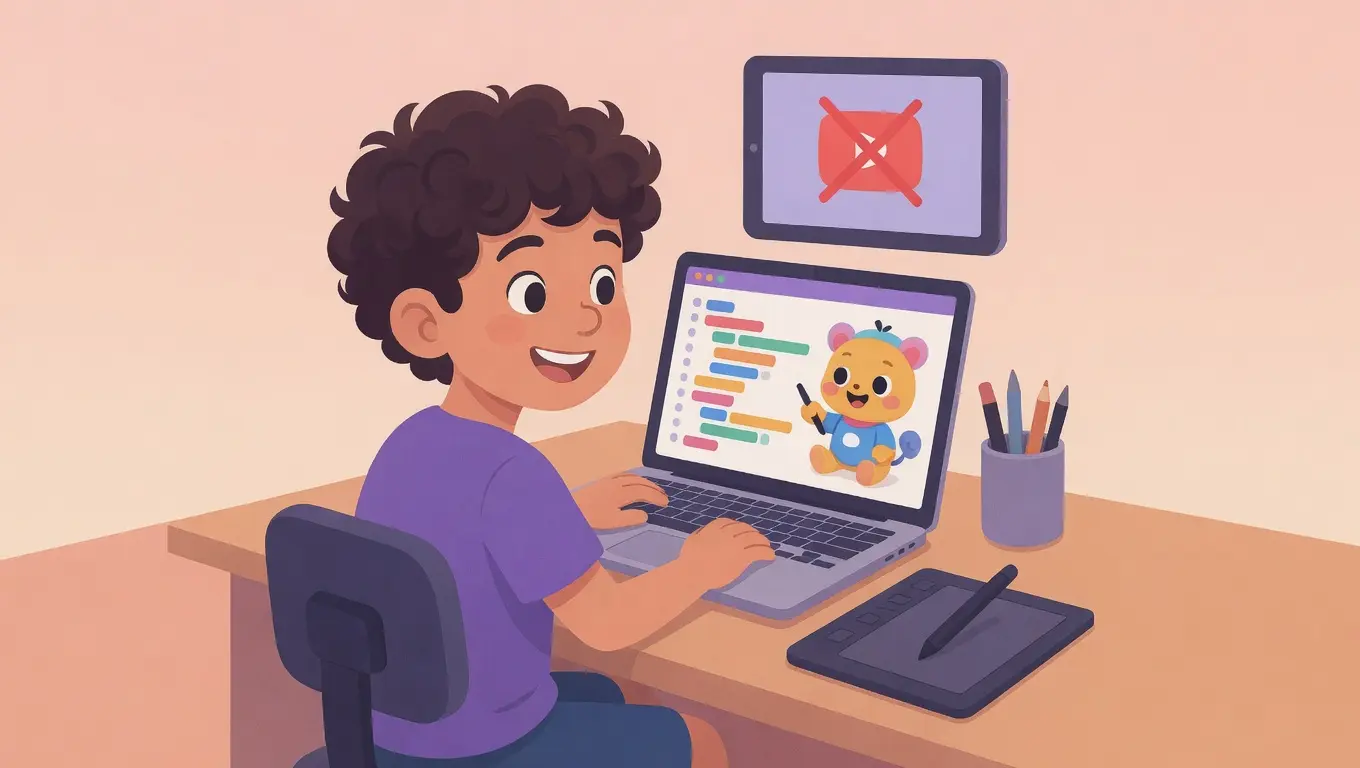
For many 14-year-olds, the allure of YouTube is not just the content but the endless, algorithm-driven stream that requires zero effort. Transitioning your teenager to active digital creation is an exercise in shifting their identity from spectator to producer. At fourteen, they have the cognitive capacity to understand narrative structure, editing software, and the ethics of digital publishing, but they often lack the initial push to start.
Understanding the Developmental Context
At this age, the teenage brain is wired for social feedback and peer recognition. Passive watching provides easy, low-stakes stimulation. Active creation, however, requires planning, patience, and the courage to potentially fail or receive critiques. The goal is not to force them to become influencers, but to help them master the tools that shape the information they consume.
Practical Steps to Encourage Creation
Shift the focus from what they are watching to how the content was made.
- Analyze the Edit: When watching a video together, ask specific questions about the pacing and editing. Why did the creator include that specific jump cut? What makes the intro engaging? This helps them view YouTube as a series of deliberate choices rather than magic.
- Start with Micro-Projects: Do not expect a polished documentary. Suggest they create a 30-second tutorial on a hobby they already enjoy, like a gaming tip or a quick cooking recipe. Keep the stakes low and the focus on the technical process.
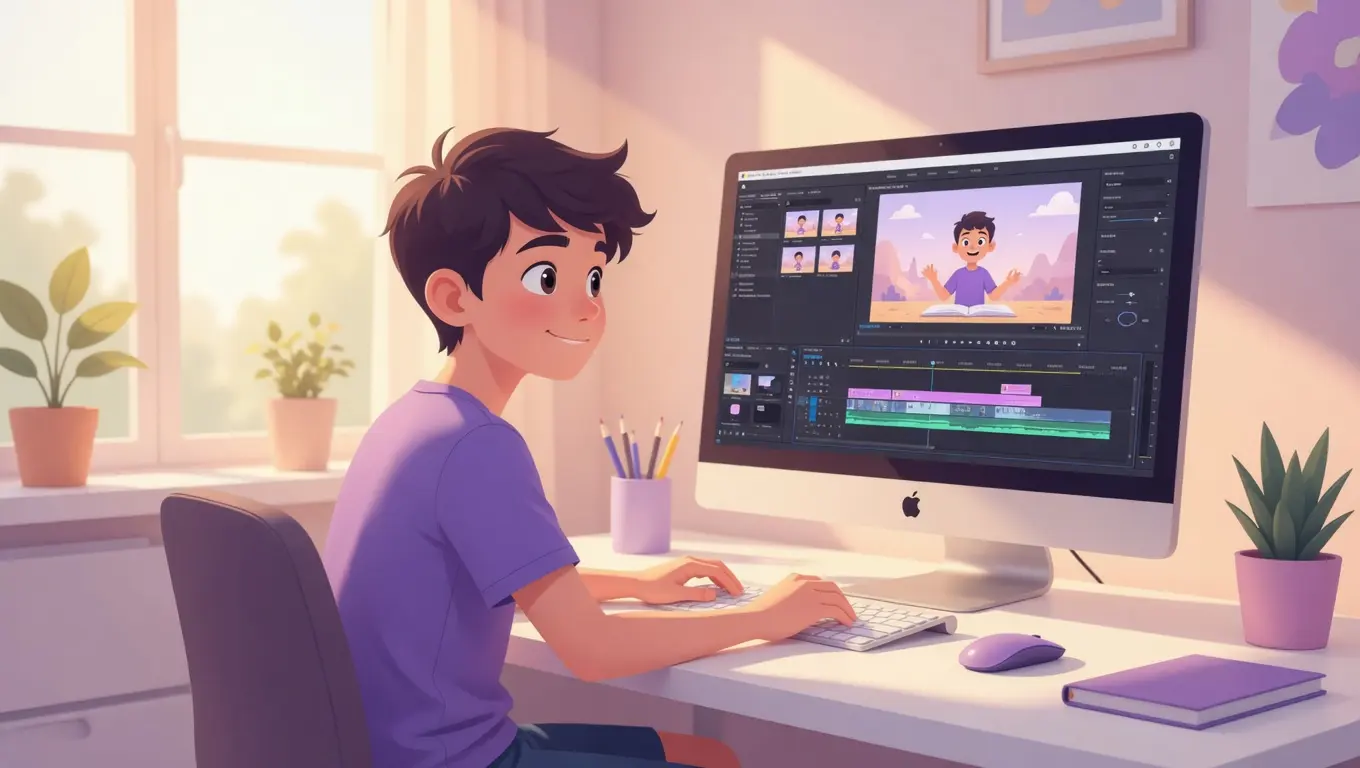
- Provide the Right Toolkit: Ensure they have access to functional editing software, even if it is free entry-level tools. If they express interest in music, encourage them to use digital audio workstations (DAWs) to create original sounds rather than just listening to existing tracks.
Navigating the Creative Process
Expect some friction. Your 14-year-old may find the learning curve of editing software frustrating. Frame this as a technical challenge rather than a reflection of their creativity. Help them troubleshoot the software or find tutorials for specific skills they want to develop.
Moving from Consumption to Contribution
Once they create something, invite them to share it in a controlled environment, perhaps with family or a small group of trusted friends. This allows them to experience the feedback loop of creation without the overwhelming pressures of the global internet. Discuss the nature of the feedback they receive. Was it constructive? What could they change in their next project?
Building Digital Literacy Through Production
By creating their own digital content, your teenager will naturally learn about copyright, fair use, and the ethics of digital production. They will see that content has an author, a motivation, and a technical process, making them more critical consumers of the content they find online.
A Collaborative Conclusion
Supporting your 14-year-old in this transition requires patience and a genuine interest in their creative process. By framing digital tools as instruments for expression rather than just vehicles for entertainment, you provide your teenager with a sense of agency that will serve them well beyond their formative years. Focus on the satisfaction of completing a project, and allow their creative confidence to grow through consistent, low-pressure practice.