Transitioning an 8-year-old to Active Digital Creation
Shifting the Digital Perspective
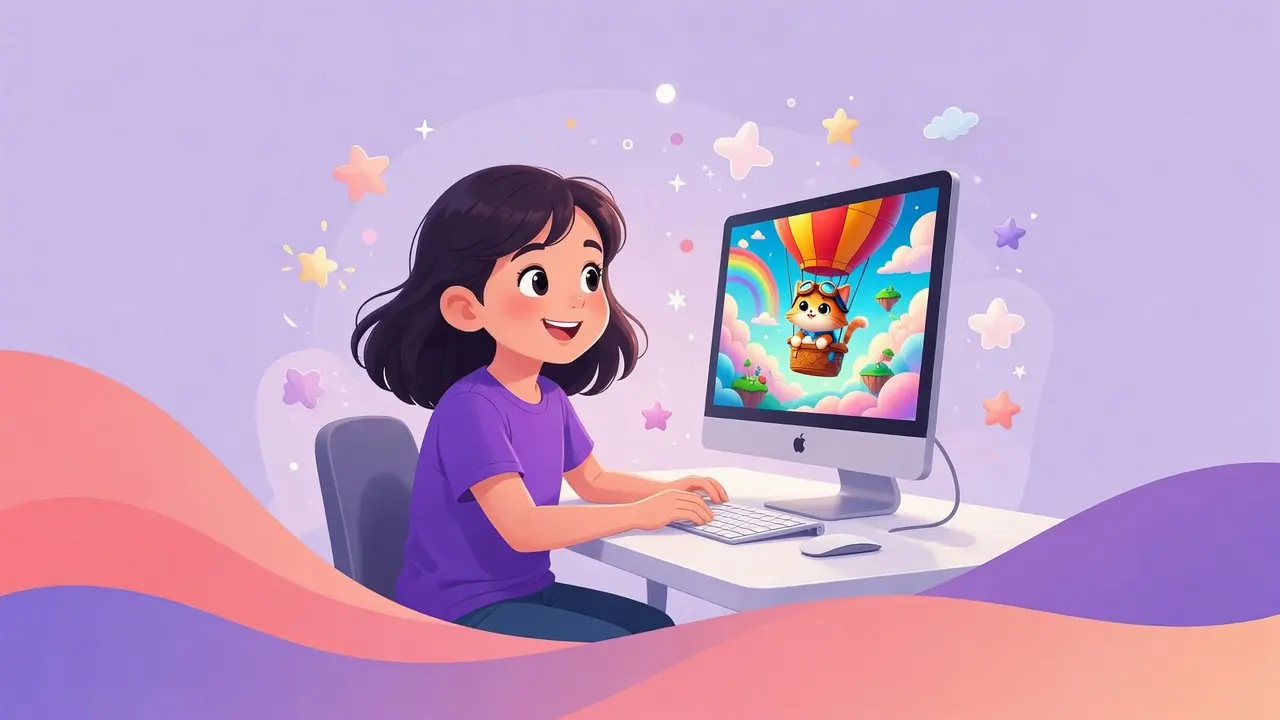
Many parents notice their 8-year-old spending significant time consuming passive content on YouTube. At this developmental stage, children are naturally curious and capable of understanding how digital tools function. Transitioning from passive watching to active creation allows them to move from being an audience member to being an author of their digital experiences. By shifting their focus toward building, you provide them with the agency to understand how software works.
Understanding the Why
Passive consumption often results in a cycle of mindless scrolling, which provides little satisfaction for an 8-year-old. When a child engages in creation, they encounter the logical constraints of the software they use. This helps them understand that technology is a medium for expression rather than just a source of endless entertainment. The goal is not to eliminate video platforms entirely, but to provide an alternative that rewards effort and planning.
Practical Entry Points for Creation
To move away from passive viewing, start with tools that are high in feedback but low in complexity. At age eight, children thrive when they see immediate results from their actions.
- Stop-Motion Animation: Use a simple tablet app to create short films using toys or building blocks. This teaches the basics of narrative structure and sequencing.
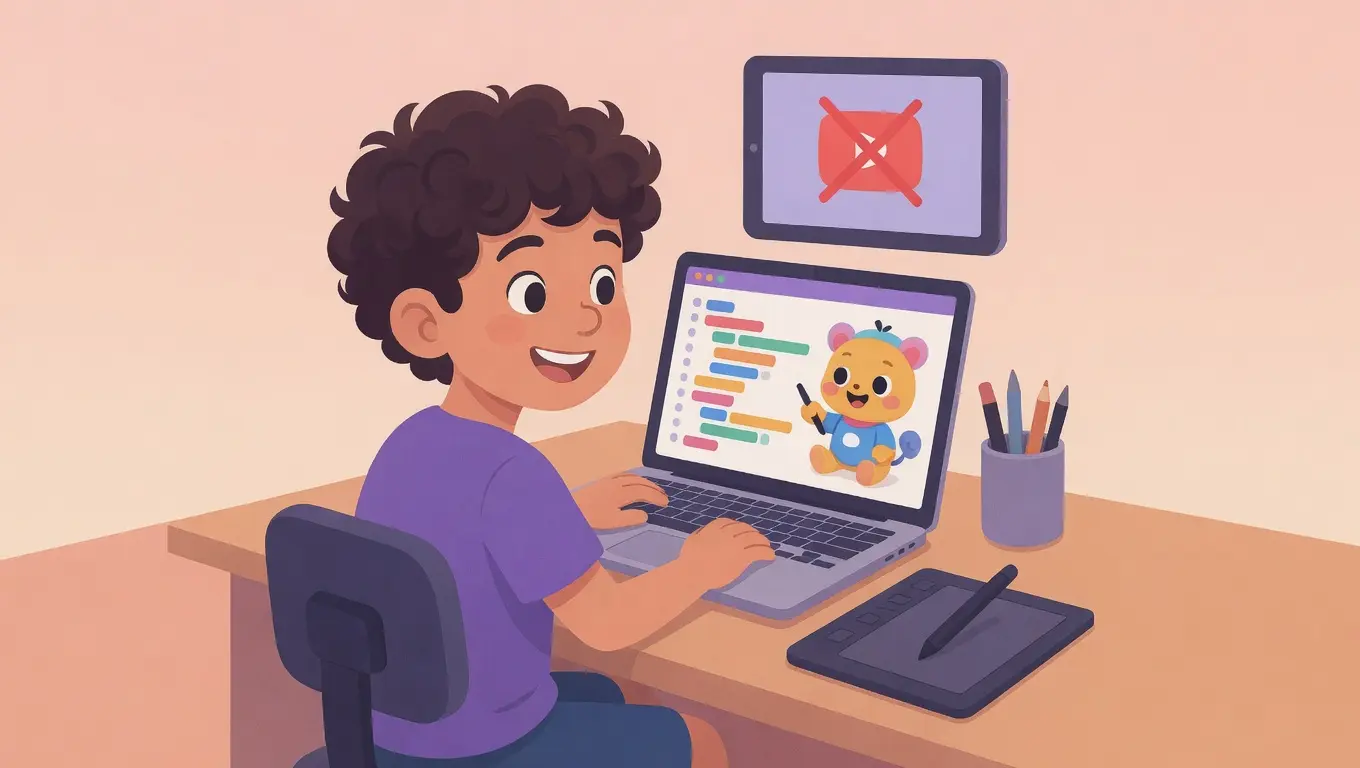
- Visual Coding: Utilize platforms that allow children to drag and drop code blocks to animate sprites or create simple games. This builds foundational logic skills without the frustration of complex syntax.
- Digital Art and Design: Instead of watching other people draw, provide them with a digital stylus and a canvas app. Challenge them to design a character for a story they are writing, encouraging them to think about character motivation and design elements.
Creating a Balanced Daily Plan
Structure is essential for an 8-year-old. When screen time is unstructured, passive consumption is the path of least resistance. Create a daily plan where the first thirty minutes of screen time are dedicated to creation, followed by a set period for other activities. This creates a logical flow where the child must complete a creative task before accessing entertainment. By framing it this way, you reinforce the value of their creative work.
Collaborative Problem Solving
When your child encounters a bug in their code or a mistake in their animation, resist the urge to fix it for them. Ask questions that prompt them to think through the process. What happened when you moved that block? Why do you think the character stopped moving? This approach turns technical challenges into opportunities for discovery and reinforces their sense of agency over the tools they use. You serve as a facilitator rather than a technician, which empowers the child to own the solution.
Beyond the Screen
Encourage the child to share their work with the family. When they see that their creation has a real-world audience and receives genuine feedback, their motivation to continue creating increases. Ask them about their creative choices, such as why they chose a specific color for a character or why they ordered their animation scenes in a particular way. This helps them articulate their creative thinking process.
Conclusion
Transitioning an 8-year-old from passive YouTube viewing to active creation is a shift that requires patience and intentionality. By providing the right tools, setting clear expectations, and supporting their troubleshooting efforts, you help your child build a more meaningful relationship with technology. They will start to view screens as creative partners rather than passive escapes, which is a valuable perspective for any future digital explorer.