Moving an 11-Year-Old from YouTube to Digital Creation
The Shift to Active Digital Engagement
At 11 years old, children are cognitively primed to move beyond the passive consumption of content. YouTube offers a constant stream of entertainment, but it rarely demands more from the viewer than visual attention. If you want to help your 11-year-old transition to active creation, you must provide the framework and tools to bridge the gap between watching and doing. This is not about banning entertainment; it is about building technical literacy through exploration.
Identifying Creative Opportunities
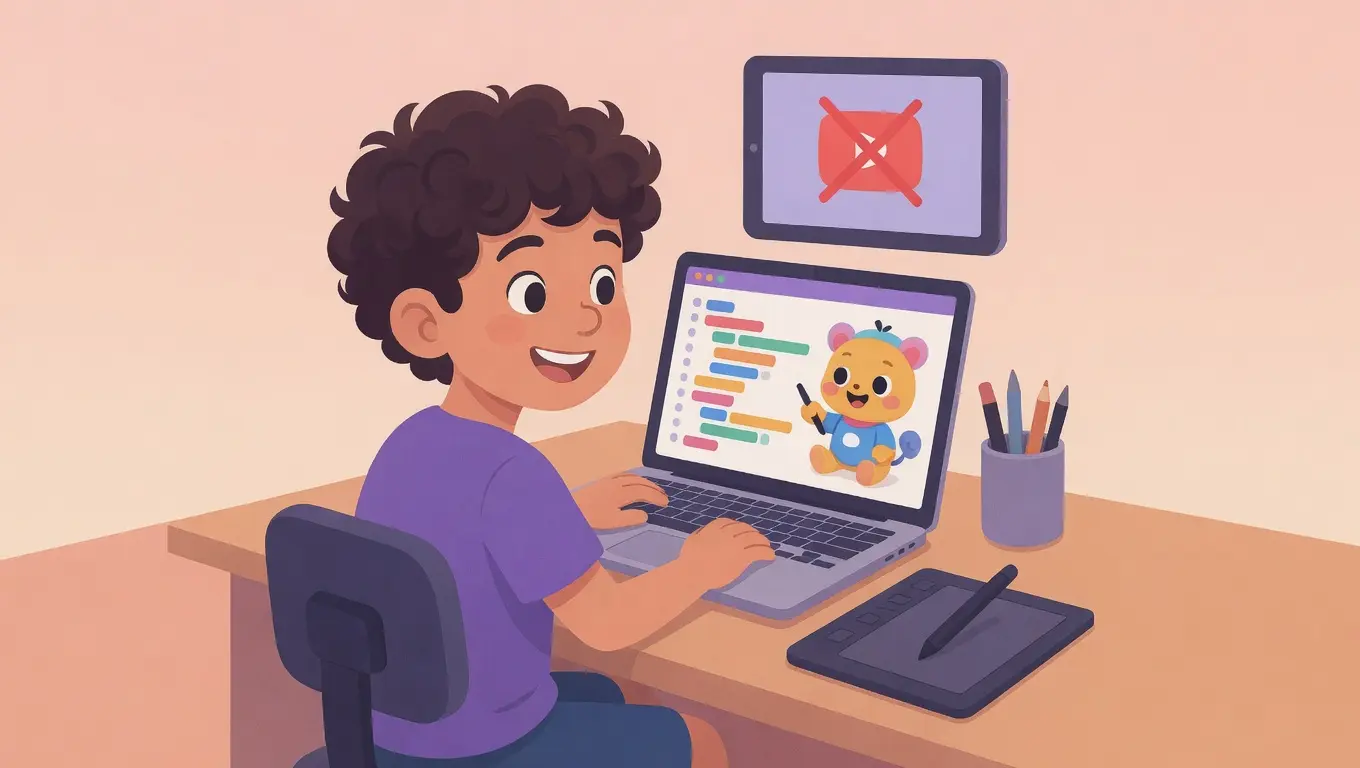
Passive watching often happens because it is the path of least resistance. To break this cycle, identify the specific interests your 11-year-old displays. If they watch video game tutorials, do not simply tell them to stop. Ask them what logic they see in the game design. If they watch coding challenges, suggest they try a simple block-based coding platform to build a similar effect themselves. By focusing on the mechanics of what they enjoy, you turn a passive interest into an active research project.
Practical Steps for Digital Creation
Start small. Choose a project that requires a tangible output. If your 11-year-old enjoys short-form videos, challenge them to storyboard, film, and edit a three-minute tutorial on a hobby they understand. This requires them to synthesize information, sequence their thoughts, and manage the technical tools of editing. Focus on the process: how did they decide on the sequence? What did they learn about sound levels? This is how you foster competence through discovery.
Managing Time and Tools
Establish a structure where creation time is treated as a distinct activity from consumption time. For an 11-year-old, this might look like a shared agreement: thirty minutes of exploration or creation allows for a set amount of leisure time. Provide access to specific tools like basic graphic design software, simple coding environments, or even hardware like a small microphone for voice-over work. When the environment is set up for creation, the transition happens naturally.
Analyzing Content Critically
Encourage your 11-year-old to deconstruct the content they watch. Ask them to identify the hook, the structure of the edit, and the target audience. When they treat YouTube as a library of techniques rather than a source of entertainment, they develop a more sophisticated understanding of digital media. This shift from consumer to analyst is a key developmental step at this age, reinforcing their ability to evaluate the information they encounter.
Maintaining Logical Boundaries
If they struggle to stay on task, discuss the causes of their distraction. Is the tool too complex? Is the project too broad? Help them break the task into smaller, manageable chunks. If they are editing a video, focus on the transition between two clips first. If they are writing code, focus on the first character of the output. By helping them solve these specific problems, you reinforce the value of the creative process over the final result.
Building Long-Term Competence
This transition is not a one-time event but an ongoing process. As they master a skill, introduce a slightly more complex challenge. Keep the focus on the mechanics of their creation, and let them take the lead in discovering what they are capable of. By treating them as a junior designer or creator rather than a passive recipient of digital content, you prepare them for a more active role in the digital world. The ultimate goal is for them to understand the mechanics behind the screen, ensuring they are masters of their tools rather than subjects of their algorithms.