Building a Podcast Project for Your 6th Grader
At 11 or 12 years old, your 6th grader is beginning to develop a stronger sense of personal perspective. Producing a digital podcast is an ideal vehicle for this stage because it forces them to organize their thoughts, research a topic, and deliver information in a structured format. This is not about recording random chatter. The goal is to build a project that teaches the discipline of editorial planning and technical production.
Establishing the Editorial Framework
Before they touch a microphone, your child must learn to plan. A 6th grader often struggles with the jump from an idea to a finished segment. Require them to create a simple episode outline. Each episode should have a clear goal, a set of talking points, and a planned structure.
Core Production Steps
- Content Planning: Have the child pick a niche topic, such as reviewing local parks, analyzing video game mechanics, or interviewing friends about their reading interests. They must research their subject and write a script or a detailed bulleted list of topics.
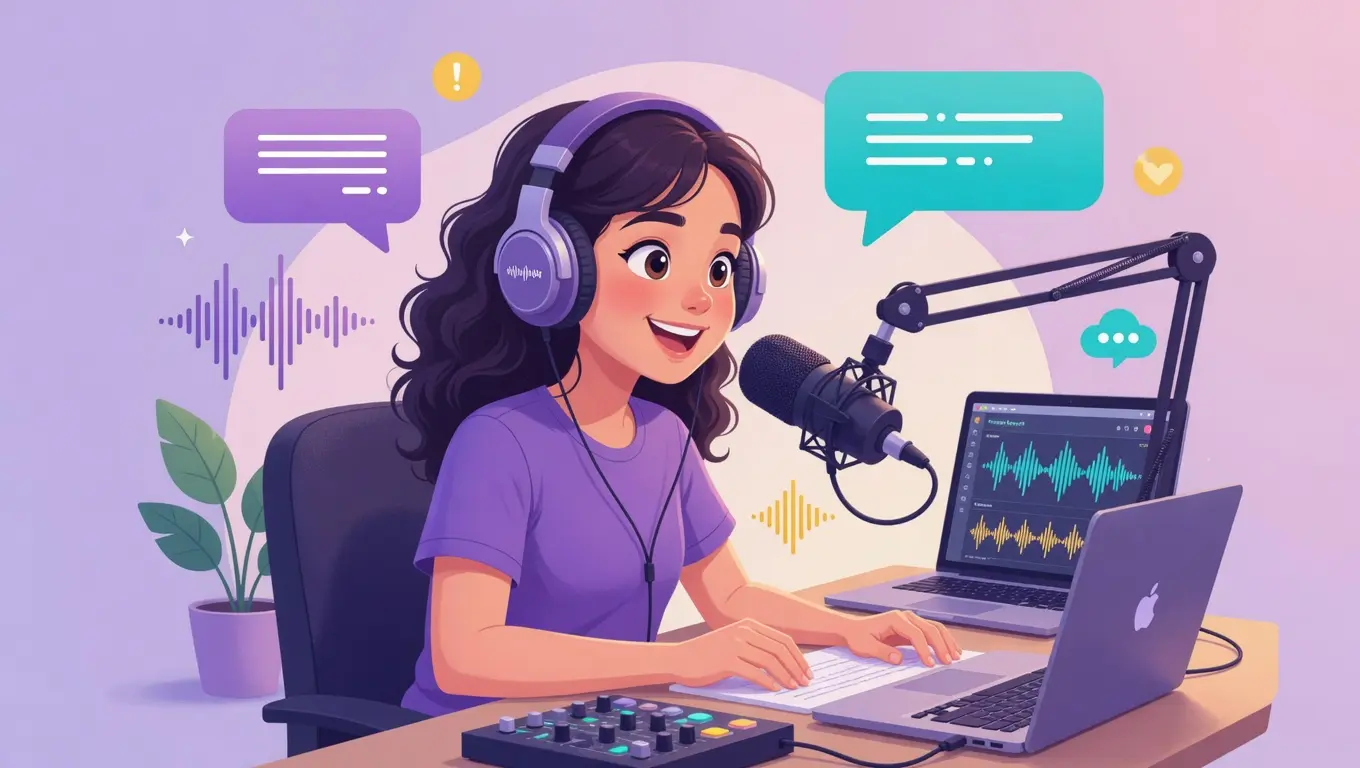
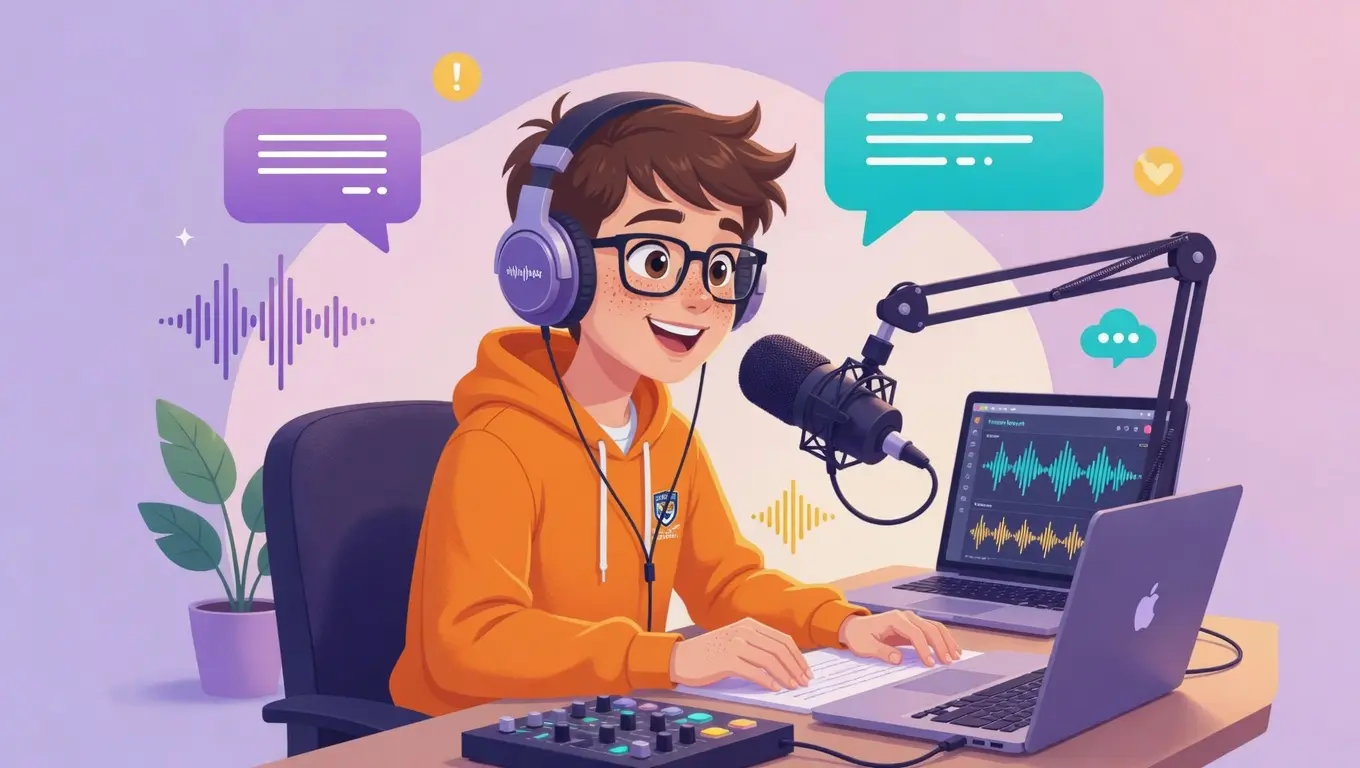
- Audio Recording: Use basic, accessible software like Audacity or GarageBand. Focus on recording in a quiet environment. This teaches the importance of environmental control and sound quality.
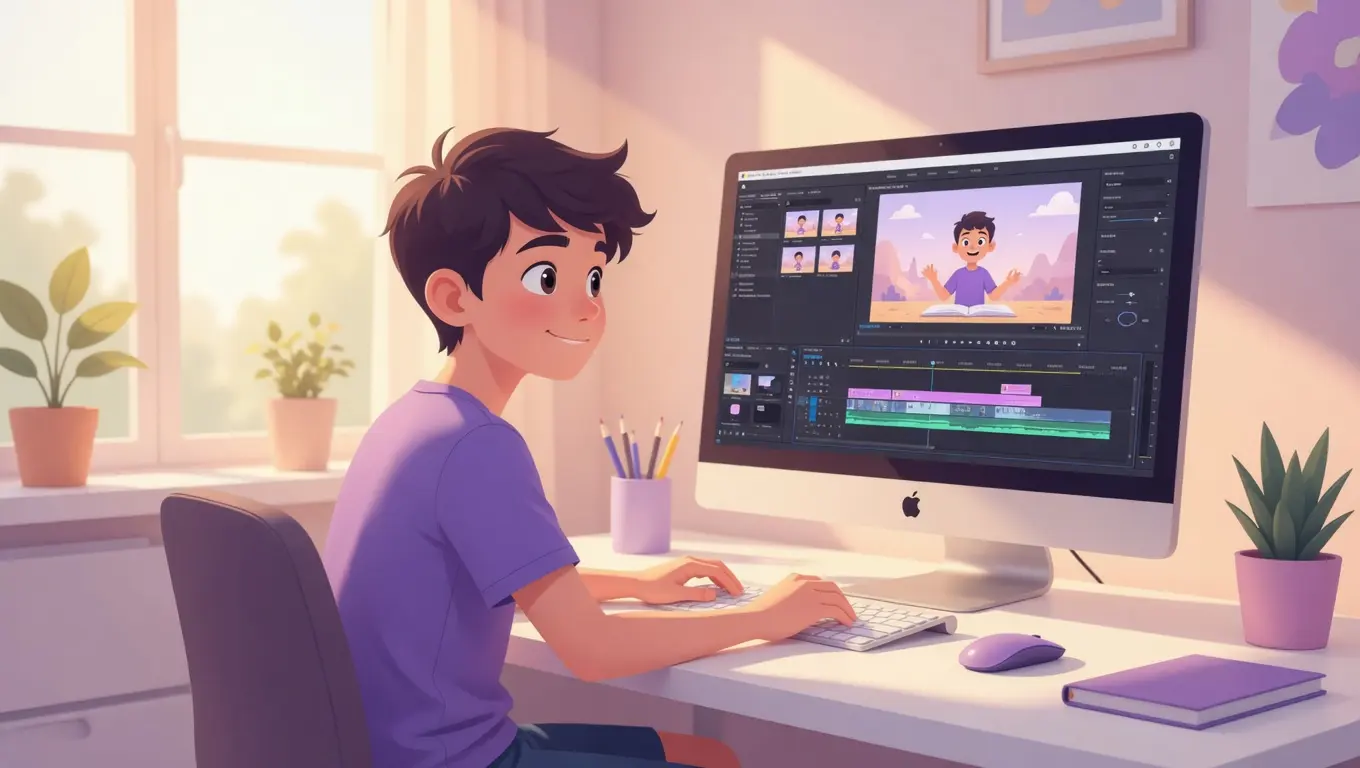
- Editing and Sequencing: Teach them to listen to their own recording to identify filler words, awkward pauses, or unclear explanations. The editing process is where they learn the difference between 'raw' thoughts and 'polished' communication.
- Challenge: How do you keep the podcast interesting for the listener while remaining focused?
- Parent Action: Ask your child to define their target listener. Would a peer find this interesting? Why or why not?
- Assessment: The child succeeds when they can record and edit a five-minute episode that follows their original outline without significant deviation.
Managing Technical Frustrations
Technical issues are a natural part of the production process. When the audio levels are too low or the editing software crashes, avoid the urge to solve the problem for them. Instead, ask them to check their hardware settings or review the documentation for the software. This builds technical literacy.
If they are stuck on a specific editing task for more than 30 minutes, suggest they take a break and return with fresh ears. Often, a student who is deep into editing loses the ability to objectively judge the flow of their audio. Encourage them to listen to the edit once as a listener, not as a producer. This shift in perspective is crucial for identifying where the pacing drags or the content loses its clarity.
Building Editorial Persistence
Consistency is a challenge for any 11-year-old. Encourage them to plan for a series of three or four short episodes rather than one long, sprawling project. This makes the work feel manageable and allows them to see the progression of their own skills. Celebrate the completion of each episode as a milestone of work rather than a measure of popularity.
Help them create a production log where they document their process, including what worked and what didn't in each recording session. By treating their media project as a formal activity that requires planning and refinement, you provide them with a structured way to engage with technology that prioritizes thoughtful content over high-volume output. By the end of the summer, they will have a tangible product that demonstrates their ability to research, script, and produce content.