Building a Self-Directed Summer for Older Elementary
For many parents, the shift from a rigid school-year calendar to the vast open space of summer often creates a struggle between structure and freedom. Older elementary students stand at a developmental stage where they can begin to take ownership of their own time, but they still require a framework to navigate the lack of external constraints. Instead of imposing a top-down schedule that you have to police, work with your child to build a self-directed system that balances necessary routines with personal objectives.
Establishing the Foundation: Anchors and Flex
An effective schedule for an older elementary student relies on a mix of fixed anchors and flexible blocks. Anchors are non-negotiable daily expectations, such as regular mealtimes, basic household contributions, or a designated hour for physical activity. These provide the stability necessary to prevent the day from unraveling into aimless transitions.
Beyond these anchors, introduce flexible blocks that your child fills with their own interests. This might include dedicated time for reading, project work, or specific skill-building exercises. The key is to grant the child authority over the order and content of these blocks, provided they meet the agreed-upon outcomes by the end of the day or week.
Collaborative Planning: Defining Ownership
Sit down with your child to map out the week, not the day. Older elementary students have the cognitive maturity to see the long term. Ask them: What projects do you want to complete? How much time do you want to dedicate to your hobby? How will you account for your responsibilities?
By allowing them to dictate the sequence, you move from a compliance-based model to a performance-based one. If they want to get all their chores done on Monday to leave the rest of the week open, let them. If they prefer to spread their work out, that is also a valid choice. The outcome is less important than the process of decision-making. Their schedule is an experiment in management, and the mistakes they make with their time are valuable learning experiences.
Measuring Success Through Outcomes
Shift the conversation away from monitoring their time toward monitoring their progress. Instead of asking if they finished their work at a specific hour, ask if they met their agreed-upon goals. This approach treats your child as a project manager of their own summer.
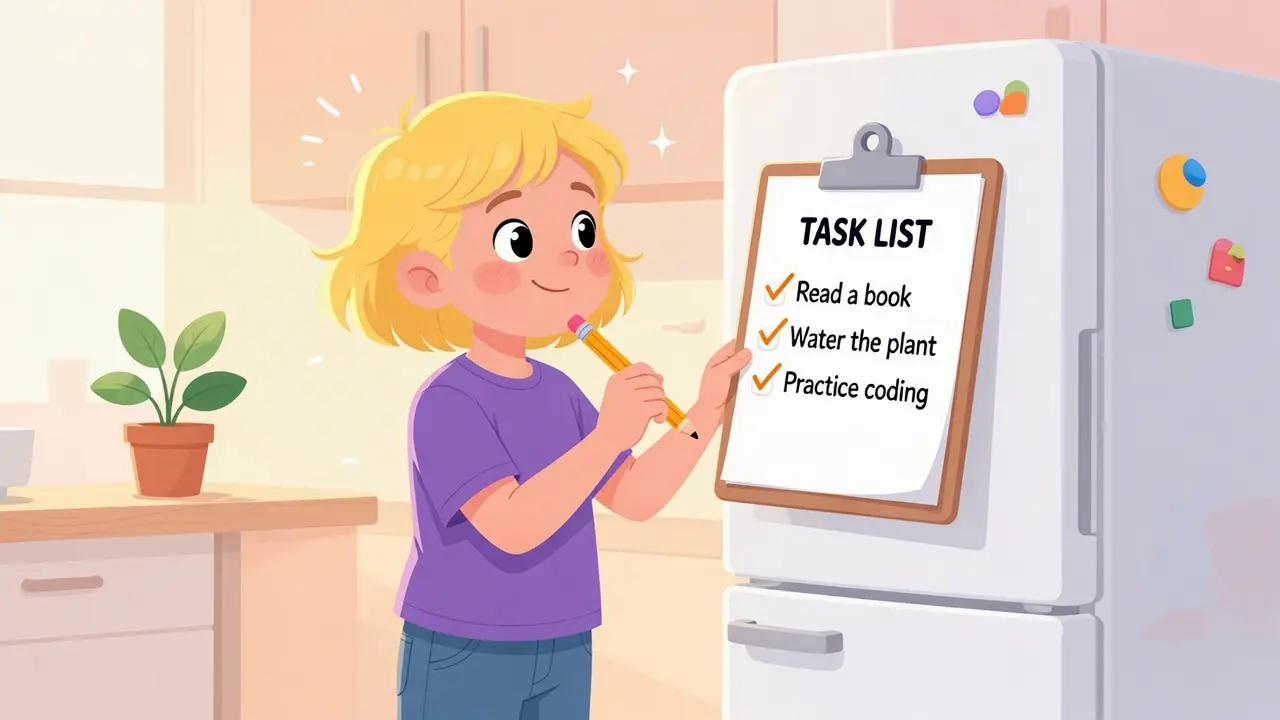
Use a visual, public tracker where they mark off completed milestones. This keeps the agreement transparent and removes the need for you to repeatedly prompt them. When they struggle to meet an outcome, engage in collaborative problem-solving. Ask, What part of the plan was unrealistic? Did you underestimate how long the project would take? How will you adjust for tomorrow? This encourages them to view their schedule as a tool for success rather than a set of rules imposed from above.
Navigating the Shifts in Routine
Summer is not static. A schedule that works for a rainy week may fail during a heatwave or a busy family week. Teach your child that their schedule is not a sacred document but a living document that requires constant calibration. Encourage them to review their week every Sunday to identify what worked and what didn't.
This cycle of planning, performing, reviewing, and adjusting is the essence of effective time management. By allowing them to experience the natural consequences of their scheduling choices, you provide them with the best possible training for the future. You aren't just filling their days, you are helping them develop the autonomy to define their own focus.
Concluding Thoughts
Building a self-directed summer schedule is an exercise in trust and transparency. When you provide the guardrails and let your older elementary student manage the space in between, you empower them to find their own rhythm. This shift in responsibility builds a stronger foundation of competence and confidence than any parent-managed plan could offer.