Creating a Summer Screen-Time Plan for a 14-Year-Old
Moving Beyond Rigid Restrictions
For a 14-year-old, the prospect of a rigid, parent-imposed screen-time schedule often triggers immediate resistance. At this stage of development, teenagers prioritize autonomy and social connection, both of which are deeply intertwined with their digital life. A successful summer screen-time plan must transition from a list of 'don'ts' to a collaborative roadmap that treats your teenager as an active partner in managing their own time.
Understanding the Developmental Need
At fourteen, your child is developing the cognitive ability to weigh immediate rewards against long-term goals. They understand that gaming all night leaves them tired the next day, even if they choose to do it anyway. The goal of a summer plan is to help them bridge the gap between their impulse for immediate gratification and their own desire for personal and physical well-being. By inviting them to design the plan, you are teaching them to value their own time.
Building a Collaborative Plan
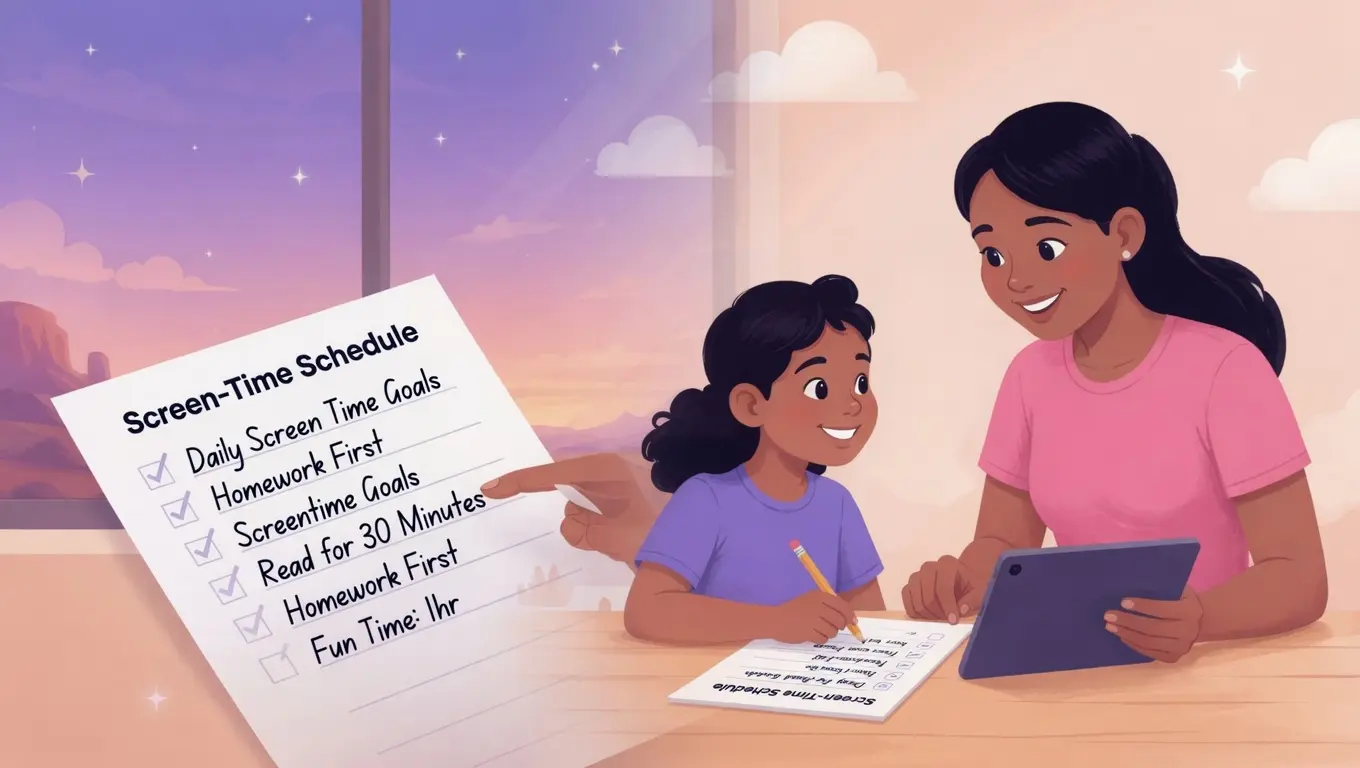
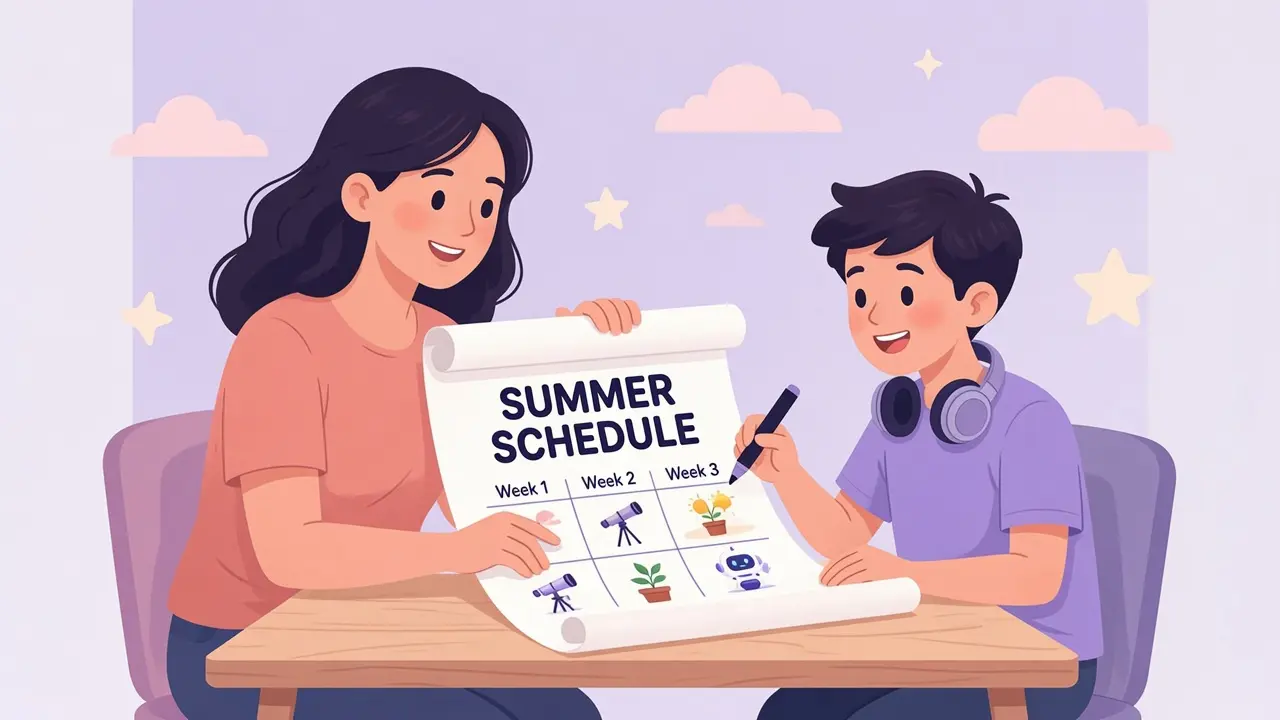
Rather than presenting a pre-written schedule, sit down with your teenager and treat it as a design challenge. Use these steps to anchor the conversation in logic:
- Define Non-Negotiables: Start by listing the activities that are essential for their health and your family life, such as sleep, physical movement, chores, and family commitments. These are the fixed points around which the digital time is built.
- Estimate the Total Available Time: Look at the hours remaining in the day after fixed commitments. Ask your teenager to propose a division of this time. How much do they realistically need for socializing, and how much for their own interests?
- Integrate 'Active' vs. 'Passive' Time: Encourage them to categorize their digital activity. Is the time spent editing videos or learning a new skill? Or is it spent on endless, passive scrolling? Acknowledge the difference and prioritize the active time, as it is more likely to provide a sense of satisfaction.
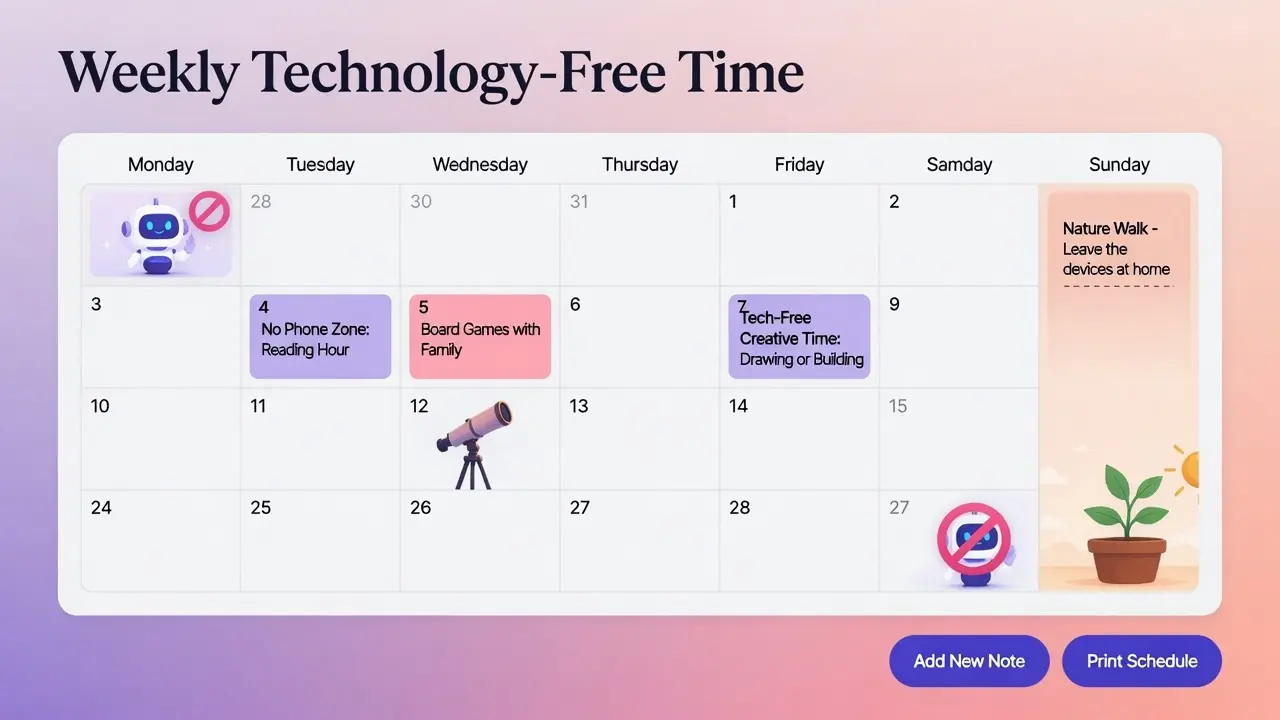
- Design the Daily Rhythm: Let them suggest the flow of their day. If they prefer to game in the late afternoon, allow that, provided the morning chores and physical activities are met. This shift in control can significantly increase their buy-in.
Navigating Real-World Obstacles
Even with a collaborative plan, friction will occur. Your 14-year-old may drift into unproductive patterns. When this happens, use the plan you designed together as the point of reference, not as a source of blame.
Handling Schedule Drift
If the plan is not being followed, do not immediately react with penalties. Instead, ask them to identify why it happened. Was the gaming session too engaging to leave? Did they lose track of time? Use their answers to adjust the plan. Maybe they need a more effective timer or a reminder system. This turns the issue into a troubleshooting exercise that they own.
Revisiting the Plan Mid-Summer
Life is dynamic, and so should be your plan. Check in every few weeks to see what is working and what is not. If they want more flexibility for a special project or event, treat it as a request to be discussed based on their recent adherence to the plan. This reinforces the idea that digital autonomy is earned through responsible time management.
A Collaborative Conclusion
Designing a summer screen-time plan is less about setting rules and more about teaching your 14-year-old to steward their own resources. By focusing on collaboration and natural consequences, you provide them with the framework to make choices that serve their interests and well-being, both now and in the future.