Daily Summer Chores for Your 10-Year-Old
The Shift Toward Independent Responsibility
At ten years old, children are increasingly capable of managing their own time and completing multi-step tasks without direct supervision. This transition period provides a vital opportunity to move away from constant parental reminders and toward systems that favor accountability. Summer, with its shifted school-year schedule, offers the ideal context to practice this independence.
Establishing Clear Routines
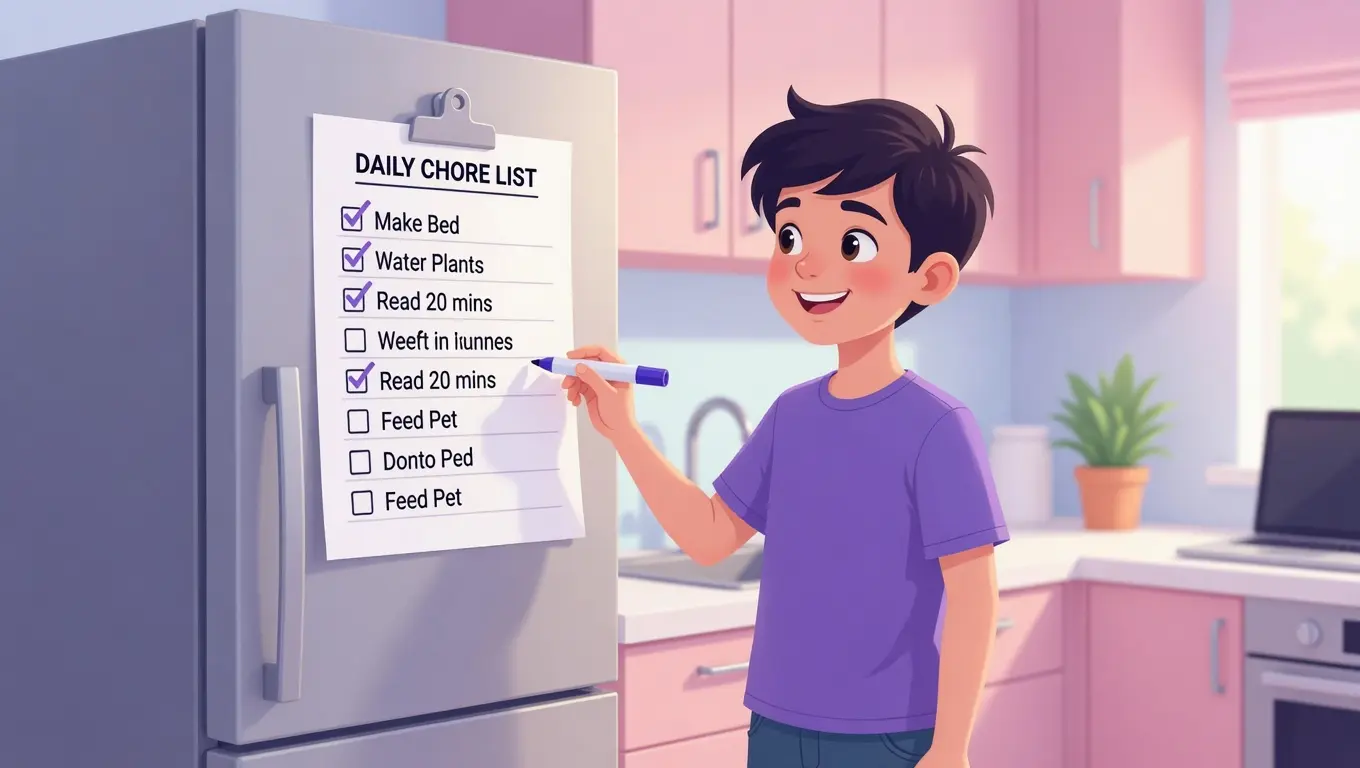
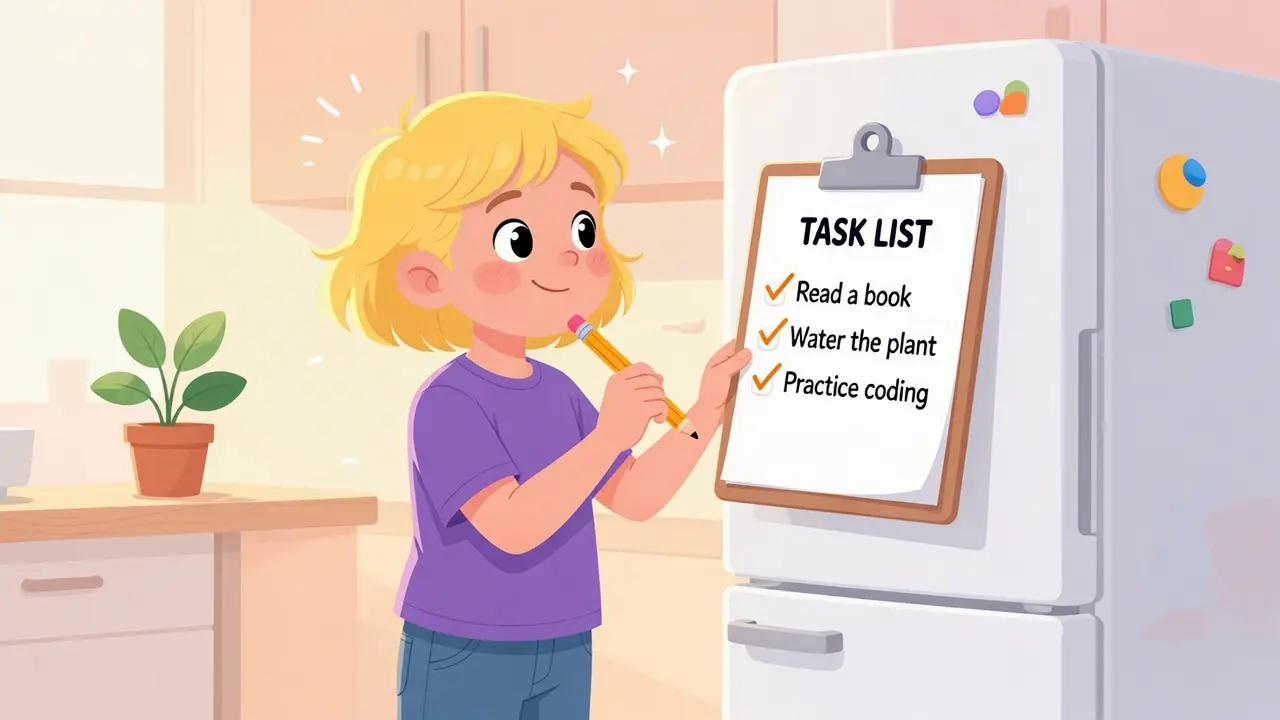
Rather than verbal reminders throughout the day, move to a visual system. A 10-year-old can reliably interact with a physical task board or a checklist on the refrigerator. When you create this system together, it ceases to be a top-down mandate and becomes an agreed-upon structure for the day.
For example, create a checklist for the morning: make bed, clear breakfast dishes, feed the family pet, and put away laundry. Define exactly what constitutes completion. If the task is cleaning a room, define what that looks like: floors cleared, bed made, and clothes put away. By defining the standard upfront, you eliminate the need for negotiation after the fact.
The Role of Natural Consequences
Independent work is only meaningful if the child experiences the outcome of their actions. If the trash is not taken out by the designated time, do not swoop in to do it yourself. Instead, allow the natural result to occur: the kitchen becomes cluttered, or the bin overflows. When you avoid correcting their errors in real-time, the child gains the opportunity to troubleshoot their own habits.
Sit down with your child at the end of each week to review the checklist. If a task went undone, ask them what prevented its completion. Was the schedule unrealistic? Did they forget? Collaborative problem-solving here helps the 10-year-old identify the cause and adjust their approach for the next week.
Managing Complex Chore Sets
At ten, a child can handle chores requiring judgment. For example, watering plants involves checking soil moisture rather than just following a timer. Assigning tasks that require this level of decision-making shifts their role from passive participant to active contributor. If they forget to water the plants and the leaves wilt, discuss the cause-and-effect relationship. This specific feedback is far more effective than general corrections.
Scaling Expectations for Success
Start small. Select three or four daily tasks that are non-negotiable and easy to track. Once these are mastered, slowly introduce more complex or time-sensitive responsibilities. If you assign too many tasks at once, the 10-year-old may become overwhelmed and lose the benefit of the exercise. Reliability is built through consistency and success, not volume.
Maintain neutral, calm communication when discussing chores. If a chore is missed, treat it as a logistical problem to be solved rather than a moral failure. Ask questions such as: What part of this routine is the most difficult to manage? How can we change the timing to ensure success? This approach centers the child as an agent capable of self-correction.
Building Long-Term Habits
By the end of the summer, the goal is for the child to view these responsibilities as a normal component of their daily existence. When you step back from constant monitoring, you demonstrate your trust in their capability. They learn to value their own contributions and recognize the impact they have on the family unit. This shift in perspective is the true foundation of independent responsibility.