
Helping your 9-year-old with summer job budgeting
Establishing a money system for 9-year-olds
At age nine, children begin to grasp the concept of value exchange beyond simple trades. They understand that specific effort leads to a quantifiable reward. When your 9-year-old starts earning money through neighborhood chores like pet sitting or yard work, the complexity of managing those funds often outpaces their experience. Your role is not to dictate where the money goes, but to provide an objective framework for them to observe the consequences of their financial decisions.
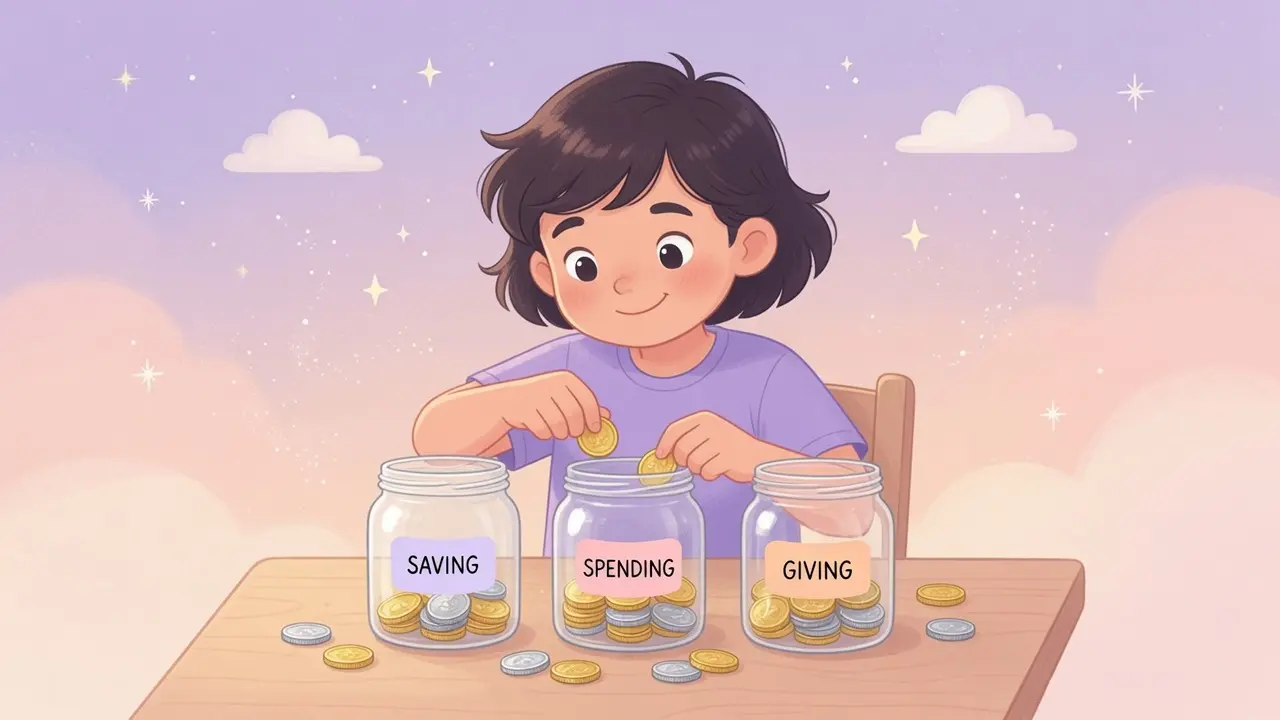
The three-jar allocation method
Abstract numbers on a screen are difficult for a nine-year-old to conceptualize. Physical cash provides immediate feedback. Start with three labeled containers: Spend, Save, and Give.
- Spend: Money available for immediate small purchases.
- Save: Funds held for a larger goal that requires several weeks of labor.
- Give: A portion set aside for a cause the child identifies.
Ask your child to decide the percentage split for every payment they receive. If they earn ten dollars for walking a neighbor's dog, guide them through the calculation. If they choose to put all ten dollars in the Spend jar, they gain immediate utility but lose the ability to acquire a more expensive item later. This is an observable cause-and-effect relationship.
Tracking income and expenses
Memory is unreliable for long-term financial planning. A simple ledger or a notebook works better than relying on verbal recollection. Have your child create a log with three columns: Date, Source of Income, and Amount.
When they spend money, record the item and the cost in a second section. This forces the child to reconcile their current cash on hand with what they believe they should have. If the math does not align, use this as an opportunity to review the ledger together. Did they lose a bill? Did they spend more on a snack than they remembered? Identifying these discrepancies helps a 9-year-old understand that personal finance requires consistent attention.
Defining chores and payments
Conflict often arises when parents and children disagree on the value of a specific task. To avoid subjective debates, list the chores and their corresponding rates clearly. For instance, weeding a garden bed might earn two dollars, while cleaning a garage shelf earns five.
Ensure these tasks are within the capability of a 9-year-old. Yard work that requires heavy lifting or dangerous chemicals is not appropriate. Focus on tasks that are repetitive but safe, such as watering plants, sweeping a porch, or organizing a pantry. This creates a predictable environment where the child knows exactly what is required to reach a specific financial goal.
Navigating purchase choices
When your child wants to buy a toy or a game with their hard-earned money, resist the urge to intervene unless the item is restricted. If they choose to buy a poorly constructed plastic item that breaks within two days, allow them to experience the result. This experience is more instructive than a dozen lectures about value.
Discuss the purchase before the transaction occurs. Ask questions that prompt critical thinking:
- How many hours of work does this item represent?
- What other items could you afford if you saved this money instead?
- What will you do with this item after a week?
By posing these questions, you equip your child to judge the value of their labor against the utility of the object. They learn to evaluate information before committing their resources.
Conclusion
Managing money at age nine is not about becoming a financial expert. It is about understanding that choices have consequences. By providing the tools to track income and by allowing them the autonomy to make their own spending mistakes, you help your child build a foundation of competence and logical decision making that will serve them long after their summer chores are complete.