
Teaching Your 14-Year-Old to Manage Their Own Summer Money
Establishing Financial Autonomy at 14
At 14, the transition from receiving a parental allowance to earning money through neighborhood chores or summer jobs offers a significant opportunity for practical financial education. This developmental stage is defined by an increased desire for independence and a growing capacity for abstract thinking, making it the right time to move beyond simple piggy-bank saving. Parents can act as partners in this process, providing the framework for their teen to learn how money functions in the real world.
The Logic of Earning and Spending
When a 14-year-old begins earning their own money, the link between effort and reward becomes tangible. Instead of merely handing over a pre-determined allowance, consider formalizing the arrangement for neighborhood chores. This transforms the task from an expected family contribution into a contractual agreement.
Define the scope of the chore clearly. For example, if your teen is responsible for lawn care, specify the expected standard, the schedule, and the agreed-upon payment. This clarity allows the teen to understand exactly what is required to generate income, fostering a sense of competence and reliability.
Implementing a Simple Budgeting Framework
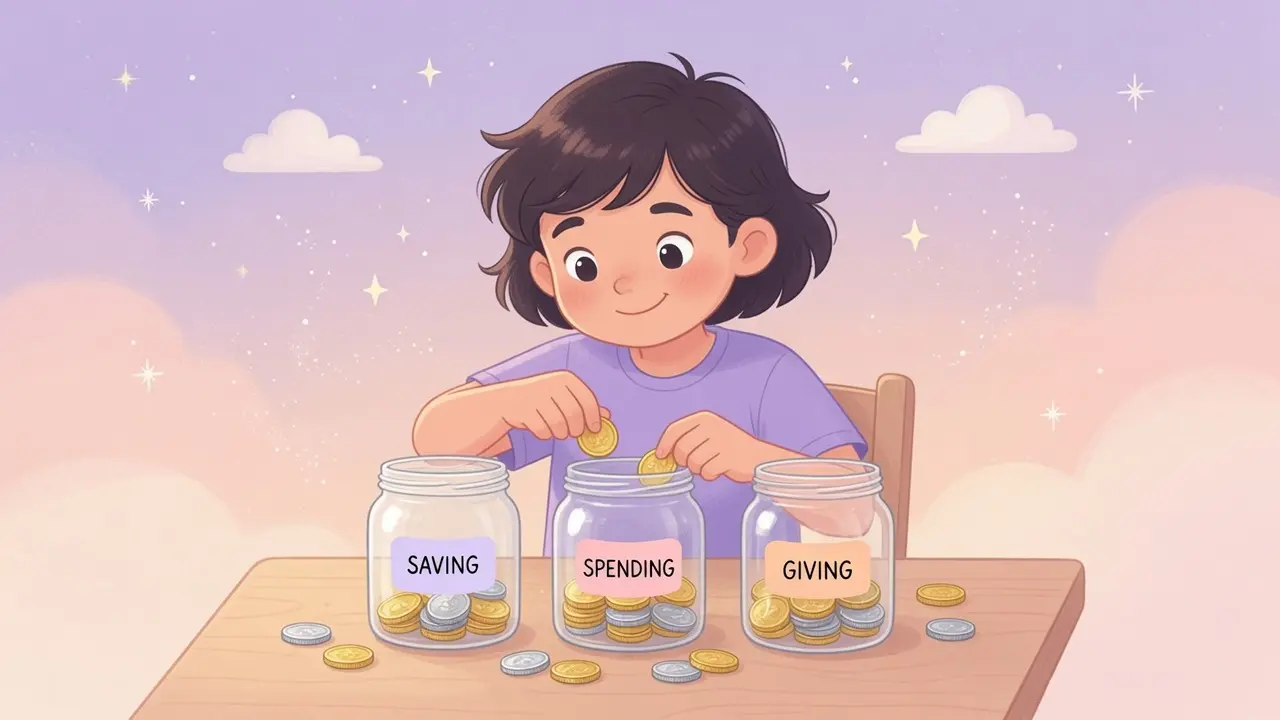
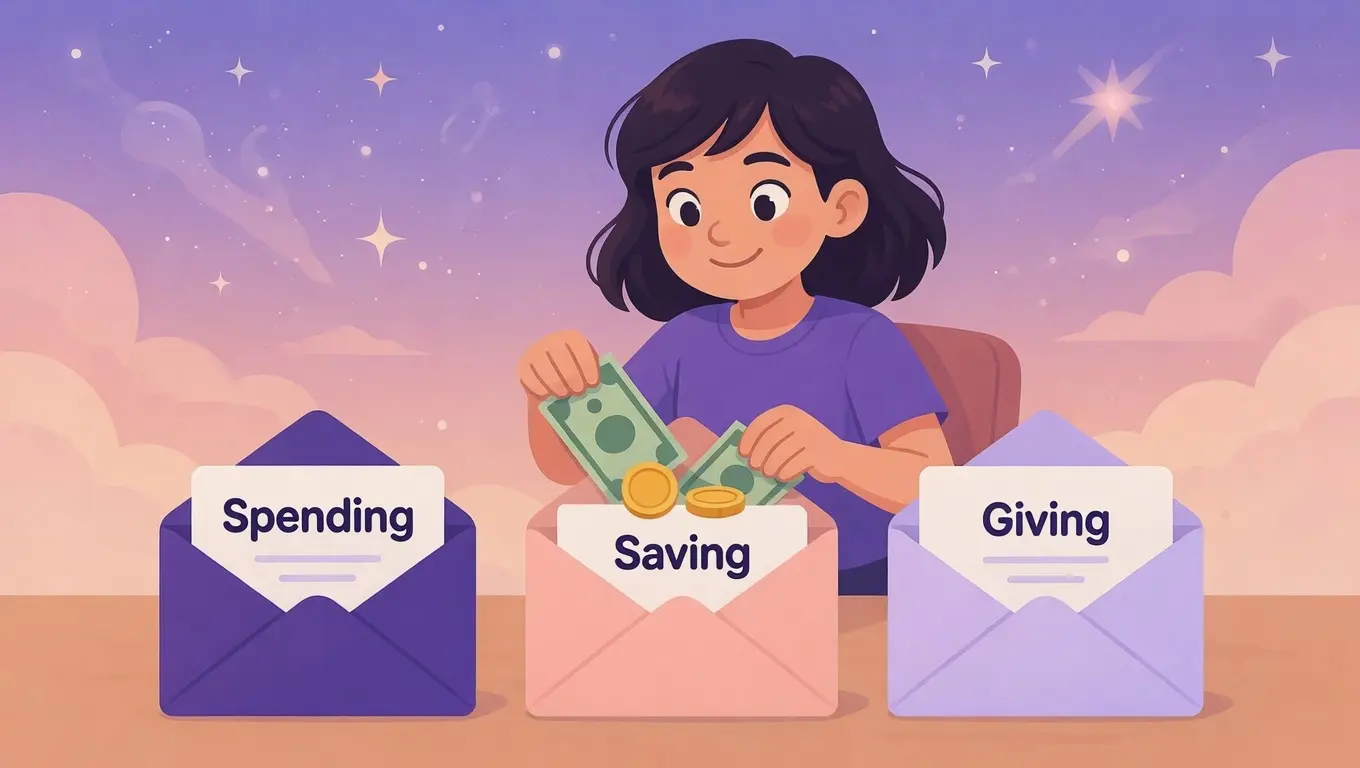
For a 14-year-old, a complex accounting system is often unnecessary. Focus on a simple, tripartite split of their income: spending, saving, and giving. This structure helps them visualize their resources rather than viewing all earnings as disposable income.
The Spend, Save, Give Model
- Spending: This covers the discretionary items they want, such as snacks, social outings, or small hobby purchases. It allows them to experience the natural consequences of spending their money quickly, helping them understand the limitations of their income.
- Saving: This is for larger, long-term goals like a new bicycle, a gaming console, or a specific savings target for the future. Encouraging them to save for a specific, identifiable goal makes the sacrifice of delayed gratification feel meaningful.
- Giving: Dedicating a small portion of their earnings to a charity or cause they personally value connects their financial independence to the wider community.
Practical Steps for Parents
To facilitate this, start by having a collaborative conversation about expectations. Discuss what expenses they are now responsible for covering with their earned money. If they want to attend a concert or purchase a new game, the funding should come from their own savings. This places the burden of choice directly on them, helping them evaluate their priorities.
Use a simple ledger or a digital app to track these three categories. Review these records together on a monthly basis. Ask questions that prompt reflection, such as whether a past purchase still feels like a good use of their money or how their savings goal is progressing. These discussions are more valuable than abstract lectures about the importance of thrift.
Navigating Challenges Together
Your 14-year-old will inevitably make mistakes. They may spend their entire chore budget on something that loses its appeal within a week. Rather than providing a bailout, use this as an opportunity to discuss cause-and-effect. Ask them how this purchase has impacted their ability to save for their larger goal. This approach allows them to learn from their choices in a low-stakes environment while still under your guidance.
By treating your teen as an active participant in managing their earnings, you move them from dependence toward self-reliance. This period of life is ideal for instilling these habits before they face the more complex financial responsibilities of adulthood. Through consistent, logical interactions and a clear framework, you prepare them to make informed decisions about their resources long after the summer ends.