
Teaching Your 10-Year-Old to Manage Chore Money
Establishing the Value of Work
At ten years old, a child possesses the cognitive capacity to grasp basic cause-and-effect relationships. This age is an ideal window to transition from simple allowances to earnings tied to specific contributions. When your 10-year-old earns money through neighborhood chores or a summer job, they encounter the tangible reality of work. This experience serves as the foundation for future financial independence.
Practical Budgeting Framework
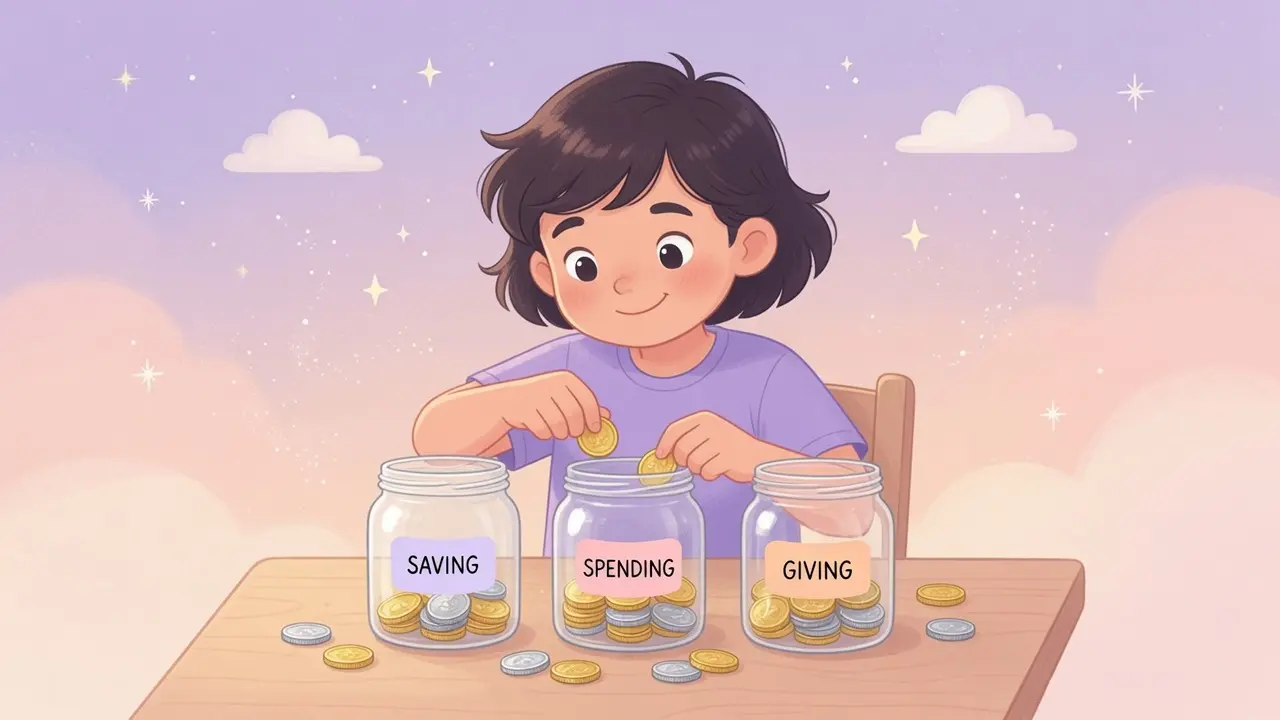
Avoid complicated banking apps initially. Start with a three-jar system to make the abstract concept of money visible and concrete. Label three physical containers: Spend, Save, and Give.
- Spend: This portion is for immediate desires, like a pack of trading cards or a trip to the local candy shop.
- Save: This is the pool for larger, long-term goals, such as a new game, a sports equipment upgrade, or a specific hobby set.
- Give: This teaches the habit of intentional allocation toward something outside themselves, such as a local food bank or animal shelter.
Help your child calculate the percentages for each jar. For example, if they earn five dollars for weeding the garden, suggest they put two dollars in spend, two dollars in save, and one dollar in give. This hands-on process allows them to see how quickly money moves and disappears based on their choices.
Managing Real-World Transactions
When your child earns money from neighborhood jobs, help them maintain a simple notebook ledger. Record the job, the date, and the amount received. This habit creates an observable record of their labor. If they lose money, treat it as a natural consequence. Avoid bailouts. Instead, discuss why the money was lost and how they can prevent it next time. This level of accountability is vital for a 10-year-old who is beginning to manage their own assets.
Negotiating Rates and Expectations
Encourage your child to set their own prices for tasks like pet sitting or watering plants. Have them research what others in the neighborhood charge. If they overprice their services, they will likely get no work. If they underprice, they will learn the value of their time. These are the formative lessons that define their understanding of labor and value. Guide them to ask questions like: What equipment do I need? How long will this take? What if the client is not home?
Supporting Long-Term Goals
When your 10-year-old targets a larger purchase, create a visual chart to track their progress toward the goal. Seeing the gap between their current savings and their target provides a clear visual incentive. Avoid adding money to the jar just to reach the goal faster. The satisfaction of earning the final dollar through their own effort provides more value than a handout. Discuss the trade-offs of immediate spending versus waiting for the larger item. By framing these choices as objective outcomes, you provide the tools for your child to make their own informed financial decisions.