
Helping Your 13-Year-Old Budget Summer Earnings
Establishing Financial Autonomy
A 13-year-old is at a developmental stage where they can grasp the difference between income, expenses, and savings goals. When your teenager starts earning money from a neighborhood chore or a part-time summer job, the immediate impulse is often to spend on non-essential items. As a parent, your role is to provide a framework for them to observe the consequences of their financial decisions. This process is not about control but about teaching the mechanics of resource allocation.
Creating a Simple Tracking System
Many teenagers struggle with the concept of invisible money. If they earn cash for mowing a lawn or walking a neighbor's dog, the physical presence of the currency makes it easier to manage. If the pay is digital, the detachment from the funds is greater. Sit down with your teenager and help them set up a simple ledger. Whether they use a notebook or a basic spreadsheet, the objective is to record every transaction.
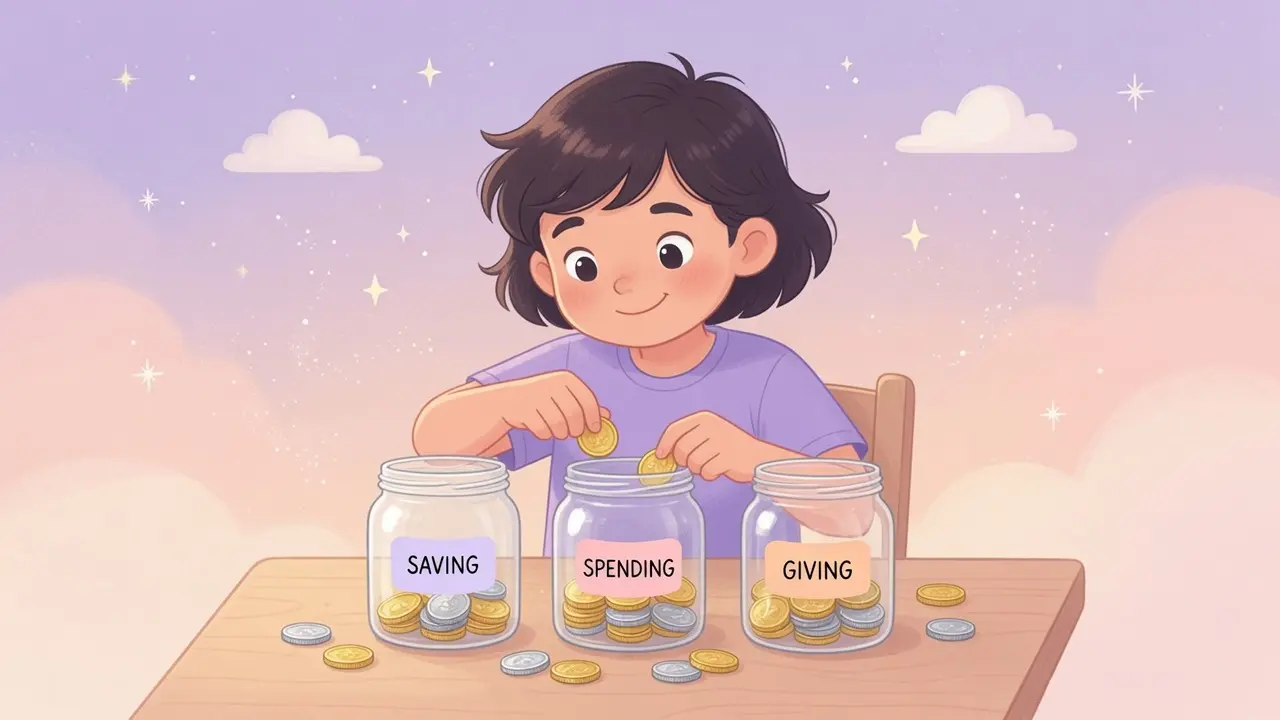
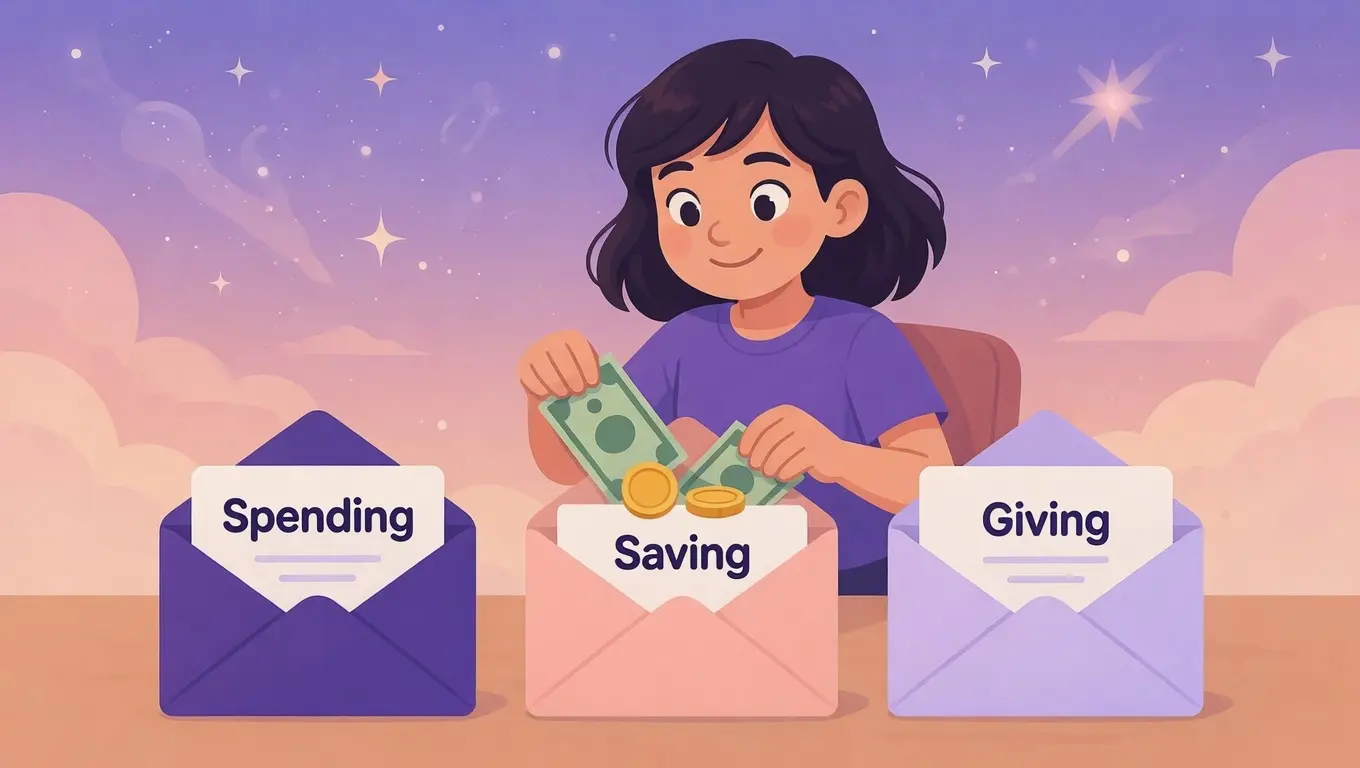
Ask your teenager to identify three categories: immediate spending, medium-term goals, and long-term savings. If they earn fifty dollars for a week of work, help them divide that amount. For example, they might allocate twenty dollars for current entertainment, twenty dollars toward a game console or accessory they want in two months, and ten dollars into a long-term savings account. This categorization forces them to confront the reality that money spent on snacks today reduces their ability to purchase a more significant item later.
Setting Measurable Financial Goals
At 13, the brain is developing the capacity for future-oriented planning. However, this capacity remains limited. Abstract goals like saving for college are too distant to be meaningful. Instead, focus on items or experiences they can achieve within a single season. A common challenge occurs when a teenager spends their entire paycheck on a single outing. When this happens, allow the natural consequence to unfold. If they run out of money for a desired movie ticket the following week, do not bail them out. Instead, discuss why the budget was exhausted and how the previous week's spending decisions contributed to the current shortage.
Analyzing Spending Patterns
Review their ledger with them every two weeks. Avoid lecturing. Instead, ask objective questions. Ask them if the purchases they made brought the satisfaction they expected. If they spent fifty dollars on an online game purchase and realize they have no money left for a physical social outing, they will learn more from that outcome than from a list of rules you provide. This discovery-based approach helps them connect their behavior to the outcome of having or not having funds.
Handling Peer Pressure and Financial Socializing
Teenagers frequently face pressure to spend money to maintain status within their peer group. Discuss the concept of social spending versus individual goals. If their friends are going to a theme park and the cost exceeds their current budget, use this as a teaching moment regarding opportunity cost. Is the event worth pausing their other savings goals? By laying out the numbers, you allow your teenager to make an informed choice rather than an impulsive one.
Conclusion
Managing money at 13 requires practice and patience. By providing them with a clear system for tracking income and expenses, you allow your teenager to build competence through direct experience. Observe their process, offer guidance when asked, and allow the natural consequences of their financial choices to serve as the most effective teacher.