
Helping Your 12-Year-Old Budget Summer Job Money
Practical Financial Management for 12-Year-Olds
At 12 years old, children are capable of handling basic financial concepts beyond just saving coins in a jar. Whether they are earning money through a neighborhood lawn-mowing business, babysitting, or a formal summer job, this is the prime window to shift from passive saving to active budgeting. The primary challenge parents face is helping the child see money as a tool with finite limits rather than an infinite resource for immediate gratification.
Establishing a Three-Bucket System
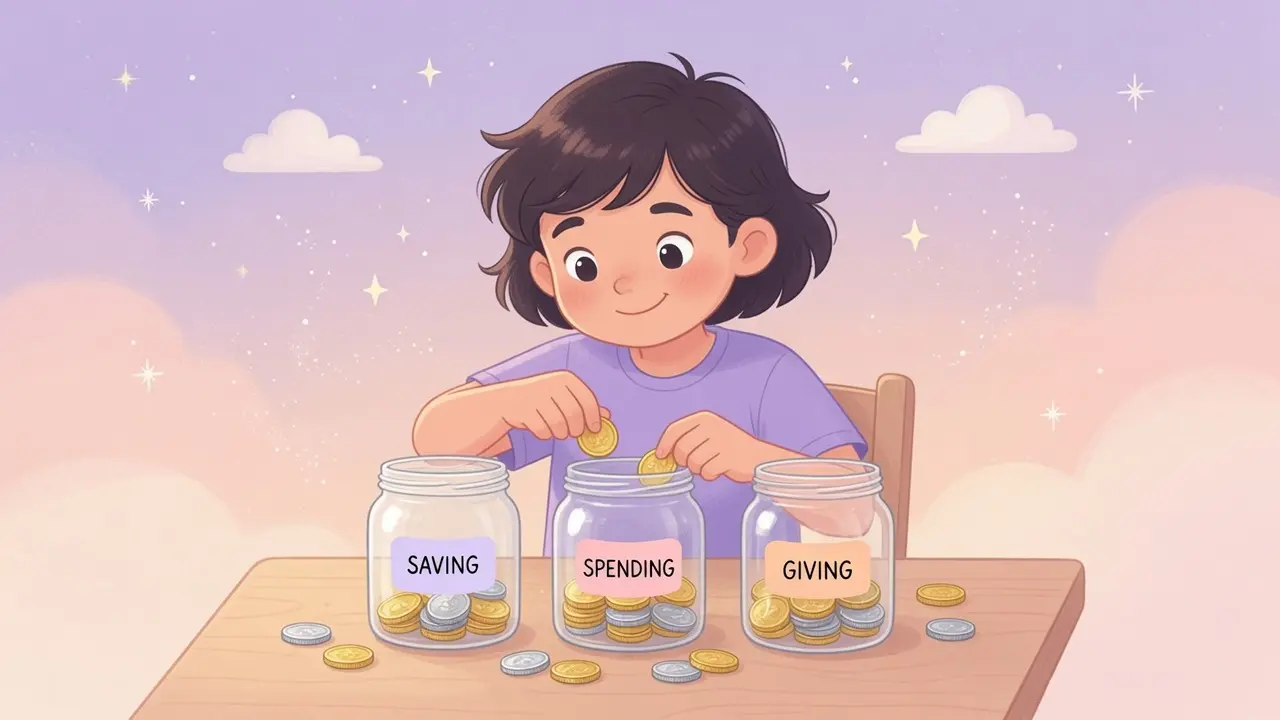
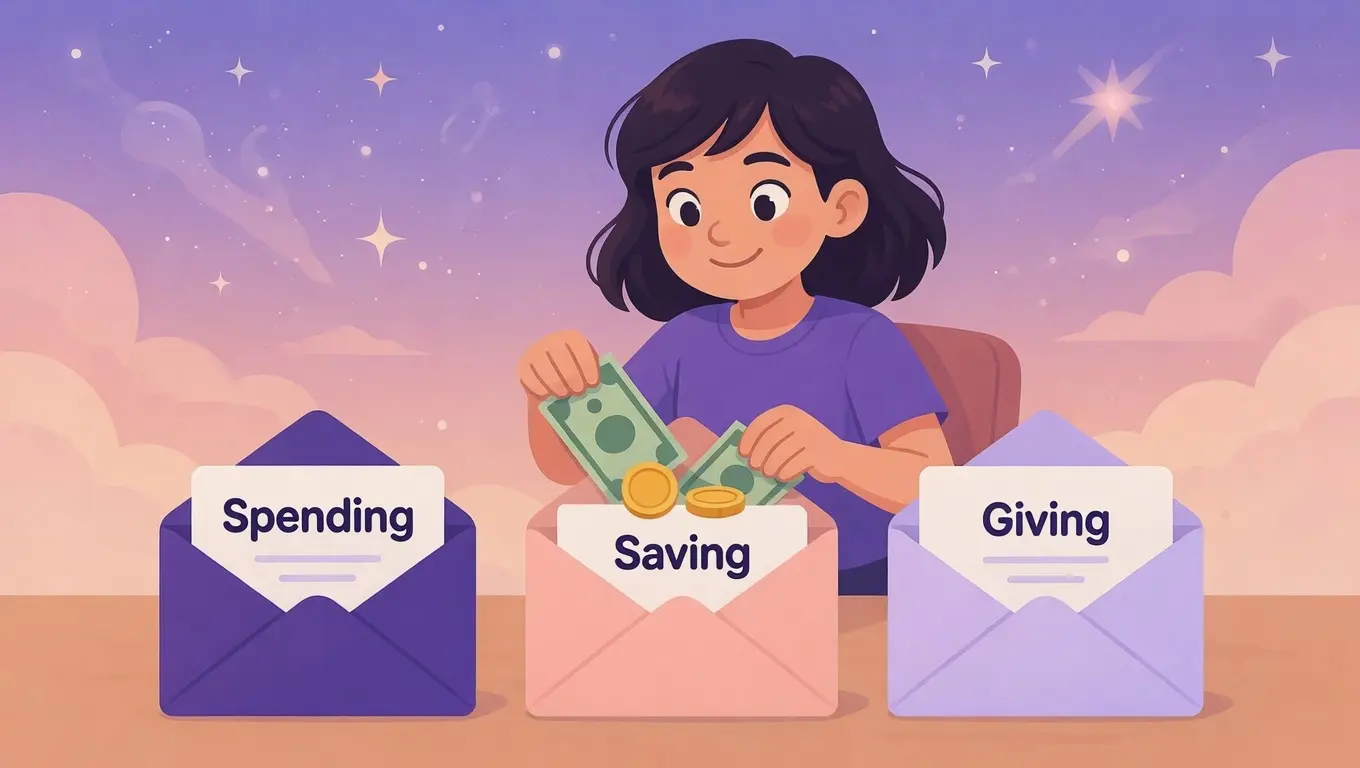
To move beyond simple storage, establish a concrete three-bucket system. This system forces the child to make conscious choices about their income before they spend it. Create physical or digital envelopes labeled: Spend, Save, and Give.
- Spend: This category covers immediate wants. If they want to purchase a new video game or trendy accessories, the funds come from here.
- Save: This bucket is for long-term goals. If they want an expensive piece of sports equipment or a tablet, this is the holding area.
- Give: This represents community participation. It allows the child to contribute to causes they identify as personally meaningful.
Instead of a percentage-based split which can feel arbitrary, use a fixed-dollar or task-based approach. For every ten dollars earned, assign a specific amount to each bucket. This makes the consequence of earning more money immediate and observable.
The Logic of Delayed Gratification
Twelve-year-olds often struggle with impulse control. Frame their financial decisions around the reality of trade-offs. When they express a desire for an item, help them perform a cost-benefit analysis. Instead of stating they cannot afford it, ask: If you spend your savings here, how does that impact your goal for the larger purchase you mentioned last month?
This forces the child to evaluate their own priorities. If they choose to spend the money, the natural consequence is that the larger goal is delayed. This is not a punishment but a logical outcome of their choice.
Tracking Expenses and Understanding Costs
Use a simple ledger or spreadsheet to track earnings and expenditures. A 12-year-old is cognitively capable of maintaining this record. Have them update it every time they receive payment or make a purchase. Seeing the numbers on a page helps them visualize the rate at which money enters and exits their control.
Review the ledger together at the end of every two weeks. Ask questions like: Where did your spending align with your original plan? What was an unplanned expense? Understanding these variances is how they refine their budgeting habits.
Real-World Math and Responsibility
Encourage your child to be involved in the actual transaction. If they are selling chores or services, they should be the ones to collect payment and verify the amount. When they go to the store to make a purchase, they should handle the transaction, calculate the tax, and handle the change. These small moments build a sense of agency and help them understand the real-world value of the money they have worked to earn.
By keeping the system clear, logical, and tied to their own goals, you provide the tools they need to navigate personal finance as they move into their teenage years.