
Helping a 10-year-old Overcome Summer Loneliness
Understanding the Summer Shift
For a 10-year-old, the end of the school year often brings an abrupt transition from a high-social environment to a landscape of unstructured time. Without the daily presence of a peer group, many 10-year-olds experience a sense of social isolation that feels magnified by the slow pace of summer days. This isolation is not just about boredom; it is a developmental challenge where the child must learn to manage their own time and seek connection outside of the mandated school structure.
At this age, children are sensitive to the change in their social status. When they lose their daily access to friends, they often internalize the experience, wondering if their peers are intentionally moving on without them. Parents can help by validating these feelings while guiding the child toward proactive, local solutions.
Facilitating Local Connection
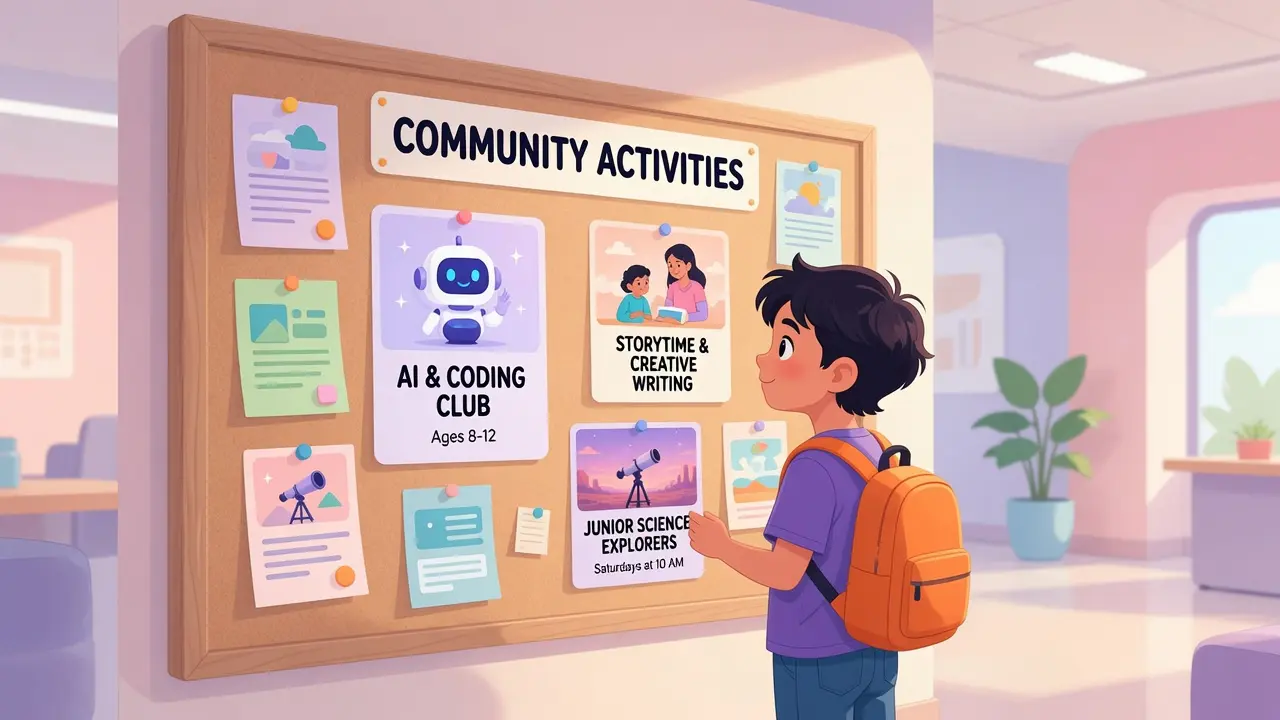
Overcoming isolation requires moving beyond the digital world and finding tangible opportunities for engagement. Instead of waiting for invitations, help your 10-year-old identify local hubs for their age group. This might involve looking for specialized summer programs, neighborhood sports leagues, or even recurring community events like park clean-ups or library activities.
Frame these opportunities as discovery missions. Suggest that the two of you investigate three potential activities over the next week. This collaborative research gives the child agency and ensures they are invested in the outcome. By focusing on activities that have a defined start and end time, you reduce the pressure for the child to magically cultivate a lasting friendship overnight.
The Role of Individual Interests
Loneliness often feels most intense when a child lacks a personal anchor for their time. A 10-year-old who has a specific, compelling project is less likely to focus on their social gaps. Whether it is learning to code a simple game, gardening, or practicing a new athletic skill, the activity serves as a bridge to other interested peers.
Encourage your child to find an interest that is theirs alone, rather than one they pursue solely to be with friends. This independence builds confidence and provides a natural conversation starter when they do interact with other children. When they have something they are excited to talk about, they have a tool for initiating contact and establishing common ground.
Supporting Emotional Resilience
Social isolation provides a unique opportunity for developing inner resources. Use the quieter summer days to discuss how different social situations make your child feel. Ask them: What kind of environment makes you feel most comfortable talking to new people? or Who do you find it easy to chat with, and why?
By helping your child analyze their own social preferences, you are teaching them to understand their needs and how to communicate them. This is not about forced social success; it is about building the habit of reflective thought. When they realize that they have the power to create their own social experiences, the fear of isolation begins to diminish. You are equipping them to navigate future changes, both in the school year and beyond, with a clearer sense of who they are and how they want to connect.