
Overcoming Summer Loneliness for Your 11-Year-Old
The Context of Summer Isolation
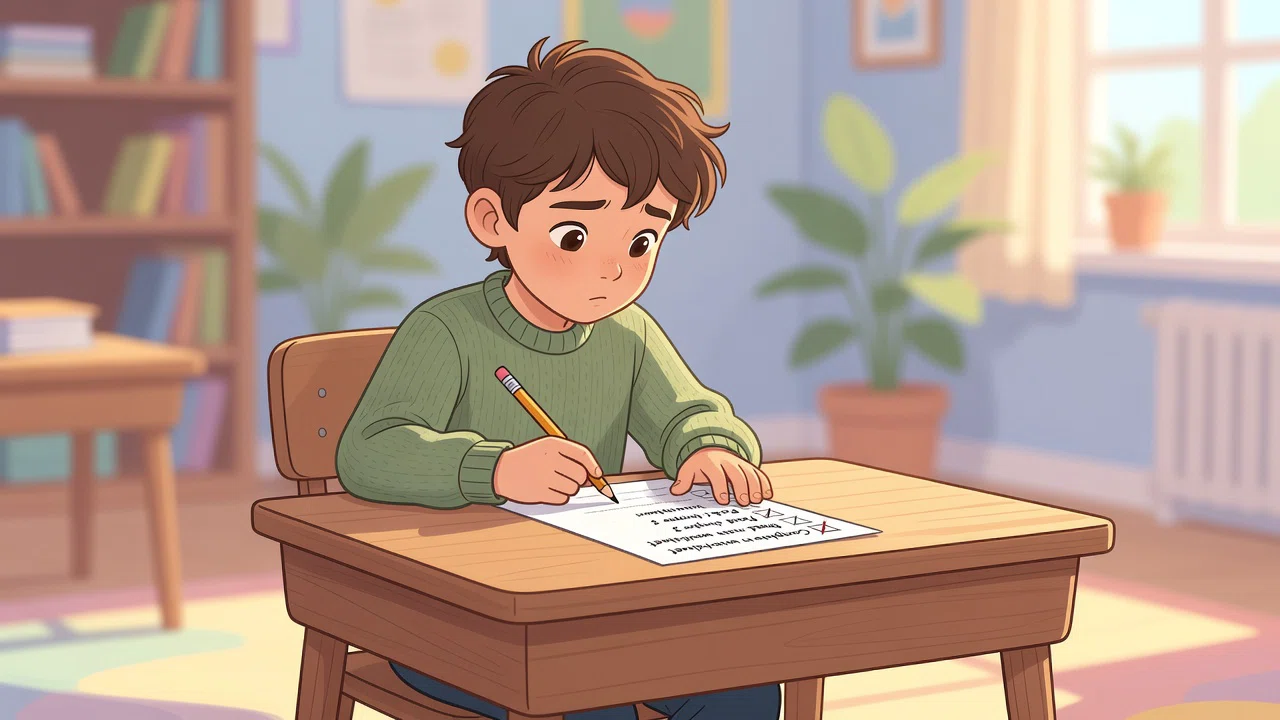
For an 11-year-old, the summer break represents a sudden cessation of the daily social structure provided by school. While some children thrive in unstructured time, others experience a profound sense of isolation. At 11, the child is beginning to define themselves through their peer interactions. When those interactions disappear, they often lack the cognitive framework to fill that void productively, leading to feelings of loneliness that can be mistaken for simple boredom.
Why 11-Year-Olds Struggle with Solitude
At this developmental stage, children are shifting from parent-centered activities to peer-centric ones. When peers are unavailable, they may feel untethered. They often possess the desire for independence but lack the executive function to plan and execute meaningful solitary activities. Loneliness at this age is often a byproduct of this mismatch between their desire for peer connection and their current inability to initiate self-directed projects.
Signs Your Child Needs Support
Parents can observe specific behaviors that indicate a child is struggling with isolation rather than just needing downtime:
- Persistent lack of initiative in starting hobbies or interests they once enjoyed.
- Verbalizing feelings of being left out when they see peers in online spaces.
- Increased reliance on screens to bridge the gap in their daily social schedule.
- Difficulty articulating what they would like to do with their time.
- Physical lethargy or a lack of engagement with their immediate home environment.
Actionable Strategies to Manage Loneliness
Address the experience of isolation by helping your child transition from passive waiting to active discovery.
Audit the Daily Schedule
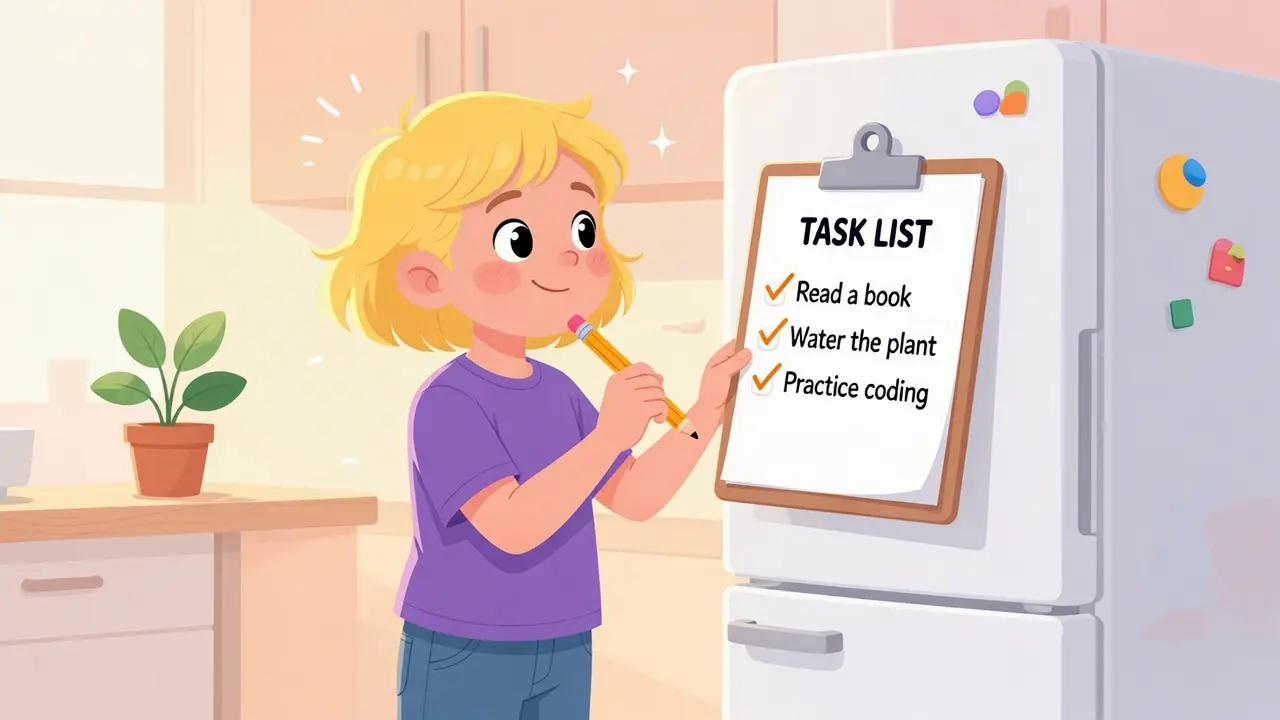
Work with your child to map out their day. Instead of a rigid minute-by-minute plan, establish key anchor points. For example, include a morning block for a personal project, an afternoon block for physical activity, and an evening block for family or peer connection. This provides a logical structure that makes the day feel manageable and intentional rather than an endless void.
Promote Goal-Oriented Solitude
Encourage your child to choose one tangible project to complete over the course of the week. This could be building a specific model, organizing a collection, or learning a foundational skill for a hobby like coding or cooking. By setting a goal, you move the child from a state of passive waiting to active accomplishment. Ask questions such as, What do you need to complete the first phase of this project today? or What resources are necessary to get started?
Facilitate Controlled Social Outreach
If isolation persists, help your child initiate a specific, low-stakes social plan. Suggest reaching out to one peer for a concrete activity, like playing a game online or meeting at a local park. Frame the suggestion as a task to be managed: Decide on one person to invite and one specific activity for that interaction. This removes the vague pressure of just wanting to hang out and replaces it with a clear, logical social objective.
Analyze the Experience of Boredom
When your child expresses that they are lonely, use it as a moment for logical inquiry. Ask, What part of the day feels the most empty? and What would make the next two hours feel more productive? By treating their loneliness as a problem to be solved with data, you help them develop the emotional regulation to navigate similar feelings in the future.
Concluding Thoughts
Overcoming summer loneliness at 11 requires a shift from passive observation of a lack of activity to the active pursuit of personal interest and managed social outreach. By providing structure and encouraging goal-oriented projects, you help your child build the resilience necessary to navigate the unstructured time of summer.