Helping Your 12-Year-Old Pack for Summer Trips
Developing Packing Independence at 12
At 12 years old, your child is cognitively capable of managing their own belongings for a trip or summer camp. Packing is not merely a logistical task; it is an exercise in planning, forecasting, and personal accountability. By delegating this responsibility, you shift the burden of preparation from parent to child, allowing them to experience the natural consequences of poor planning while fostering a necessary life skill.
The Logic of the Checklist
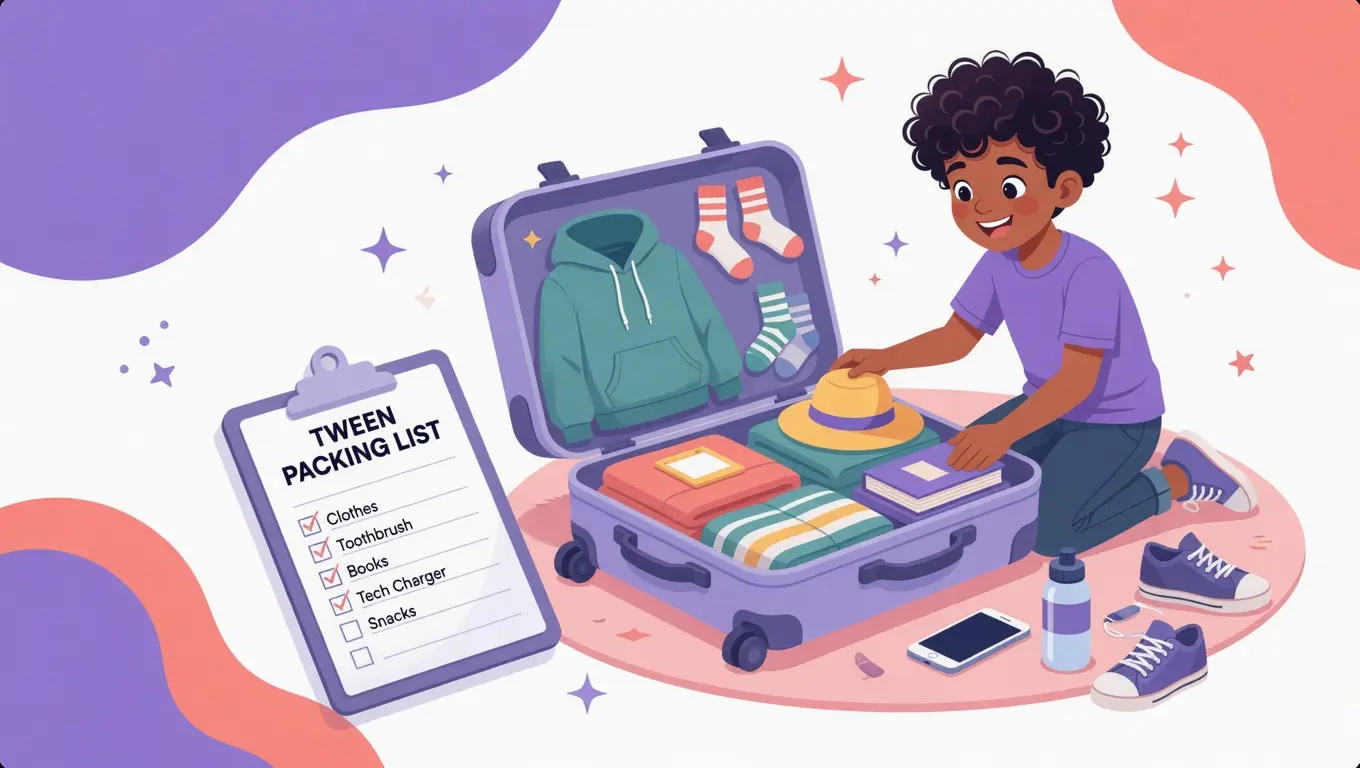
Do not simply tell your child what to pack. Instead, guide them in creating a structured checklist. This shifts the process from passive compliance to active planning. Divide the list into logical categories: clothing for the specific climate, toiletries, gear for planned activities, and personal entertainment.
Help your 12-year-old think through the schedule of their trip. If they are going to summer camp, ask: What specific sports or events will you be participating in? Do you need specialty footwear or a light jacket for evenings? By requiring them to anticipate these needs, you develop their ability to forecast requirements. A successful trip depends on the alignment between their preparations and the reality of the destination.
Ownership of Personal Belongings
When a child packs their own bag, they are the one who knows where items are located. This is a critical factor in maintaining order while away. If they forget an essential item, avoid the temptation to fix it by bringing it to them or calling ahead. If the forgotten item is a necessity, discuss the logistical reality of acquiring a replacement. This is not about harsh discipline but about understanding that their choices in the packing phase directly affect their comfort and utility throughout the trip.
Organizing for Accessibility
Talk through how they organize their bag. A common error is layering items without a strategy. Suggest that they pack items needed immediately upon arrival on top, or in accessible pockets. Discuss the importance of segregating damp or soiled items from clean clothes. These organizational techniques are best learned through practice. Ask them to explain their packing system: Why did you place the towel here? How do you plan to separate your dirty gear?
The Post-Trip Review
Upon return, conduct a brief review of the packing process. What went well? Did they have everything they needed? Were there items they packed but never used? This audit is essential for future planning. When they identify these gaps themselves, they refine their own methodology. This is how you help them grow in competence: by encouraging them to treat their own experiences as data for future improvements. You are the consultant to their project, providing the structure they need to succeed independently.