Helping Your 8-year-old Pack for Summer Trips
Developing Self-reliance Through Preparation
At eight years old, a child is capable of managing their own belongings if provided with a clear system. Packing for summer camp or a family trip is an ideal opportunity to move your child from a passive recipient of packed clothes to an active manager of their own gear. This process is not about ensuring their bag is packed perfectly; it is about teaching them how to plan for a future need by considering what activities they will participate in and what equipment those activities require.
The Logic of Systematic Packing
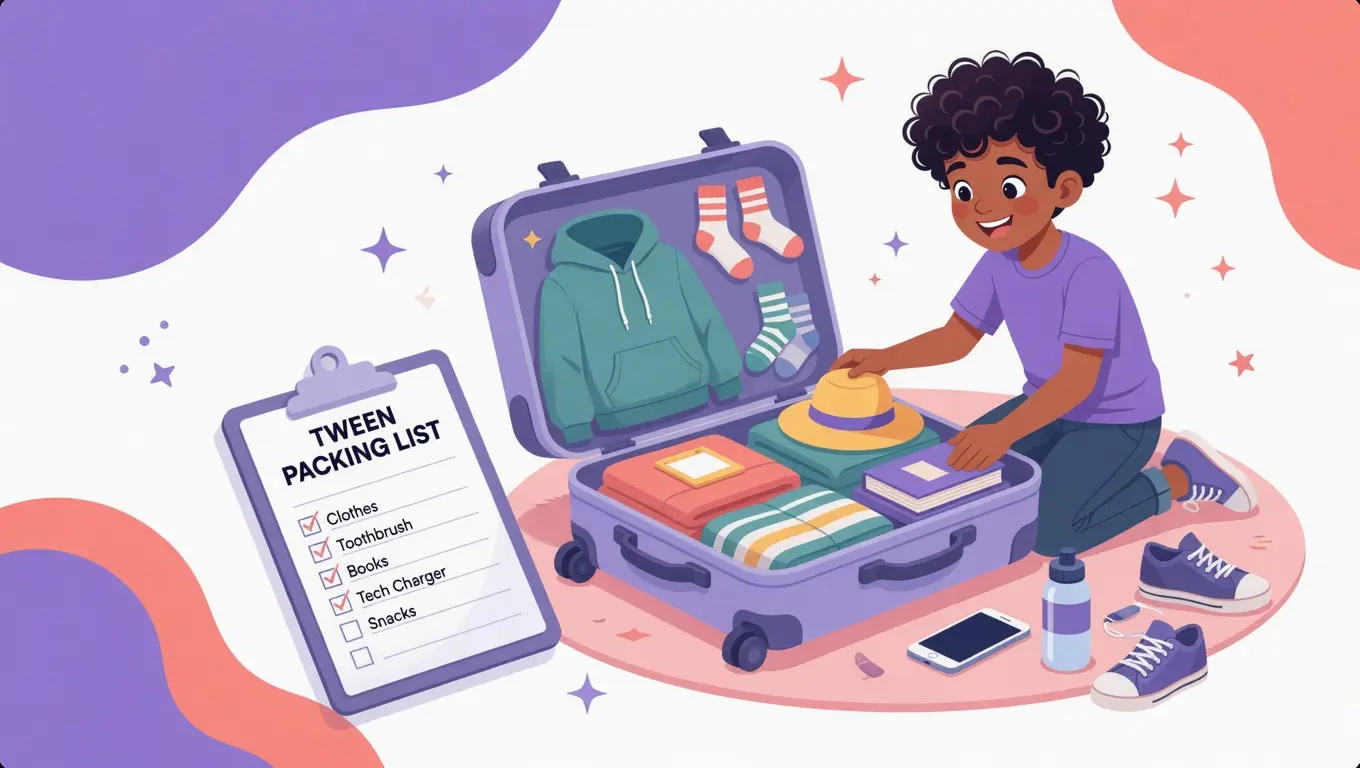
Packing is a complex task that requires executive function. An 8-year-old will struggle if you simply say, Pack for camp. The request is too broad. Instead, provide a written checklist that categorizes items by type and activity. For example, create a list with sections such as Daily Essentials, Swim Gear, and Evening Comfort. This logical organization breaks the abstract task into manageable segments, allowing the child to verify their own progress without your constant supervision.
Using a Visual Checklist
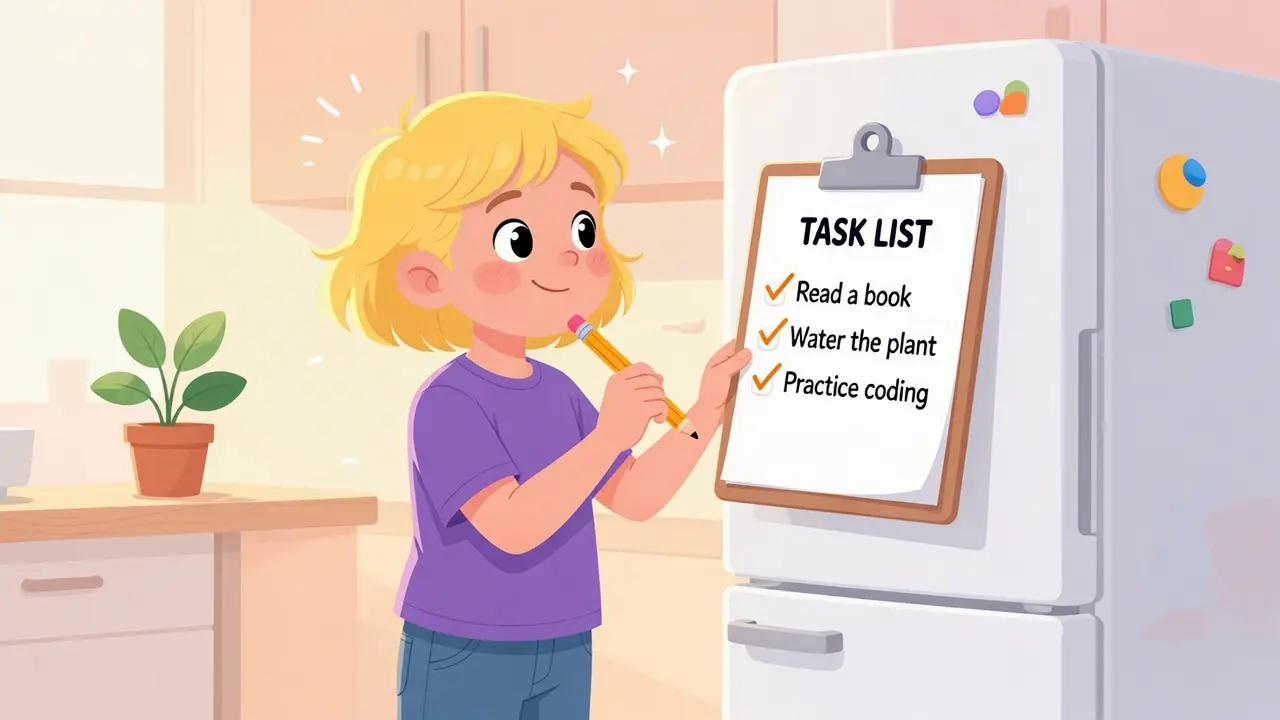
For an 8-year-old, a printed list is an essential tool. As they select each item, have them physically mark it off the list. This check-off action creates a direct link between the item needed and the item packed. It also provides an opportunity to discuss the purpose of each item. If they are packing a swimsuit, ask them when they will use it and where they will store it after it gets wet. This questioning helps them anticipate the usage of their items rather than just memorizing a list.
Navigating the Challenges of Independence
It is common for an 8-year-old to forget items or pack things they do not need. Resist the urge to fix their bag when they are not looking. If they pack a heavy winter sweater for a beach trip, let them experience the consequences of their choice. They will learn more from arriving at the destination and realizing their gear is inappropriate than they will from your pre-emptive correction. Use these moments to ask reflective questions: Does your current gear match the activities you are planning for this week?
Practical Steps for Parents
- Define the parameters. Start by discussing the itinerary. Ask your child what activities they expect to do, and have them list the necessary gear for those activities. This helps them understand the causal link between activity and equipment.
- Store items where they are accessible. Ensure your child knows exactly where their camp gear and travel clothing are kept. If they have to search through closets to find their items, their focus will shift to finding rather than packing.
- Model the process once. Walk through the packing process one time with them, narrating your own decisions. For example, explain why you choose to pack certain items in a smaller, separate bag for easy access. After this demonstration, step back and allow them to pack the remainder of the bag independently.
- Avoid the last-minute rush. Give them ample time to complete the task over two or three days. Packing under pressure prevents the calm, reflective thinking that builds genuine competence. If they have to pack everything in an hour, they will rely on you to tell them what to do rather than thinking it through for themselves.
Building Long-term Competence
Your role is to build a predictable system and then give your child the space to operate within it. By focusing on the logic of what is packed and why, you help your child develop the ability to manage their own requirements for travel and activities. As they gain experience, they will naturally refine their own packing strategies, becoming more capable and thoughtful with every trip. The goal is not a perfectly packed bag, but a child who understands how to prepare for their own success.