History Exploration for a 7th Grader
Transforming Travel into History Investigation
Summer travel offers a potent alternative to the textbook-heavy history instruction 7th graders experience during the school year. By middle school, students possess the analytical capacity to move beyond passive observation and engage with history as an interpretative discipline. Instead of treating museums and historic sites as tourist stops, parents can guide their 7th grader to approach these locations as researchers investigating primary sources.
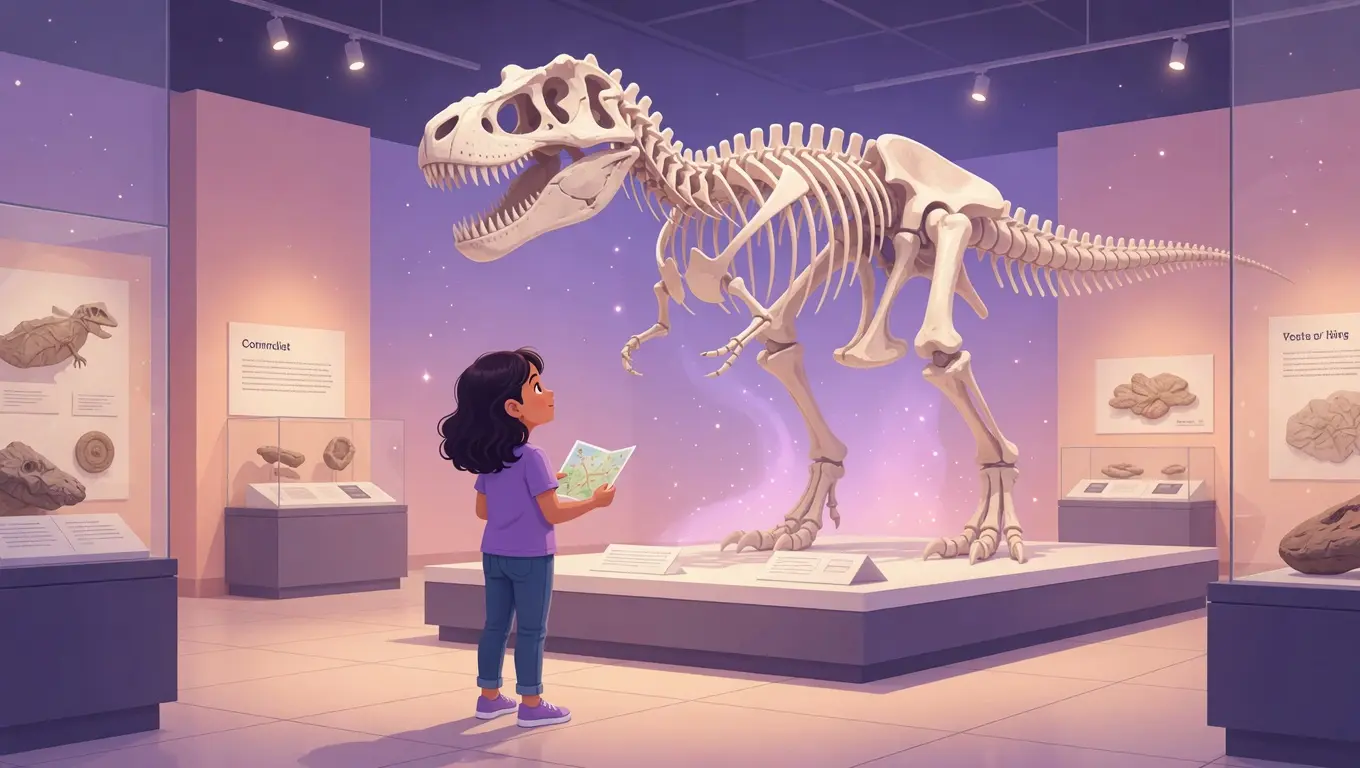
Museums as Data Sets
When visiting a history museum, shift the dynamic from viewing exhibits to collecting data. Task your 7th grader with focusing on a specific era or theme that connects to their current curriculum. Ask them to locate three artifacts that provide evidence about the daily life or political climate of that period.
This exercise requires the student to read informational plaques, analyze visual evidence, and synthesize findings into a coherent narrative. If they observe a conflict between two exhibits or information sources, encourage them to investigate why these discrepancies might exist. This teaches the nuance of historiography and the importance of cross-referencing sources, essential skills for their future academic work.
Historic Sites and Contextual Analysis
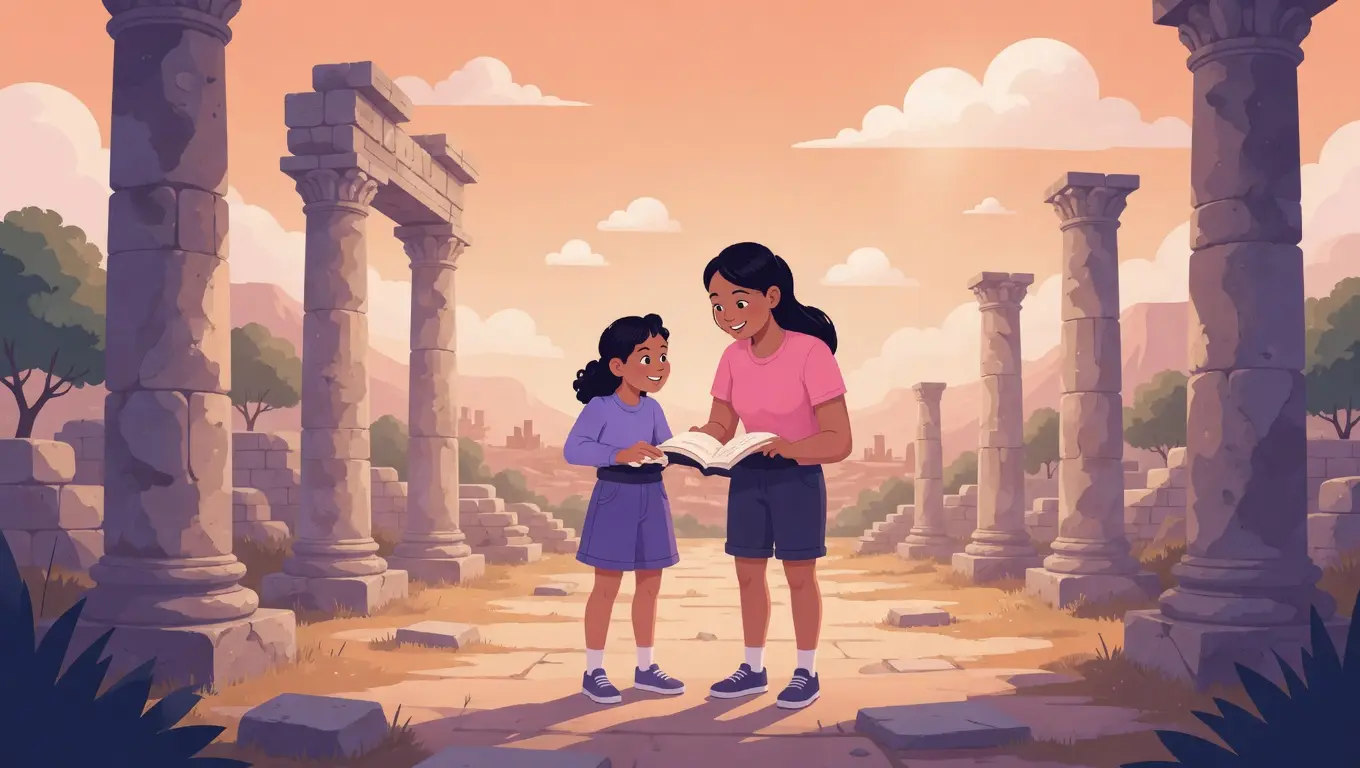
Visit historic homes, battlefield sites, or local landmarks with an eye toward causal analysis. Instead of listening to a standard guided tour, ask your 7th grader to identify the geographic or strategic factors that influenced the location of the site. How did the environment dictate the design of this home, or why was this position chosen for a fort?
This encourages students to see history as a series of cause-and-effect relationships rather than a static list of dates and names. If they struggle, ask them to identify one environmental or strategic constraint and speculate on how the inhabitants or historical actors would have managed it. This engages their spatial reasoning and causal thinking, helping them bridge the gap between abstract historical events and physical reality.
The Role of the Investigative Parent
Your role is to act as a partner in inquiry. Avoid providing the answers or offering simplified explanations. If your child asks about a complex historical issue, turn the question back to them: What evidence do you see here that might explain why this occurred? or How might a different group of people at the time have experienced this event?
By facilitating these questions, you respect your child's emerging ability to judge information critically. You are not providing a predetermined conclusion, but helping them develop the tools to form their own interpretations. This approach transforms travel from a series of events into a period of cognitive challenge and intellectual discovery.
Maintaining Academic Momentum
When you return from your travels, encourage your 7th grader to synthesize their findings into a brief presentation or journal entry. Ask them to identify the most significant piece of information they discovered and explain why it matters in the broader context of their history study. This practice of reflection and communication ensures that the insights gained during summer exploration remain vivid and relevant as they prepare for the rigors of 8th grade history. By treating history as an investigative project, you foster the analytical habits that define successful middle school scholars.