
Making Friends at Summer Camp for an 8-year-old
The Social Landscape of an 8-year-old
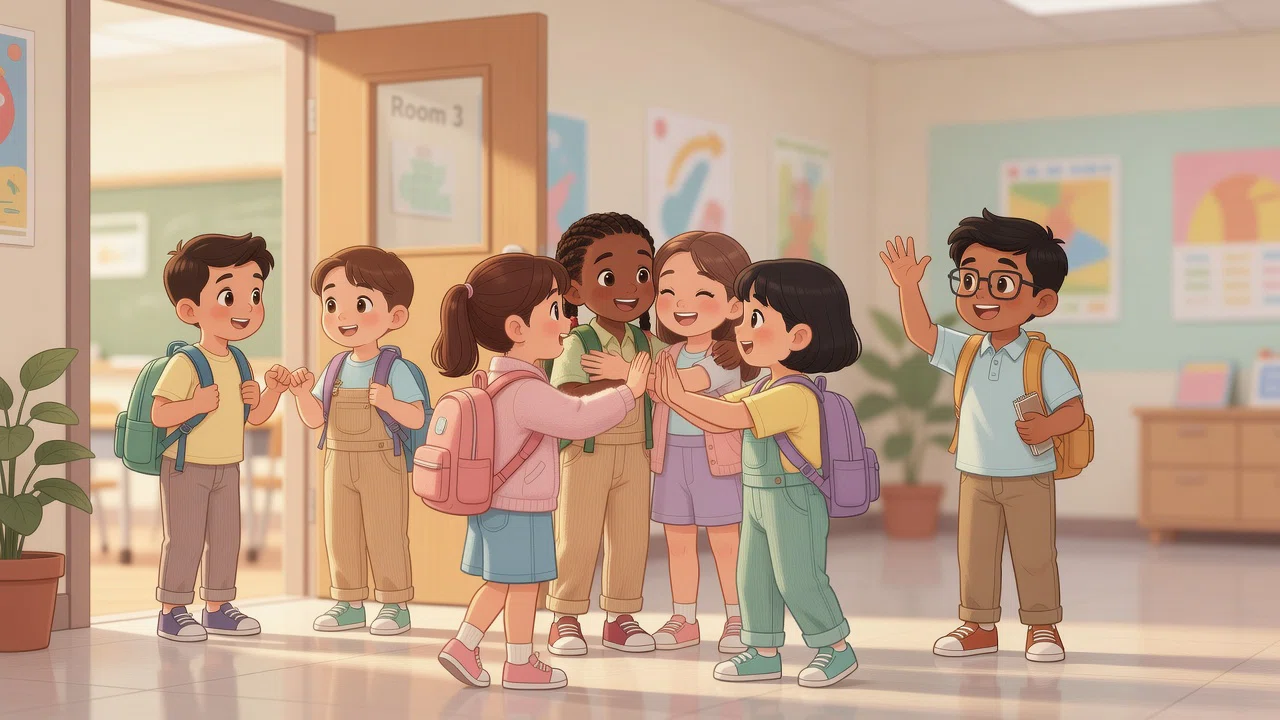
At eight years old, a child is transitioning from parallel play toward more complex, cooperative social interaction. They are beginning to understand that other children have different perspectives, motivations, and interests. When entering a high-energy environment like a summer camp or a crowded community pool, an 8-year-old often faces a paradox. They possess the cognitive ability to initiate conversation, yet they may lack the emotional regulation to handle rejection or the social nuance to join an established group seamlessly.
Unlike younger children who may rely on proximity to form bonds, an 8-year-old seeks shared interest and shared activity as the primary driver for connection. A parent role here is not to force interaction but to provide the tools necessary for the child to evaluate their social environment.
Observing Before Joining
One of the most effective strategies for an 8-year-old entering a new social space is the art of observation. Instead of encouraging the child to jump immediately into a game, teach them to watch the dynamics for three to five minutes. During this period, ask your child to identify specific behaviors. Who is laughing? Who is organizing the game? Is there an opening for a new player?
If you are at the community pool, point out the various clusters of children. Ask your child to describe what the kids are doing. By shifting the focus from the anxiety of joining to the objective task of observing, you lower the stakes. This allows the child to enter the social fray with data rather than pure instinct.
Initiating Interaction Through Functional Requests
An 8-year-old often feels awkward about saying hello to a stranger. Instead of pushing for a direct greeting, suggest they make a functional request or comment about the environment. For example, if at the pool, a child can ask another child, Do you know if the deep end is open? or Which lane is faster?
At summer camp, the shared environment makes this even easier. A child can ask about the rules of a game or where to find a specific supply. These low-pressure questions serve as a gateway to conversation. If the other child responds with more than a one-word answer, the door is open for further inquiry. If not, the child has successfully made a comment without enduring a social rejection that feels personal.
Navigating Peer Exclusion
Rejection is a reality of the social world at age eight. It is critical that parents frame this as a lack of fit rather than a character flaw. If your child approaches a group and is told they cannot join, help them understand the mechanics of that decision. Perhaps the group is in the middle of a complex game with established rules. Perhaps they have hit their limit for players.
Discussing these possibilities prevents the child from internalizing the exclusion as a statement on their own value. Instead, help them practice the pivot. A simple Okay, maybe next time, followed by moving to another activity, displays resilience. Role-playing this specific interaction at home, using a calm tone, prepares the child to handle the moment with composure when it happens in real life.
Managing Expectations
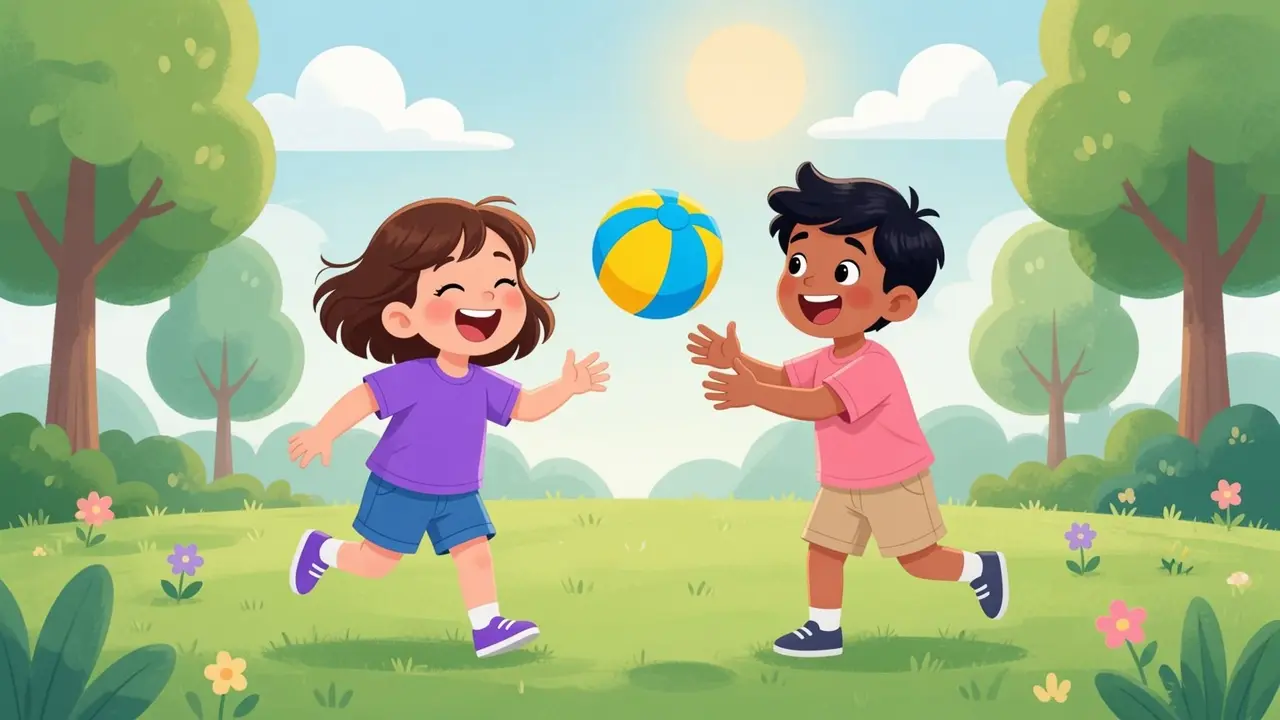
Modern social culture often places immense pressure on children to form instant, deep friendships at every summer event. For an 8-year-old, this is rarely the standard. Most camp friendships are circumstantial, lasting only for the duration of the activity. Remind your child that not every peer at the pool is destined to be a best friend. Some are just playmates for the day. This lowers the pressure to perform and allows the child to enjoy the activity itself without the weight of social expectation.
By focusing on these practical, observable actions, you equip your 8-year-old with the autonomy to build their own social experiences throughout the long summer break.