Navigating Shifting Friend Groups for an 8-year-old
Understanding Social Evolution at Eight
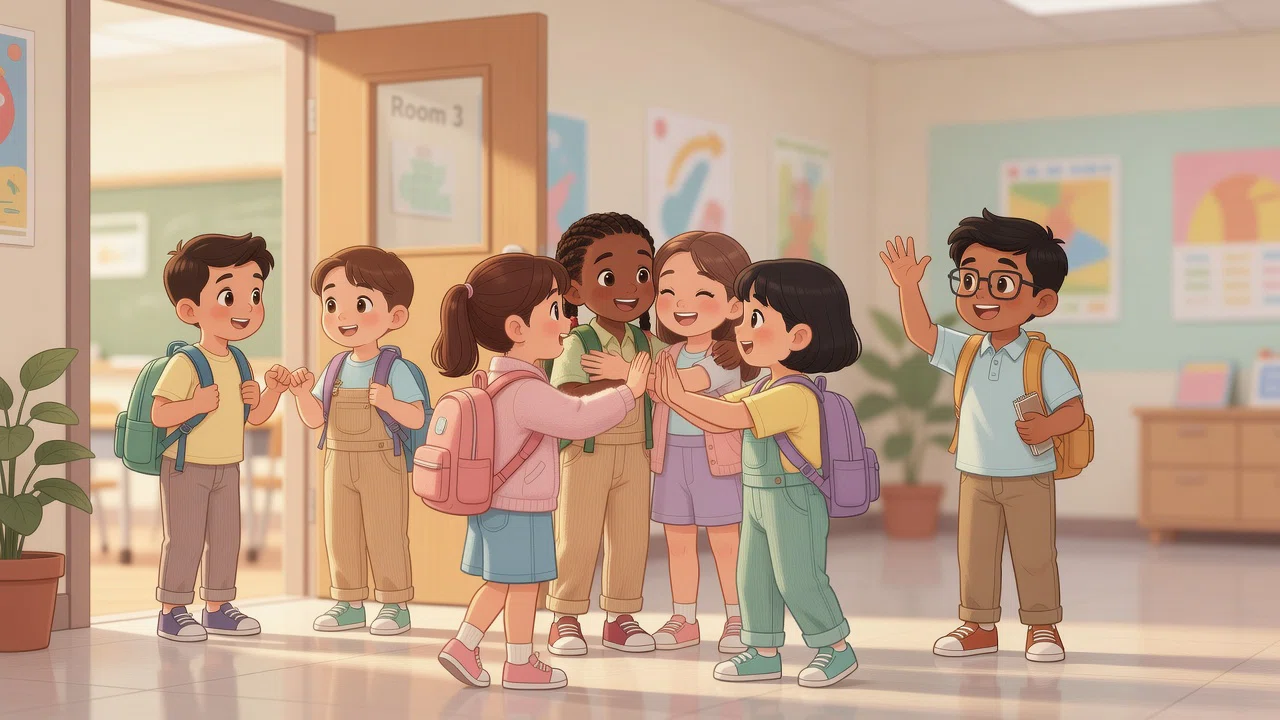
At eight years old, a child is moving beyond the rigid, proximity-based friendships typical of the early school years. They are beginning to select peers based on shared interests, cooperative potential, and mutual trust. When the school year ends, the disruption of daily contact often leads to shifting friend groups. For many children, this feels like an abrupt loss of status or security. Parents must recognize that this shift is a normal developmental process, not a crisis.
At this age, children are testing their ability to influence peer dynamics. They are learning which behaviors sustain a bond and which behaviors cause friction. When groups rearrange over the summer, your child is presented with a valuable opportunity to practice social adaptability.
Identifying the Signs of Social Friction
Because an 8-year-old is highly sensitive to the approval of their peers, they may struggle to articulate why a certain friend group feels different or why they feel excluded. Look for signs that your child is over-relying on a specific friendship or experiencing distress when that friend chooses another activity. Is your child obsessive about maintaining the exact social structure from the school year? Do they express anger or sadness when a peer declines an invitation in favor of someone else?
Observe how your child handles these changes. A child with developing social resilience will adapt by seeking new play partners or initiating different types of activities. A child who feels threatened by the shifting dynamic may withdraw or try to force participation, which often creates further distance from peers.
Practical Tools for Perspective-Taking
When your child expresses hurt over a shifting friend group, help them shift their perspective. Instead of focusing on the exclusion, ask objective questions to help them understand the peer perspective. What else might that friend be doing? Is it possible they are interested in a different activity right now? This helps the child move away from the belief that the exclusion is a personal statement on their own value.
Role-play potential scenarios where a friend chooses another group. Ask your child, If you were already busy playing a game and someone else asked to join, what would you say? This exercise allows the child to see that others are also managing their own social boundaries. It frames the shifting group not as a rejection, but as a result of varying choices and interests.
Encouraging Independent Social Exploration
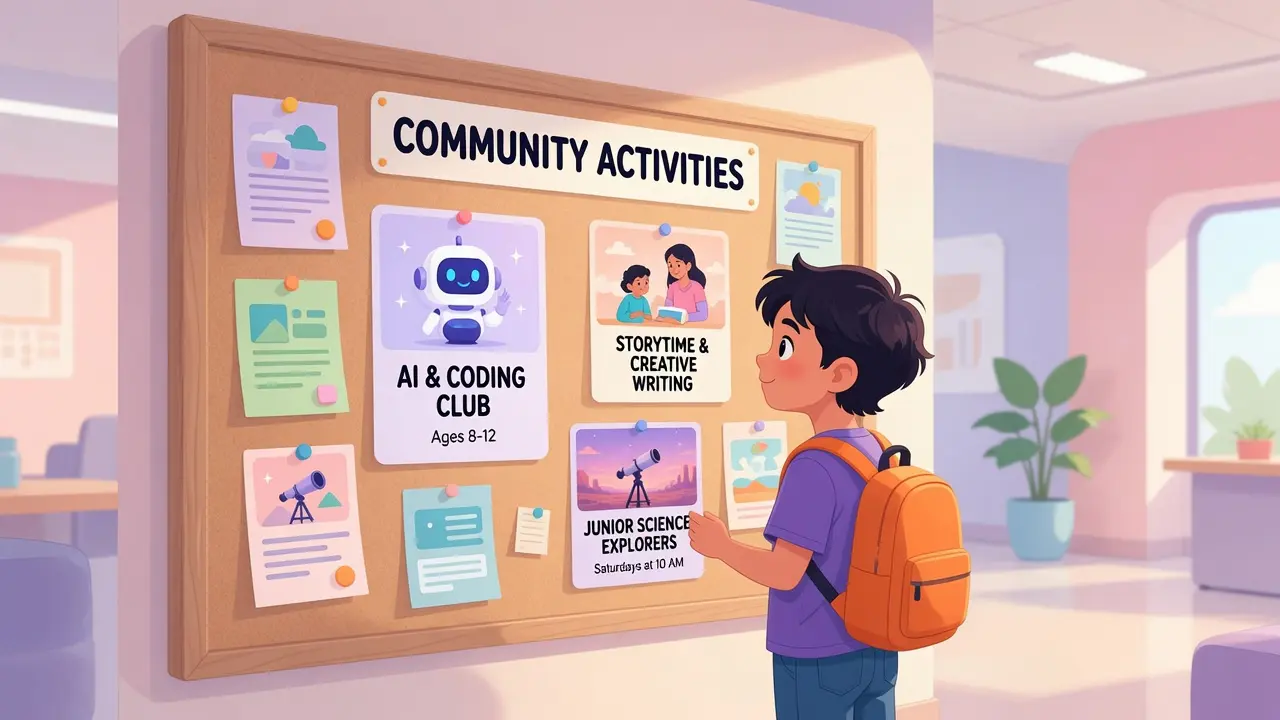
To prevent over-dependence on a single friend group, encourage your child to explore different social circles during the summer. Facilitate experiences that bring them into contact with new peers, such as a specialized craft class, a local neighborhood project, or a hobby-based group. The goal is not to abandon their existing friends but to broaden their social horizon.
When your child interacts with a wider variety of peers, they learn that they possess different roles in different groups. In one group, they may be the leader of a game; in another, they may be a collaborative builder. This variety builds confidence and prevents the child from tethering their entire self-worth to one specific group dynamic.
Normalizing Social Change
Finally, maintain a neutral, observant stance when discussing your child's social life. If they are distressed, validate the feeling while keeping the focus on their agency. Remind them that friendships are not static structures but living, breathing connections that naturally wax and wane. By helping them view social shifts as an expected part of growing up, you provide the tools they need to navigate the world with curiosity rather than fear. Your guidance ensures they learn that they are capable of forming new connections while valuing their existing ones.