Making New Friends as a 12-Year-Old
Understanding the 12-Year-Old Social Landscape
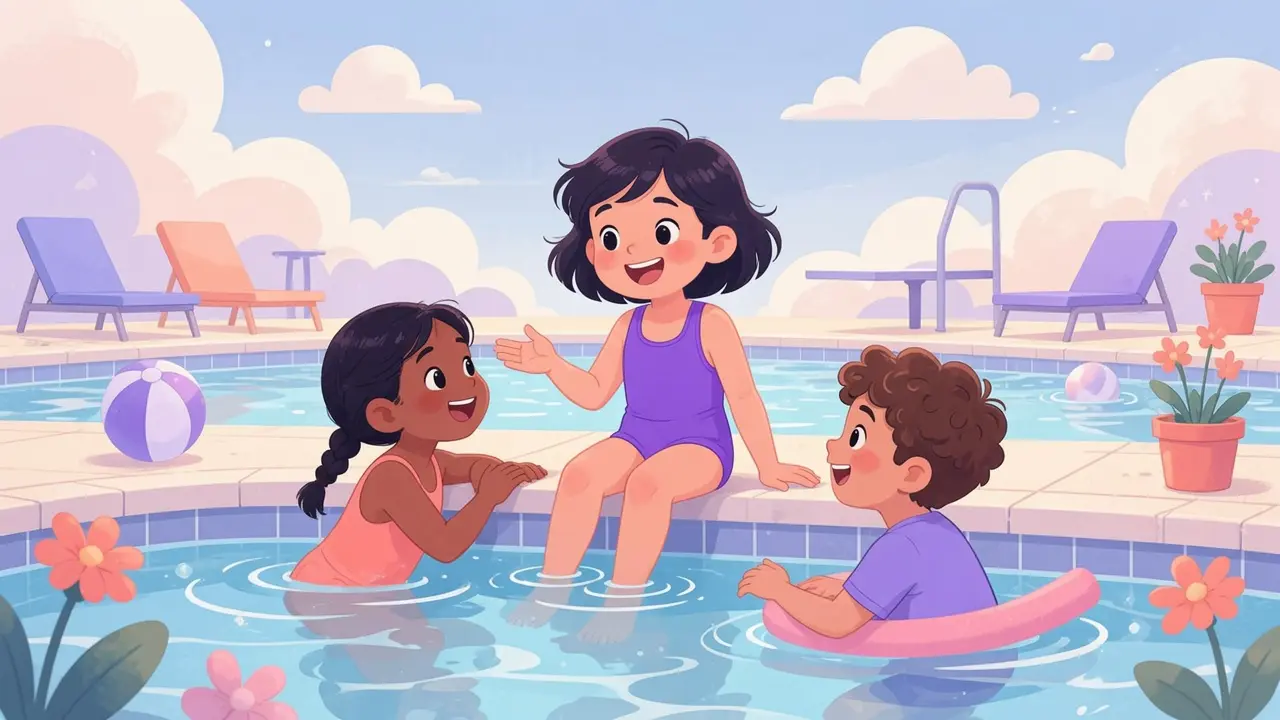
At twelve, children undergo significant developmental shifts. The transition from childhood to early adolescence often brings a heightened focus on peer approval and a desire for independence. While they are capable of abstract thinking, 12-year-olds often feel the pressure of social standing intensely. When you observe your child struggling to join a group at the community pool, understand that they are likely battling internal fears of rejection rather than just a lack of social desire.
Identifying Social Barriers
Many parents assume that being left alone at the pool is purely a matter of temperament. However, a 12-year-old may simply lack the specific mechanics to break into established groups. They might stand on the periphery, waiting for an invitation that rarely comes in the fast-paced environment of a public space. They might also rely too heavily on their phones as a security blanket, which prevents them from making eye contact or offering a simple greeting to potential friends.
Practical Steps for Parents
Instead of simply telling your child to go make friends, provide them with specific social scripts. Help them practice how to ask a peer to play a game or join a group of swimmers. For example, role-play a scenario where they ask, Do you mind if I jump in here, or Is this seat taken? These small interactions lower the stakes and make the act of starting a conversation less daunting.
Encouraging Shared Activities
At summer camps, friendships often form through shared tasks. If your child is struggling to connect, suggest that they look for a peer who is working on a specific project or participating in an organized activity. Cooperation is a natural social lubricant for a 12-year-old. When two children work together to set up a tent or practice a sport, the focus is on the task, which removes the pressure of forced small talk.
Navigating Peer Rejection
Teach your child that not every interaction will result in a lasting friendship. This is a crucial lesson in emotional resilience. If they receive a lukewarm response, encourage them to move on without internalizing it as a personal failure. Frame the event as a natural experimental process: some people will be a great match, and others will not be, and that is acceptable.
Building Independence
Support your child by allowing them to navigate these social spaces with a sense of agency. Avoid interfering unless you observe clear bullying or exclusionary behavior. Trust that your 12-year-old is building the necessary foundation for independent social navigation. By providing tools rather than interventions, you allow them to discover their own social rhythm.