Navigating friend group changes for a 14-year-old
Understanding the 14-Year-Old Social Landscape
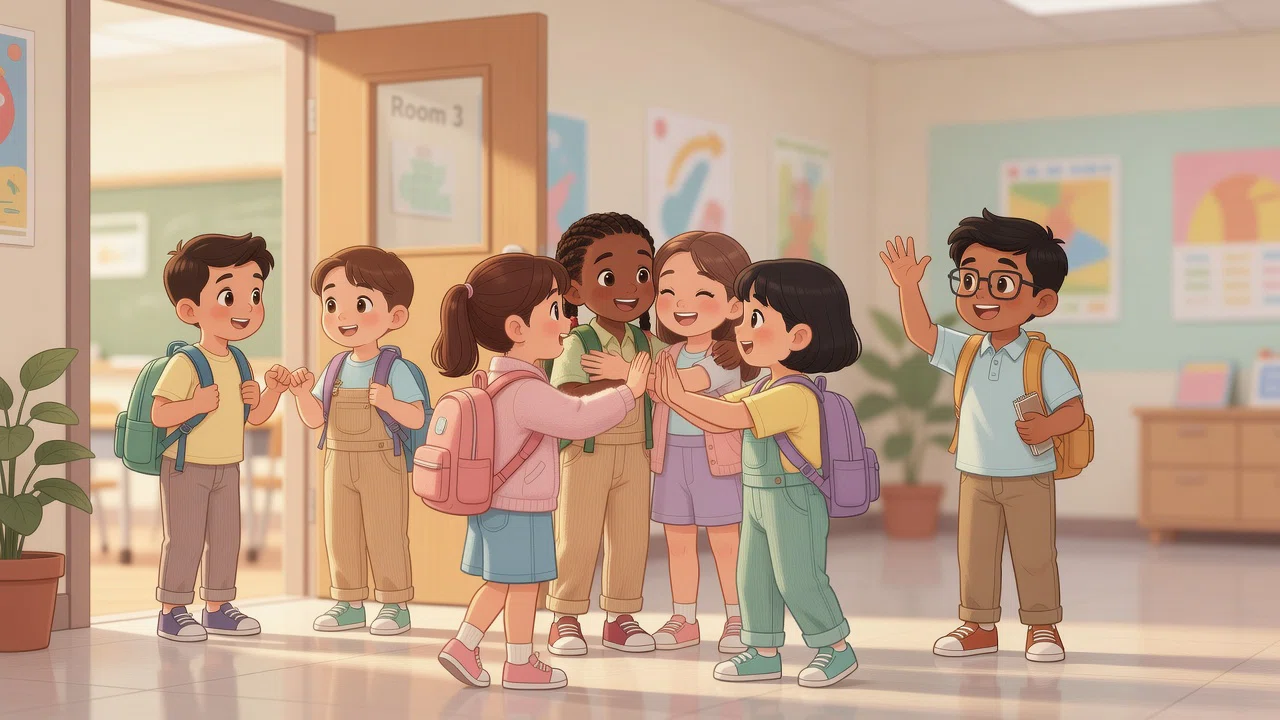
At fourteen, social hierarchies are rarely static. The transition into mid-adolescence often coincides with a reevaluation of peer groups. When the structure of the school year disappears over a long break, the absence of daily proximity can accelerate these shifts. What appeared to be a stable group in June may look different by July. As a parent, observing these changes requires patience and a recognition that social experimentation is a normative part of this developmental stage.
Why Friendships Shift During Breaks
During the school year, proximity acts as a glue for many friendships. When that glue is removed, teenagers often rely on digital communication to maintain connections. However, digital interactions lack the nuance of face-to-face contact. If a 14-year-old finds that their primary interaction with a friend group is limited to gaming or texting, they may begin to notice discrepancies in communication styles or values. This age group is increasingly focused on finding peers who share specific interests, which naturally leads to the divergence of previous cliques.
Practical Ways to Observe and Guide
Instead of intervening directly in your child's social life, focus on creating an environment where they feel comfortable discussing these changes. Use neutral, observational language. If you notice your 14-year-old is spending less time with a long-term peer, ask open-ended questions about how they feel during their time together. The goal is to help them identify their own social needs rather than prescribing a specific path.
Encourage Individual Interest Groups
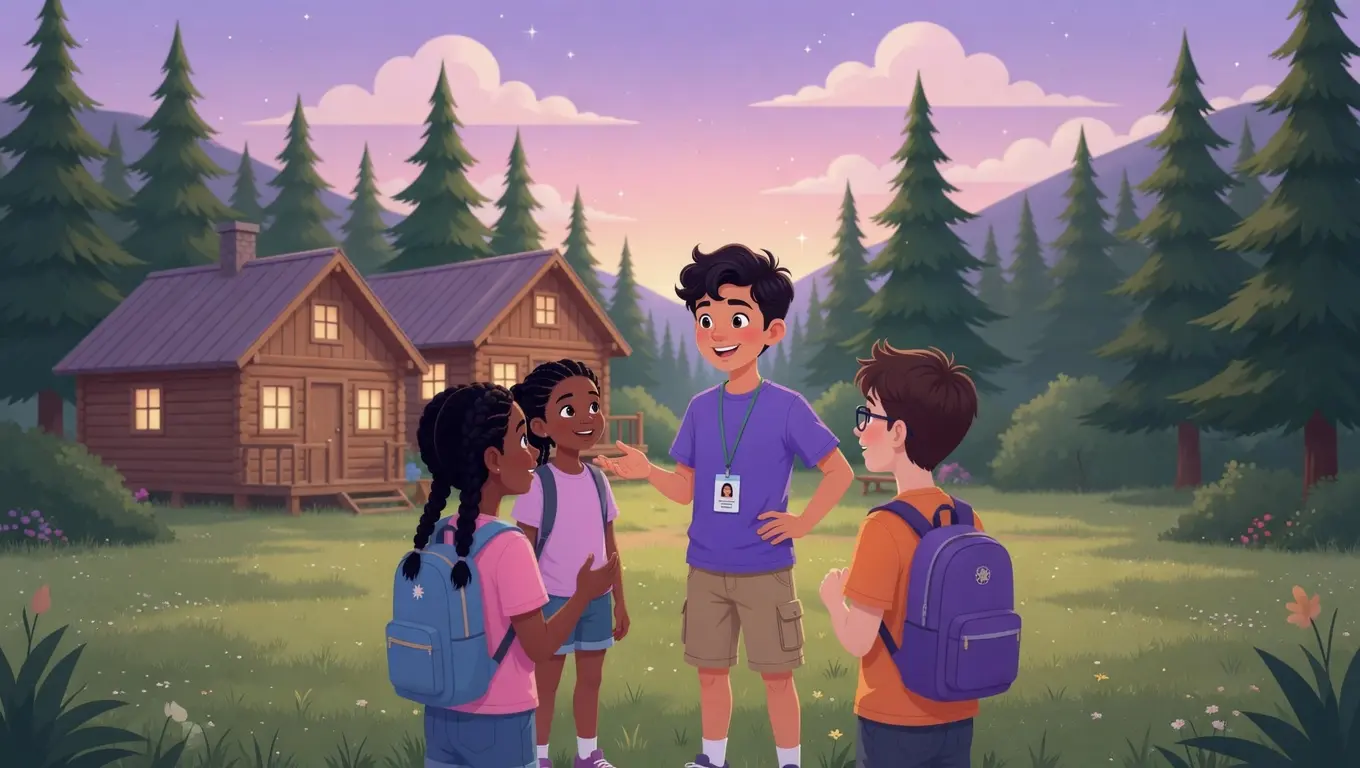
If a child finds their traditional friend group shifting, support their exploration of independent interests. Sign-up for workshops, local community volunteer projects, or specialized clubs that align with their specific hobbies. These environments offer a fresh start, allowing them to encounter peers who share focused interests rather than just proximity.
Model Conflict Resolution
When a 14-year-old experiences friction with a friend, they often lack the tools to address the issue directly. Discuss how to initiate a conversation about expectations. If they feel excluded, help them practice saying something like, I noticed we have not hung out much lately, and I wanted to see if we were still planning on attending that event. This moves the conversation from internal assumptions to observable facts.
Navigating Digital Social Exclusion
Digital exclusion is a reality for many 14-year-olds. If you see your child struggling with group chats or social media dynamics, focus on the logic of the situation. Ask them to consider what they gain from participating in groups where they feel undervalued. Discuss the concept of social energy and encourage them to prioritize interactions that are reciprocal.
Setting Expectations for Summer Socializing
Long breaks are an opportunity for teens to test their social autonomy. You might establish a baseline for house rules, such as informing parents of plans or maintaining specific chore responsibilities, but allow them latitude regarding who they spend their time with. If they choose to spend less time with old friends, monitor for isolation, but recognize that social turnover is distinct from loneliness.
Conclusion
Navigating shifting friend groups is a complex process for a 14-year-old. By focusing on open communication, encouraging independent interests, and teaching them to articulate their social needs, you provide the tools they need to build lasting, authentic connections. Your role as a parent is not to manage their social calendar, but to help them understand the mechanics of their own relationships so they can make informed, thoughtful decisions as they mature.