Navigating Friend Group Shifts for a 10-year-old
The Reality of Shifting Friendships
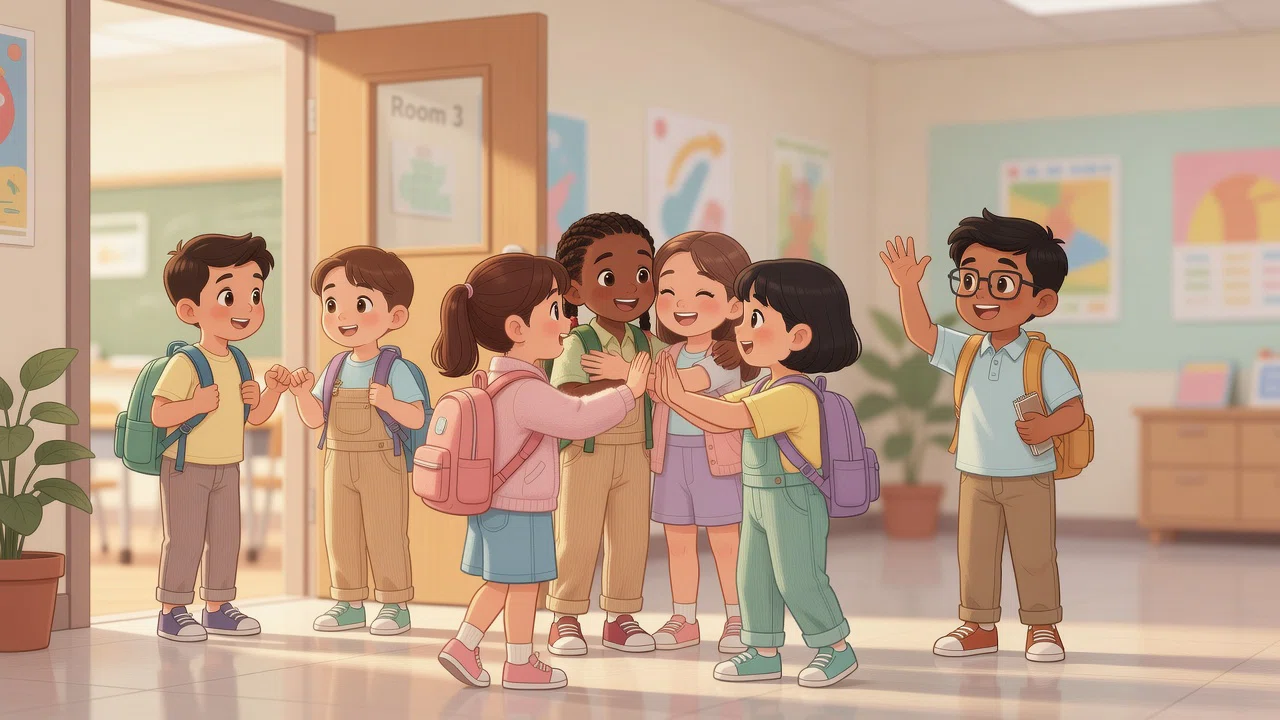
At age 10, the structure of friendship groups often undergoes significant change. As children develop individual interests and social priorities, the groups formed in the classroom may feel restrictive or incompatible. For a 10-year-old, realizing that a close friend is becoming distant or that an established group is changing can feel like a major social loss. Parents often see this as a temporary conflict, but for the child, it is a fundamental shift in their social environment.
Ten-year-olds are beginning to seek more specialized forms of connection. They value shared activities over proximity, which means friends who were once linked by sitting at the same table may drift apart as their interests diverge. This is a normal stage of development, yet it requires guidance to navigate without excessive anxiety.
Observing the Change
Instead of intervening in your child’s social circles, help them observe the changes neutrally. When your 10-year-old expresses confusion about why a friend is spending time with others, ask questions that focus on facts rather than emotions. Instead of, Did they leave you out?, ask, What kind of activities have they been doing lately? or How has your time with them changed over the last month?
By helping your child identify these patterns, you remove the sting of personal rejection. They can see that the change is about evolving interests rather than a failing of their own character. This perspective allows them to move from a position of victimization to one of social assessment.
Pursuing New Connections
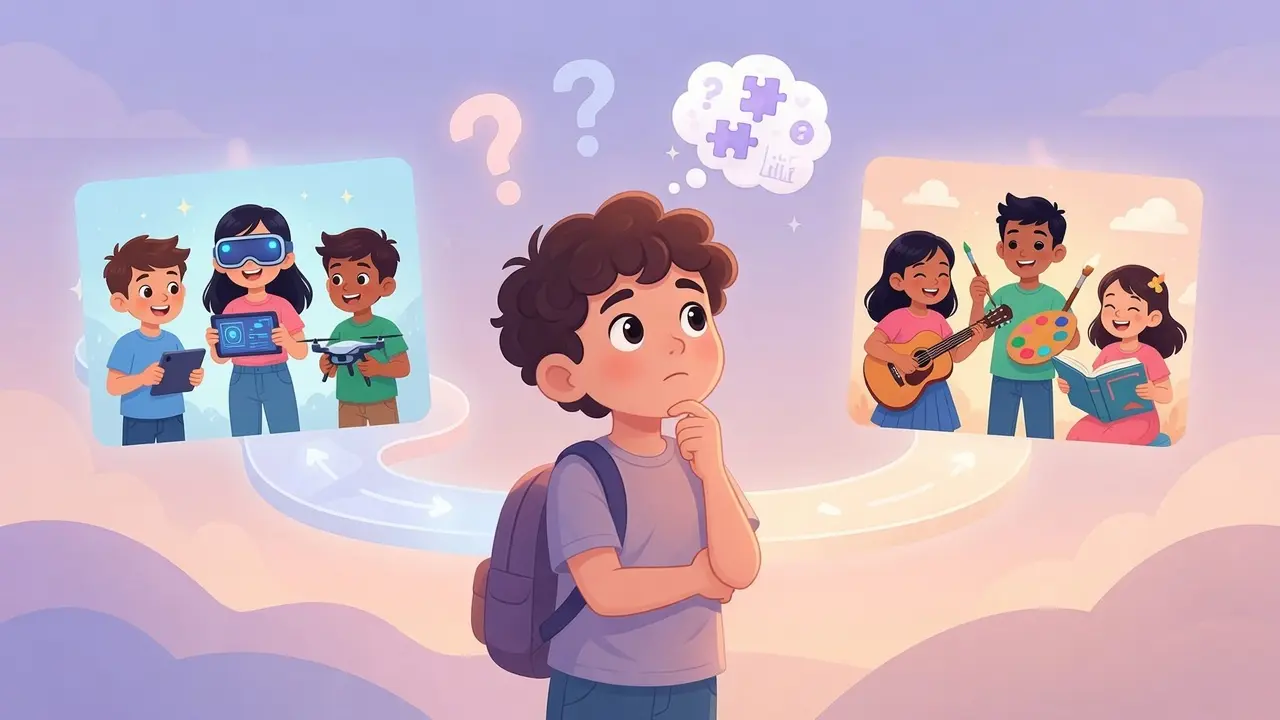
When friend groups shift, the most effective response is for the child to invest in their own passions. If your 10-year-old loves building, sports, or music, encourage them to pursue these interests outside of their current social circle. When they enter new environments, they become open to new peer groups that align with their current self-identity.
Suggest that they try an activity that they have been hesitant to join because their previous group was not interested. This is an excellent way to test new social waters. You are not asking them to abandon old friends, but to build a broader social portfolio that is not dependent on a single group of peers.
Collaborative Problem Solving
If your child is experiencing friction with a specific friend, help them conduct a collaborative experiment. If they feel that they are always the one initiating, suggest that they take a week to see if the friend initiates back. If the friend does not, it is not a reason for anger, but it is information. It helps your 10-year-old determine where they want to invest their emotional energy.
Teach them to have low-stakes conversations about these changes. If they notice their friend is interested in something new, encourage them to ask questions about it rather than pulling away. This maintains the bridge of communication even if the two children are not spending every afternoon together. By focusing on the "why" behind the change, you help your child maintain control over their social experience even as groups shift.