Navigating Shifting Friend Groups at 12
The Dynamics of Shifting Social Circles
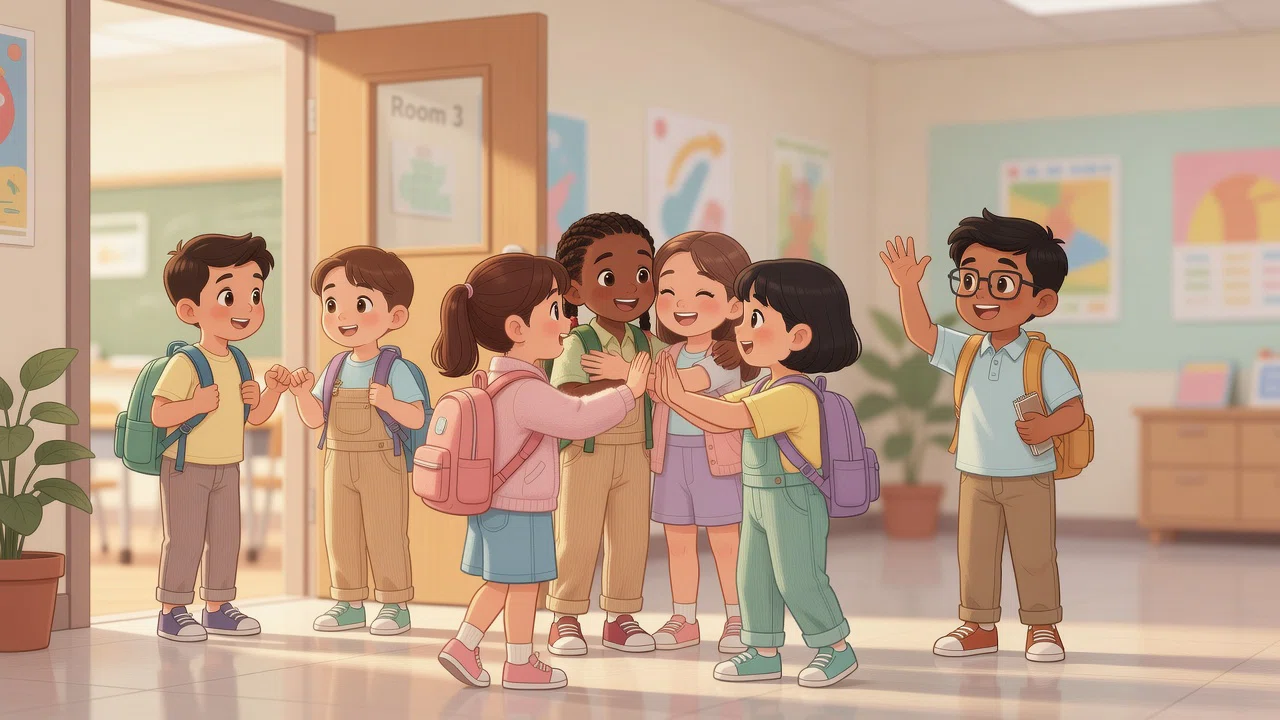
At twelve, friend groups are not static. The transition into early adolescence often sees a rapid realignment of social priorities. Children are beginning to define themselves through interests, personality, and values rather than mere proximity. When the long school break arrives, this process does not pause; instead, it accelerates. Without the daily glue of the classroom, many 12-year-olds find that their once-stable social circle is suddenly fractured. This shift can cause significant distress as your child attempts to understand their place in a group that seems to be changing without their input.
Understanding the Why Behind the Drift
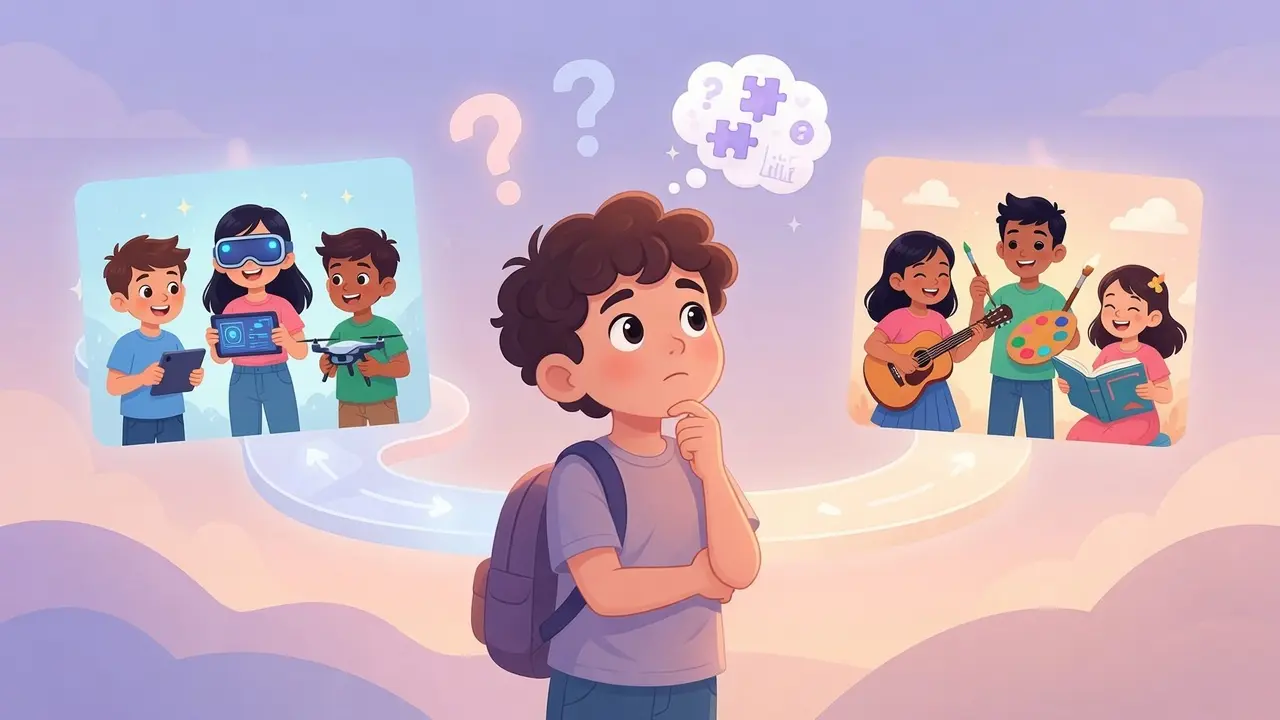
Recognize that social drifting at this age is rarely a malicious act of exclusion. Instead, it is an often unconscious process of social pruning. As a 12-year-old begins to explore different hobbies or identity markers, they naturally gravitate toward peers who share those emerging characteristics. When your child feels left behind, it can be helpful to frame the change as a developmental experiment. The goal for your child is not to cling to the past, but to understand who they are becoming and to find peers who align with that new reality.
Observing Social Patterns at Home
Watch for signs that your child is struggling with their social narrative. They might spend more time analyzing group dynamics on social media, become unusually quiet, or express frustration when plans with old friends are canceled. Approach these observations with curiosity. Instead of asking why friends are drifting away, ask questions about what your child values in their interactions. What activities make them feel most like themselves? Which peers do they feel most comfortable sharing ideas with? This inquiry helps your child articulate their own needs beyond the pressure of the existing group.
Practical Support for Social Reorientation
Do not force a restoration of old friendships. If a group has evolved, forcing an interaction may only exacerbate your child's feelings of inadequacy. Instead, encourage them to initiate new, low-stakes activities. If they are interested in robotics, find a local makerspace class. If they like sports, suggest a pickup game at a local park. By putting your child in a position to encounter new peers, you provide the space for them to build a social circle that is consistent with their current interests. This is an active step toward independent social navigation.
Managing Conversations About Change
When your child expresses hurt over a shifting friend group, validate their feelings without validating the idea that their worth is tied to the group. Explain that social change is a constant in life, particularly at twelve. Offer your ear, but avoid the urge to fix it by contacting other parents. Collaborative problem-solving involves asking your child what they think they can do to resolve their frustration. Would reaching out to a different friend be a viable option? Is it time to explore an activity they have been putting off?
Building Resilience in the Gap
Help your child learn to sit with the discomfort of social change. The time between leaving one group and finding another can be isolating, but it is also a period of growth. During this time, emphasize the importance of non-social identity. What can your child accomplish on their own? Whether it is learning a new skill, reading, or working on a personal project, these efforts provide a source of stability that is independent of their social standing. When a child learns to rely on their own interests, they become more attractive to potential new peers, as they are bringing a unique sense of self to the interaction.
Actionable Steps for the Parent
- Facilitate new environments: Provide the logistical support needed to get your child to new clubs or activities where they can interact with different peers.
- Model independent perspective: Share stories of how your own social circles have evolved over time, emphasizing that such transitions are both difficult and normal.
- Encourage specific outreach: Help your child identify one person they have always wanted to know better and support them in creating a reason for a brief, low-pressure interaction.
By staying grounded and objective, you provide your child with the security they need to navigate the often chaotic social shifts of middle school. You are teaching them that while friends may come and go, their sense of self remains anchored in their own interests and actions.