Navigating Shifting Friend Groups for Your 11-Year-Old
The Dynamic Nature of 11-Year-Old Friendships
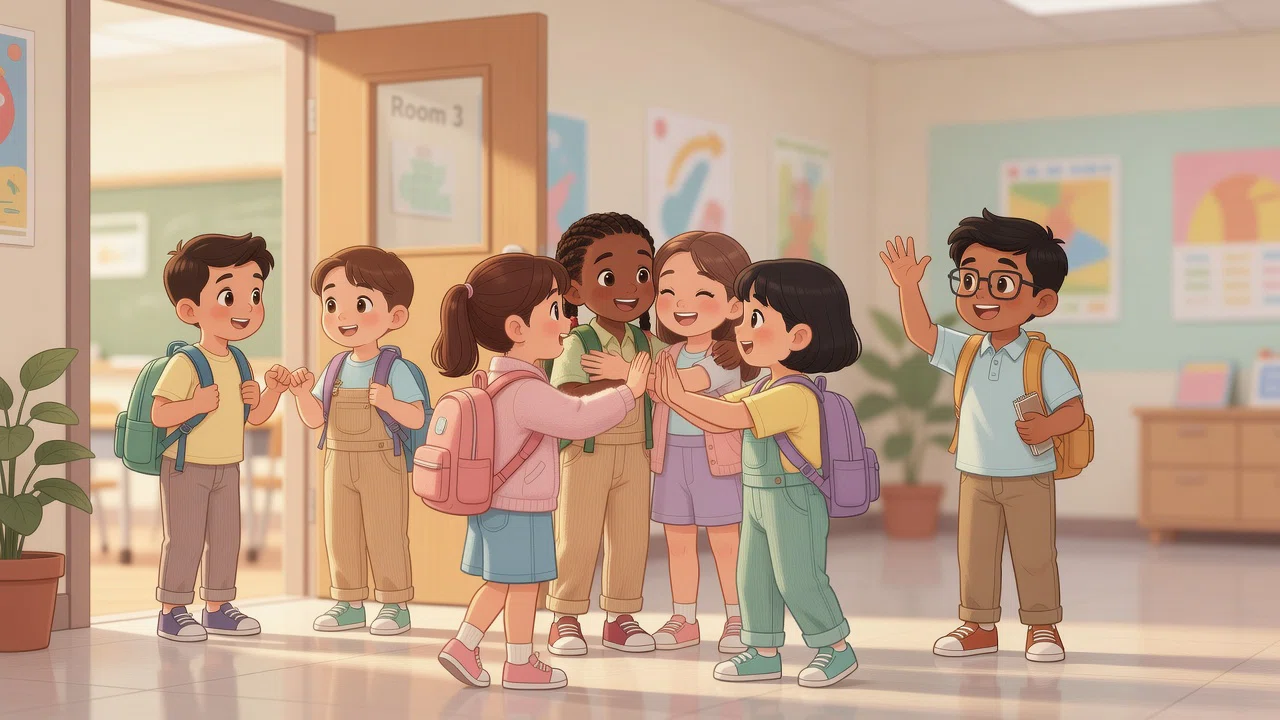
At 11, the social world is in constant motion. Friendships that felt permanent in the classroom can shift rapidly when the constraints of school disappear. For the 11-year-old, this is often the first time they experience the fluid nature of peer groups. Understanding that this evolution is a normal part of development is essential for parents who wish to provide steady support without overstepping.
Why Friend Groups Change
Changes in friend groups at 11 are rarely accidental. They are usually the result of shifting interests, different summer schedules, or the natural sorting of personalities as children move closer to early adolescence. When an 11-year-old is excluded from a group or finds themselves drifting away, they often perceive it as a personal failing rather than a change in social logistics. The preteen brain is highly sensitive to peer rejection, and they may lack the distance to see these changes as anything other than a crisis.
Identifying Indicators of Social Strain
Parents can look for specific behaviors that suggest their child is processing a shift in their friendship dynamic:
- Decreased enthusiasm for activities that used to include a specific friend.
- Verbalizing feelings of confusion when they are not included in a spontaneous plan.
- Increased focus on their own perceived faults or social deficits.
- A sudden desire to change their personal style or interests to fit a new group.
- Reluctance to discuss social plans for the upcoming week.
Practical Strategies for Parental Support
When your child experiences these shifts, frame the situation as an opportunity to practice emotional agility and critical thinking.
Normalize the Change
Explain that friend groups at 11 are often defined by proximity and routine. When those variables change, the group naturally adapts. Help your child observe this objectively: Who is doing the same things they were doing a month ago? Who has found new interests? This shifts the focus from an internal assessment of their own value to an external assessment of the facts.
Facilitate Self-Directed Interest
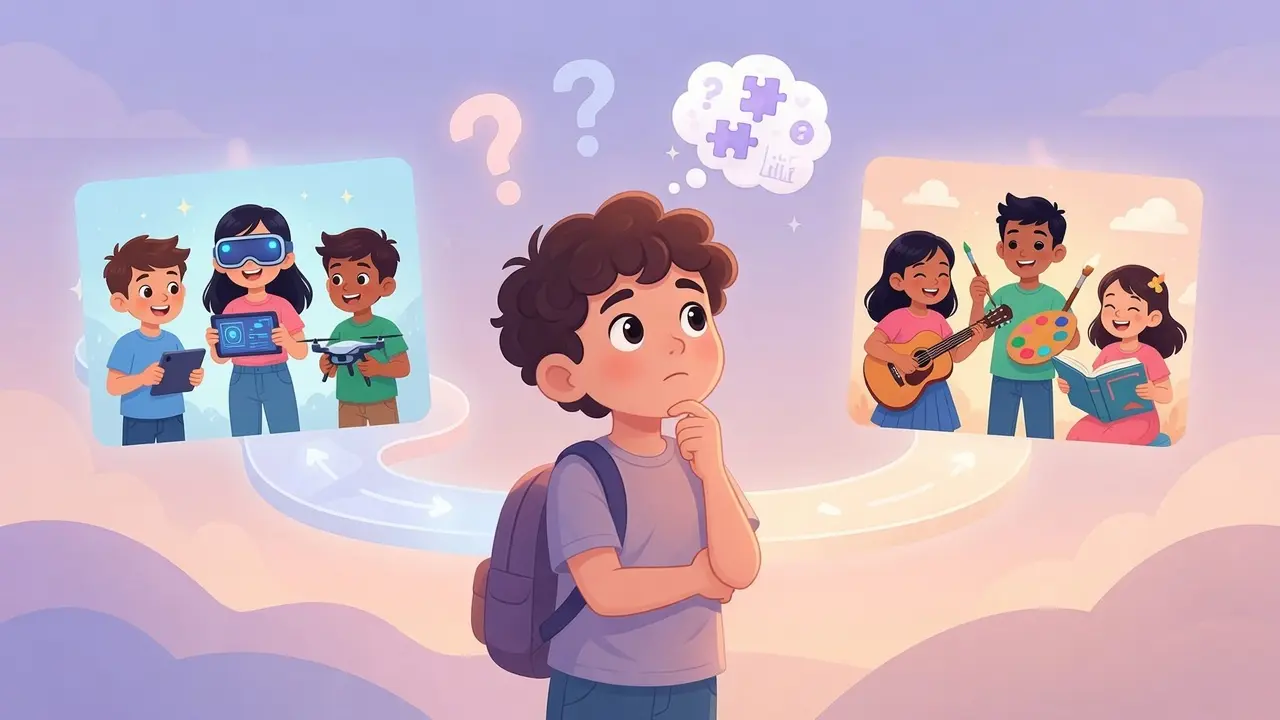
Encourage your child to pursue an interest that is independent of their current friend group. If they join a local hobby group, a sports team, or a club, they create new opportunities for connection that are not contingent on their old peer circles. This builds a foundation of confidence that makes the loss of a specific friend feel like a redirection rather than an end.
Use Collaborative Problem-Solving
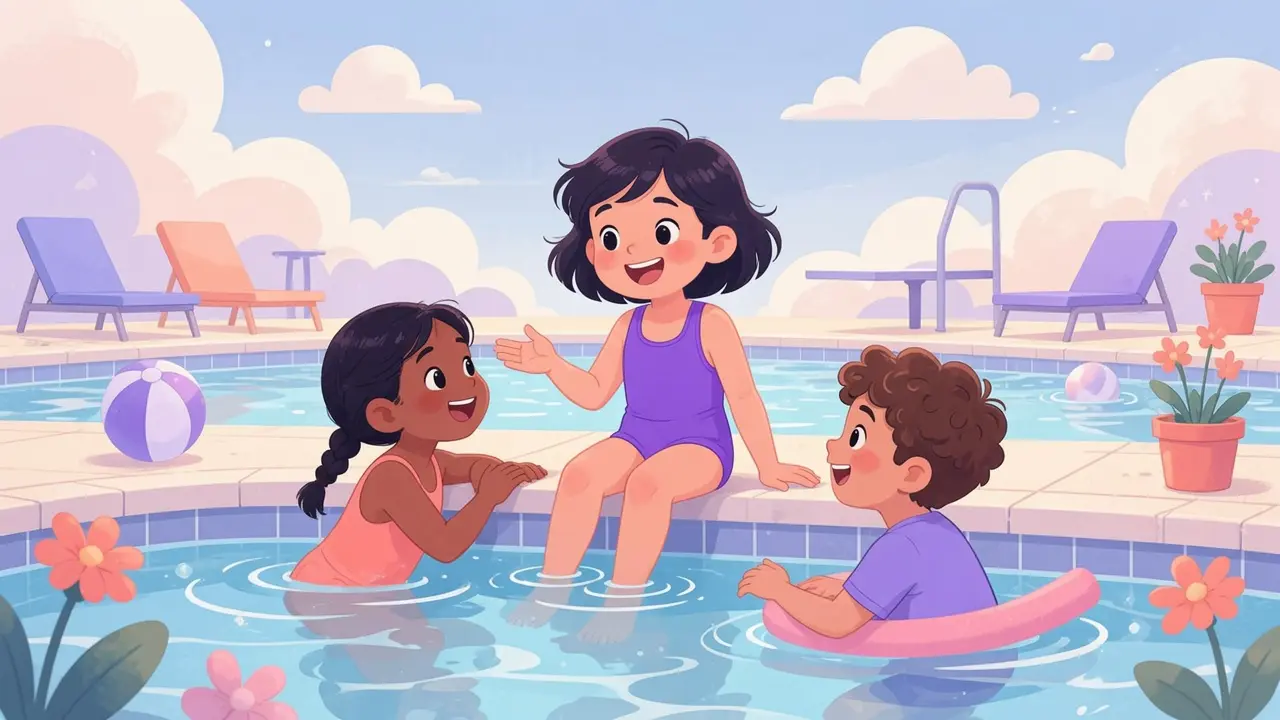
If your child is distressed about a specific exclusion, help them identify the cause-and-effect. Ask: Is this a group that shares your current interests? How would you like to handle the interaction if you see them at the pool? By treating social challenges as tactical problems to be solved, you help your child move past the emotional sting and toward a logical resolution.
Model Resilience
Demonstrate how you manage your own social changes. Discuss how you maintain connection with friends despite busy schedules or how you navigate changes in your own social circle. This shows your child that managing shifting relationships is a lifelong skill, not something they will eventually grow out of.
Concluding Thoughts
Supporting an 11-year-old through shifting friend groups means helping them see that their identity is not defined by a single circle of peers. By focusing on personal interests and maintaining perspective, you equip them with the resilience to navigate these changes and move forward into new, more meaningful connections.