Packing bags for an 11-year-old on summer trips
Moving toward travel independence
At 11 years old, your child is developmentally ready to assume full responsibility for packing their own gear for summer camps or family vacations. This task moves beyond simple item collection into the realm of planning for future needs. By allowing your child to own this process, you help them understand how to evaluate their own requirements and prepare accordingly for different environments.
Using a structured checklist
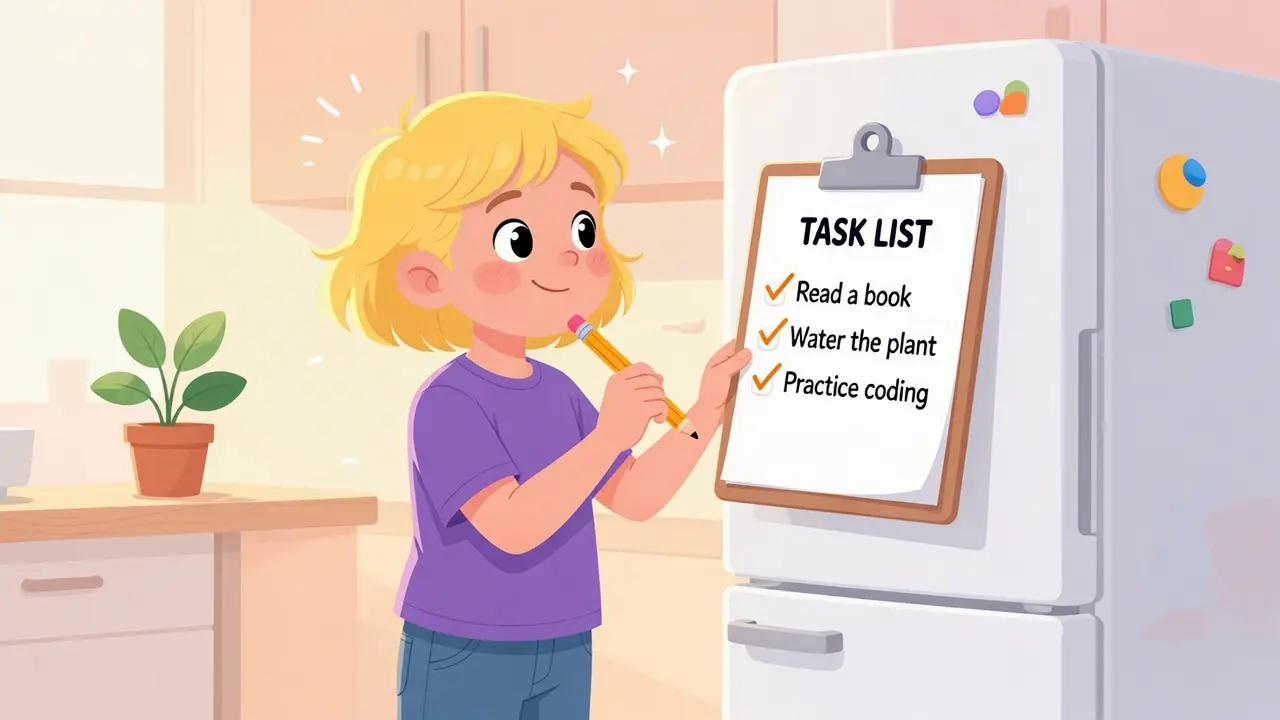
Do not rely on verbal reminders. Provide your 11-year-old with a comprehensive packing checklist that covers everything from clothing and toiletries to specialized gear. Sit down with them before they start to review the list together. Ask them to explain why certain items are necessary. For instance, why do they need an extra pair of socks or a flashlight? This turns the packing process into a logical evaluation of the upcoming experience rather than a mindless collection of objects.
Categorizing items for efficient packing
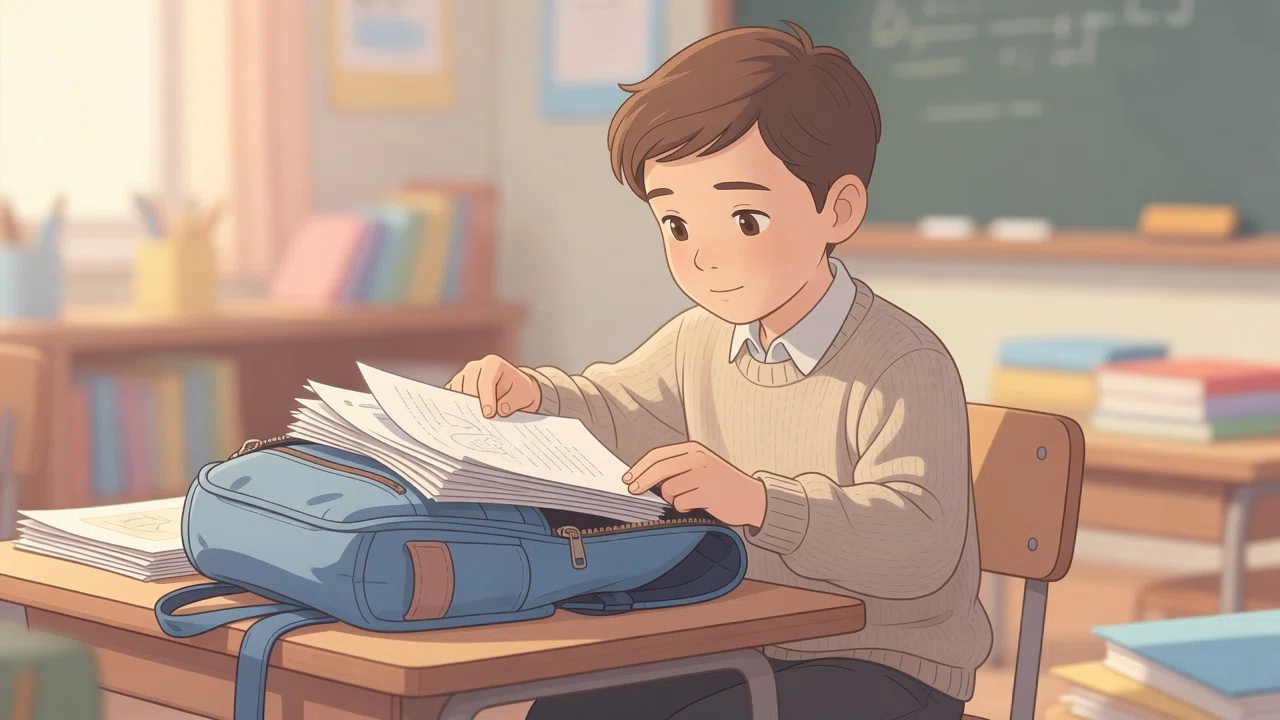
Teach your child to categorize their items to make packing manageable. Suggest they group belongings into distinct categories: clothing, toiletries, gear for activities, and entertainment. Encourage them to use separate bags or organizers for these categories. This prevents the chaos of digging through a single large bag to find small items. When they see their belongings organized by function, they are more likely to notice if something is missing before they leave.
Planning for specific scenarios
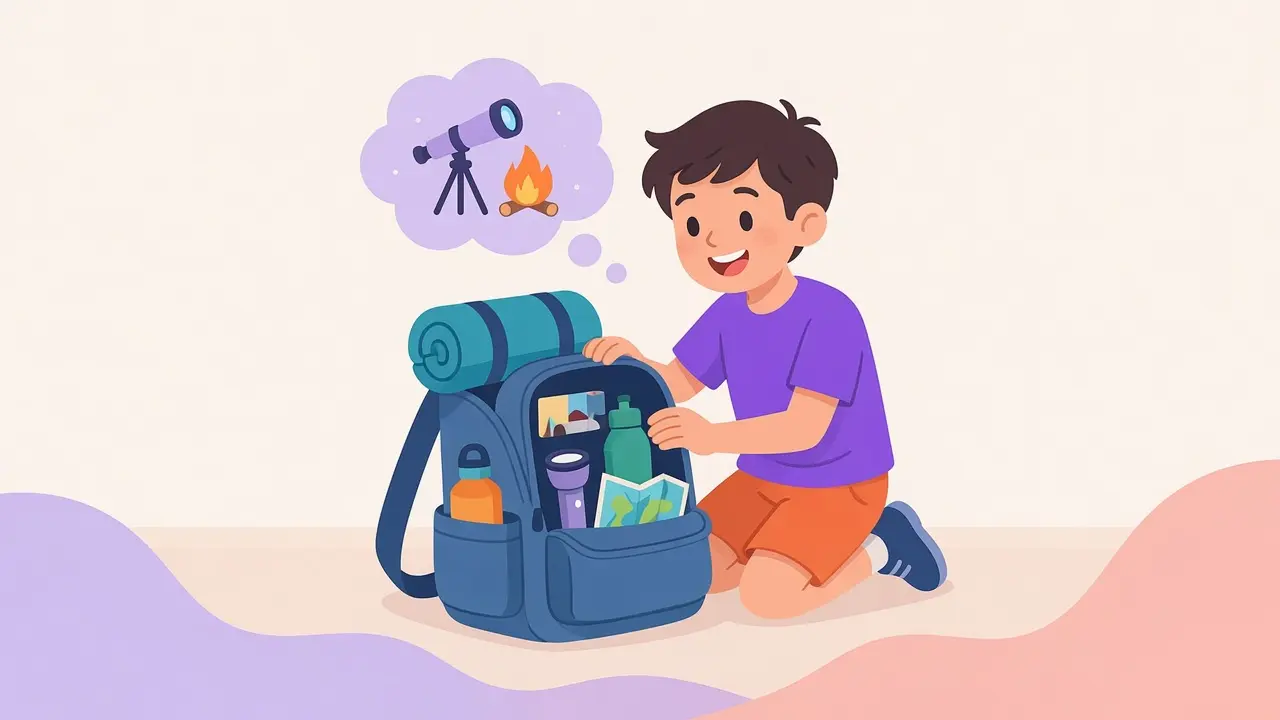
Help your 11-year-old think through the specific requirements of their trip. If they are going to camp, what items do they need for outdoor activities compared to downtime? If it is a family trip, what will they need for the car ride or the airplane? Pose these questions to them before they begin packing. This forces them to anticipate the flow of their days. If they realize they need a specific book for travel or a particular jacket for the camp, they will have the forethought to include it in their bag.
The reality of the forgotten item
Your 11-year-old will eventually forget to pack something. This is a natural, low-stakes consequence. If they realize they forgot their favorite hat or extra sunscreen upon arrival, do not rush to replace it immediately if they have a functional alternative. Let them experience the minor inconvenience of missing an item. Discuss it afterward, asking them to consider where they missed a step in the checklist process. This is the most effective way to refine their organizational skills for future trips.
Evaluating readiness after packing
When they believe they are done, ask them to demonstrate their readiness by walking you through their bag contents. Have them show you that they have packed everything on the list. If an item is missing, let them identify it and solve the problem of where to pack it or how to replace it. This final review solidifies the lesson that they are in control of their own success. When you consistently step back and allow them to manage their own packing, you communicate that you trust their ability to prepare for their own adventures.