Packing for summer camp as a 9-year-old
The importance of autonomy in packing
At age nine, children are capable of managing the logistics of their own belongings. When a parent packs a bag for a child, the child misses the opportunity to understand the relationship between their needs and the items required to meet them. Packing for summer camp or a family trip is a concrete, high-stakes exercise in personal competence. The goal is to move the child from a state of relying on a parent to verify their inventory to a state of self-reliance.
Using a master checklist
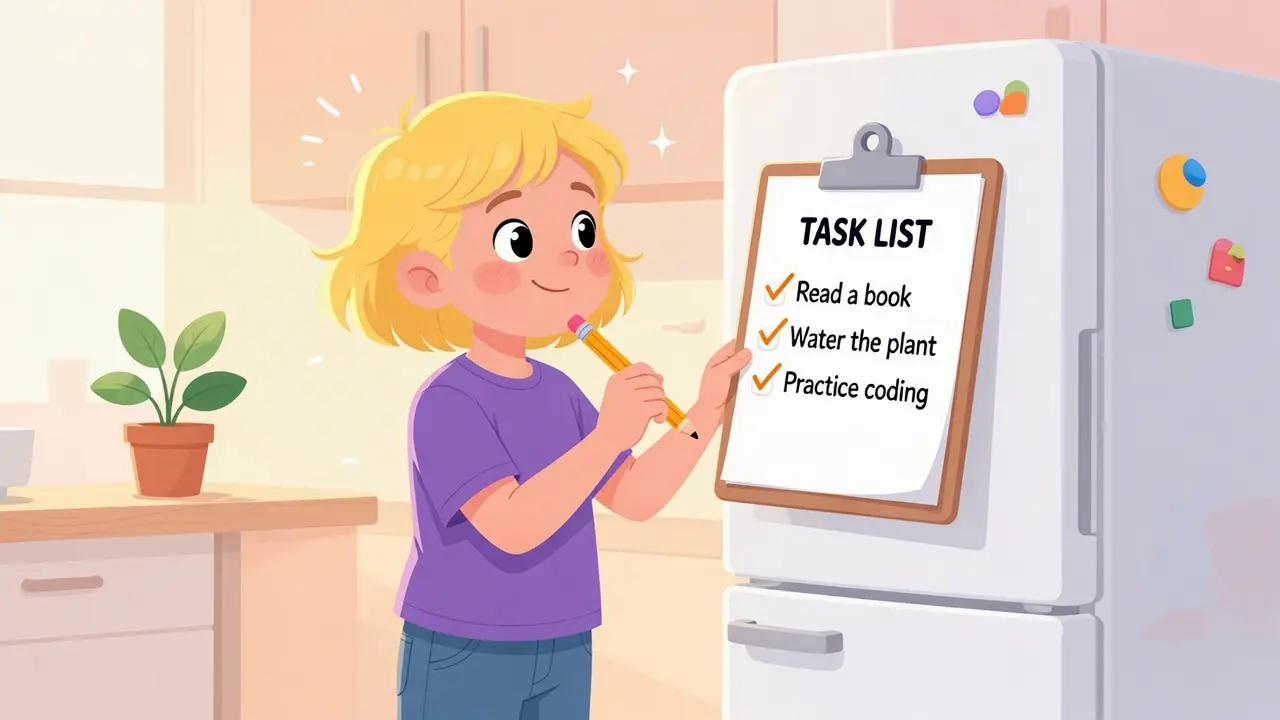
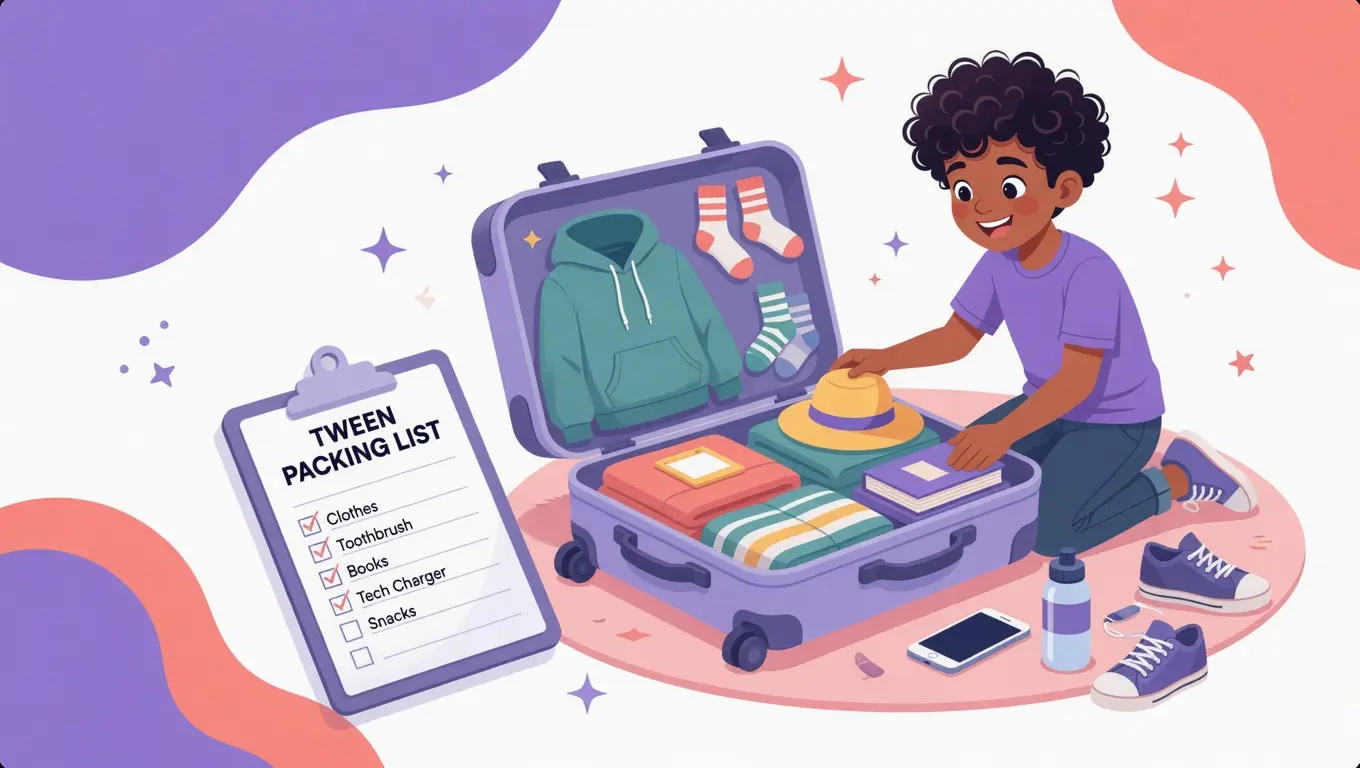
Memory is not a reliable strategy for packing. A 9-year-old needs a systematic way to verify that they have included everything necessary. Create a master packing list together before the trip. Organize this list into categories: clothing, toiletries, equipment, and personal items.
Have the child physically check off each item as they place it in their bag. Do not do the checking for them. If they forget socks or a swimsuit, allow them to experience the consequence of arriving without it. This experience is the most effective teacher for a 9-year-old. The next time they pack, they will recall that lost sock and likely refine their process.
Establishing a packing rhythm
Break the packing process into phases. Attempting to pack everything in one sitting can overwhelm a nine-year-old and lead to careless mistakes. Suggest that they gather their items the day before, then perform a final count the next morning.
This pacing encourages thoughtful decision-making. Encourage them to ask themselves specific questions about their items:
- Do I have enough sets of underwear for the duration of the trip?
- Is my gear stored in a way that I can easily reach it?
- Have I included all the necessary accessories for my planned activities?
By prompting these questions, you teach them to treat packing as a logical, step-by-step process rather than a rushed chore.
Handling the bag as a system
Teach your child how to organize their space within the bag. A 9-year-old often needs help learning that heavy items go at the bottom, while items needed for frequent access belong at the top.
If the bag is too heavy, have the child weigh it and decide what to remove. If they cannot find their items, have them reorganize the bag until they can identify the location of everything within seconds. This focus on efficiency teaches them that their belongings are their own responsibility to maintain and access.
Troubleshooting for success
If a trip goes wrong because of missing items, use it as a data point for the next trip. Sit down with them and review the list. Which items were essential? Which items were never used? Adjusting the list based on reality is a key part of the learning process. It prevents them from falling into the habit of blind compliance and helps them focus on what they actually need.
Conclusion
Encouraging a 9-year-old to pack their own bags for camp or family trips is one of the most practical ways to build real-world confidence. By shifting the role of the parent from the packer to the facilitator, you teach your child that they have the capability to handle their own logistics. This level of autonomy serves as a firm foundation for more complex responsibilities as they continue to grow.