
Packing for Summer Camp with Your 10-Year-Old
The Role of Personal Responsibility
At ten years old, children are cognitively capable of managing complex, multi-stage tasks such as packing for a summer camp or a family trip. This task serves as a practical exercise in categorization, foresight, and personal accountability. When you hand off the packing process, you move your child from a passive recipient of your preparation to an active manager of their own items.
Creating an Objective Checklist
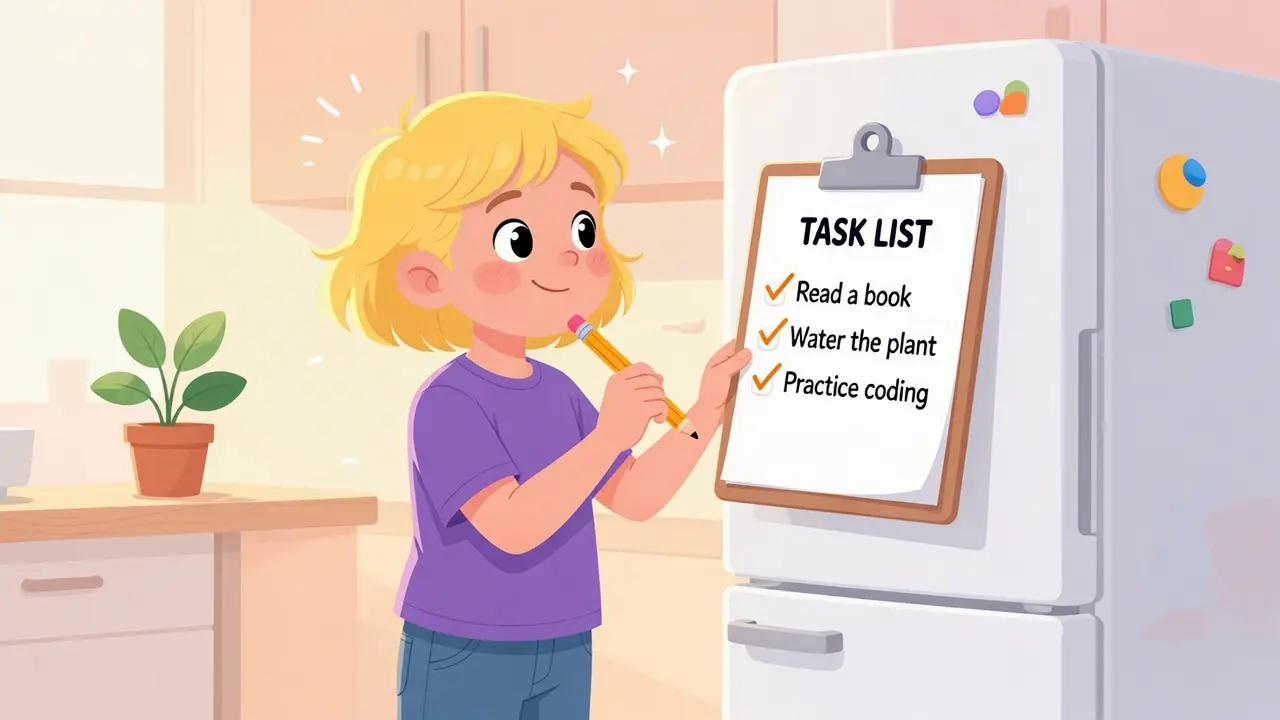
Avoid simply telling your child what to pack. Instead, create an objective list together. Break the packing list down into logical categories: clothing, hygiene, equipment, and comfort items. Use a physical checklist where each item must be accounted for before it goes into the bag. This provides a clear, observable standard that eliminates the need for you to double-check their work.
Ask your child questions to guide their choices: What is the weather forecast at the destination? How many days will you be gone? What specific activities will you participate in? By requiring them to answer these questions, you ensure they are packing based on logic rather than random impulse.
Organizing for Functional Access
Help your 10-year-old understand how to organize the contents of their bag for practical use. Teach them to group items that belong together. For example, suggest using separate small pouches for toiletries, electronics, and undergarments. Explain that keeping a bag organized is not about neatness, but about functional access. If they can easily find their toothbrush without dumping the entire bag, they are more likely to keep it organized throughout their trip.
Managing Consequences of Omission
If your child forgets a necessary item, treat it as a logistical outcome. Avoid providing immediate bailouts or lecturing. Instead, discuss the impact of the missing item. If they forget their rain jacket, how will they handle a storm? How can they adapt to the current situation? By allowing them to experience the natural result of an incomplete packing list, you teach them the value of thoroughness in a way that is far more impactful than any warning you could provide.
Reviewing and Adjusting the Process
After they return from their trip, sit down to debrief the packing process. Ask them which items they used, which were unnecessary, and what was missing. This reflection turns the experience into a learning loop. If they packed too many shirts but lacked clean socks, they can adjust their checklist for the next trip. This cycle of planning, experiencing, and reflecting is how a 10-year-old develops the skill of self-managed preparation.
Ultimately, the goal is to equip your child with the autonomy to manage their own requirements. When you step back and trust them with this process, you demonstrate your belief in their competence. They learn that they are capable of handling the logistics of their own life, an essential step toward independence.