History Exploration for Your 2nd Grader
History as Personal Discovery
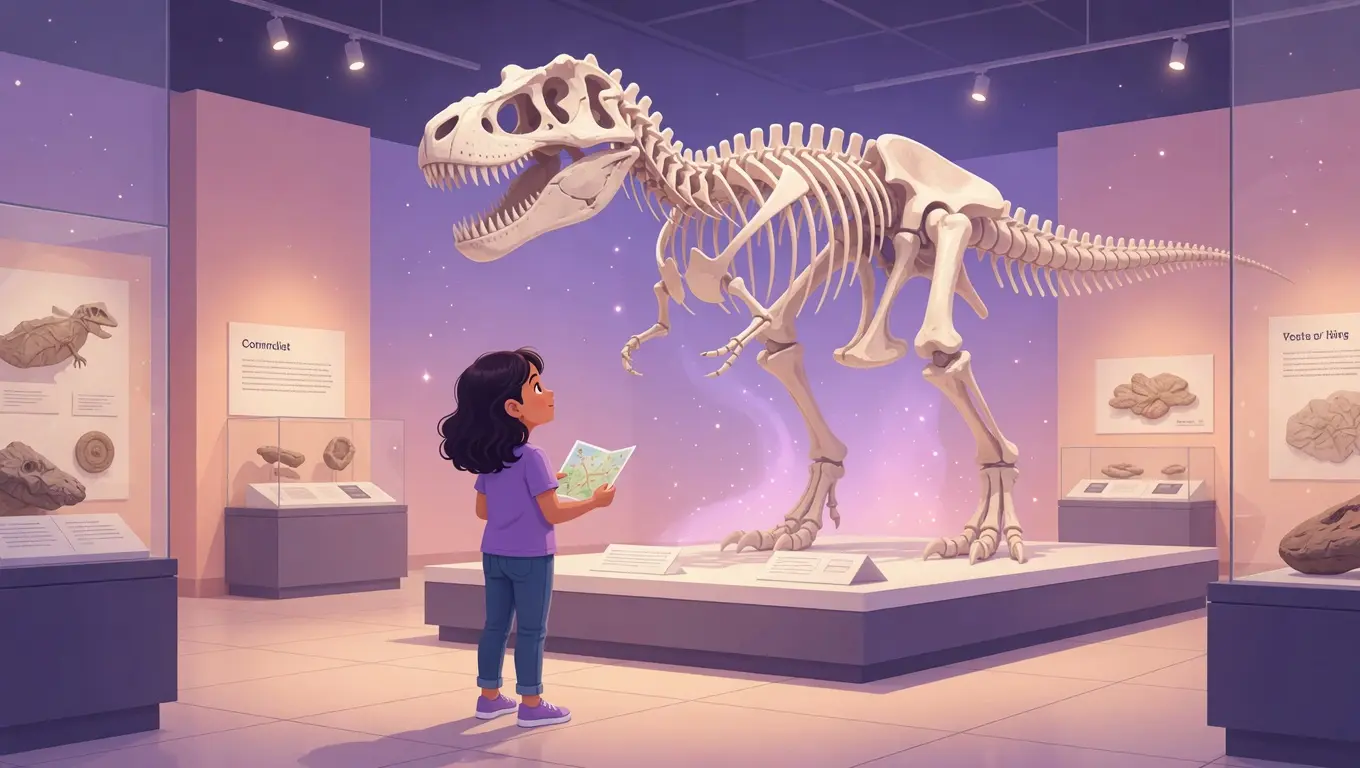
At seven or eight years old, a 2nd grader is just beginning to understand that the world had a past that is different from their present. Abstract dates and distant eras are less meaningful than tangible, physical connections. Summer travel and museum visits offer a unique opportunity to make history concrete. Instead of lecturing, equip your child with the role of a junior explorer whose task is to find clues about how people lived in different times.
Becoming a Museum Detective
When visiting a local museum, do not attempt to view every exhibit. Focus on one or two galleries and turn the visit into a scavenger hunt. Provide your 2nd grader with a list of items to find, such as a tool from a specific century or an object that might have been used in a kitchen. This turns passive observation into an active search.
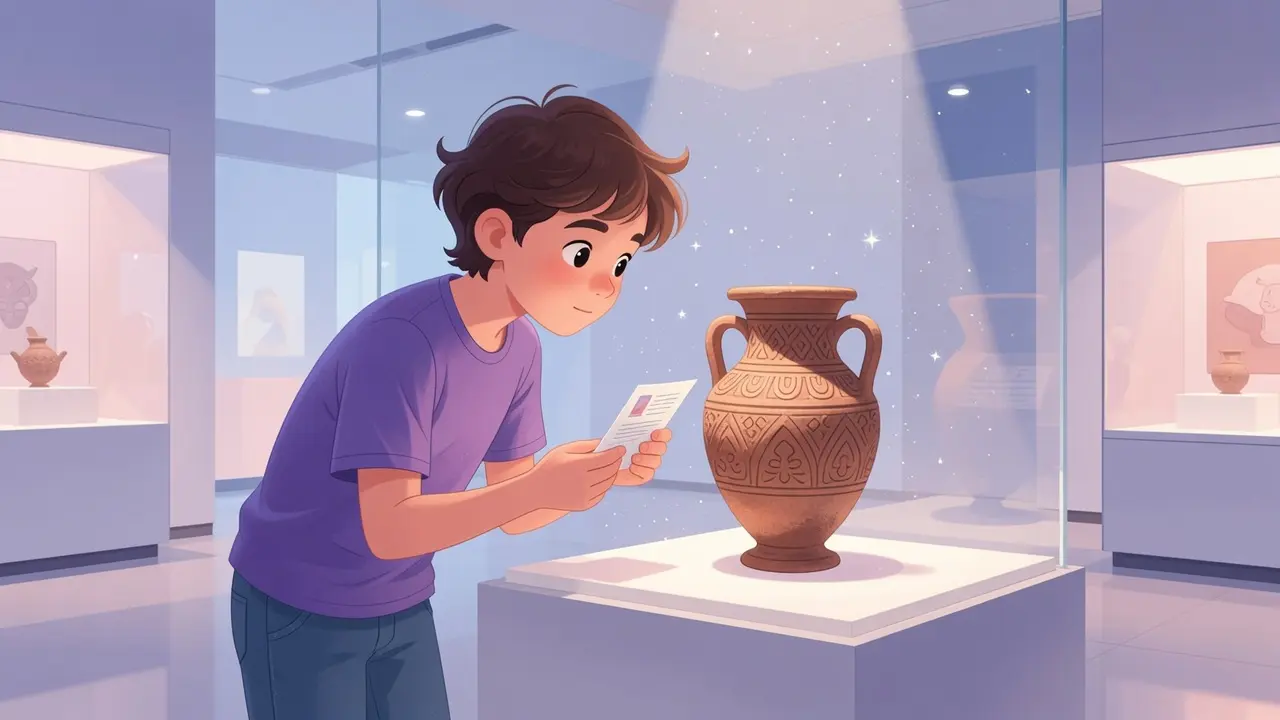
Once they find an item, ask them to hypothesize what it was used for and why it was important. If they see a heavy iron stove, ask them how they think people kept it hot or what it was like to cook on it compared to a modern microwave. This engages their curiosity and requires them to relate historical objects to their own life experience.
Mapping Personal Connections During Travel
If your summer travel takes you to historical sites, focus on the people who lived there rather than the political events. If you are visiting a colonial site or an old farm, ask your 2nd grader to identify things that would have been different for a child their age. Did they have schools? Did they have to work?
Comparing their own daily routines with those of a 2nd grader from the past helps ground historical facts. It allows them to understand that history is made up of individuals who faced similar challenges but with different tools and circumstances. Use the car rides to discuss these observations and compare notes.
The Logic of Historical Causality
History is a series of cause-and-effect relationships. Help your 2nd grader practice identifying these by discussing the 'why' behind historical events you encounter. If you visit a historic bridge or an old fort, discuss why it was built in that specific location. Was it for trade, protection, or travel?
By asking them to identify the function of a location, you encourage them to consider the environment and the needs of people in the past. This forces them to think about how geography and human needs have shaped historical development. It transforms a boring historical fact into a logical conclusion they can reach on their own.
Recording Historical Observations
Encourage your child to record their observations in a travel journal. Have them sketch one item they find interesting and write a brief description of what they think it is and why it matters. This forces them to look closely at details. If they are unsure about an object, help them search for information on the nearby plaque or ask a docent. This teaches them that finding answers is a rewarding part of the historical process.
Critical Evaluation of Historical Evidence
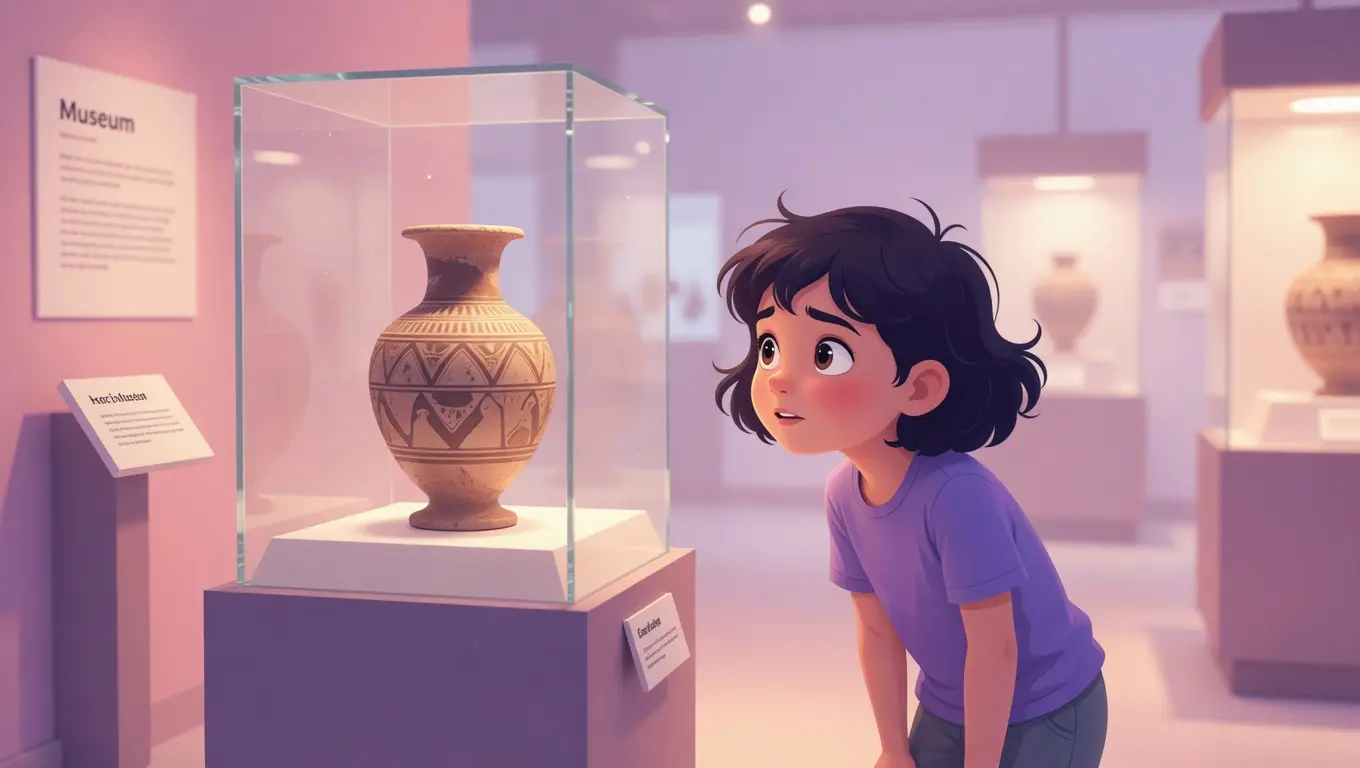
When your child asks a question about the past, avoid giving a definitive answer. Ask them what evidence they have to support their idea. If they speculate about an object, ask them to check the museum label to see if they are correct. This builds the habit of checking primary sources for evidence. Summer provides the time to explore these connections at a pace that is comfortable for a 2nd grader, ensuring they view history not as a set of dates, but as an ongoing story of discovery.
By the end of the summer, your child will have developed a deeper sense of perspective and a stronger ability to connect the past to their own experiences, setting a great foundation for their future social studies learning.