
History Exploration for Your 8th Grader
History as Active Inquiry
By eighth grade, the study of history should move beyond memorizing names and dates. Students are developmentally prepared to engage with history as an active inquiry into cause, effect, and human perspective. Whether you are planning a road trip to a historical site or visiting a local museum, you can frame these experiences as investigative challenges rather than passive sight-seeing.
The Museum as a Case File
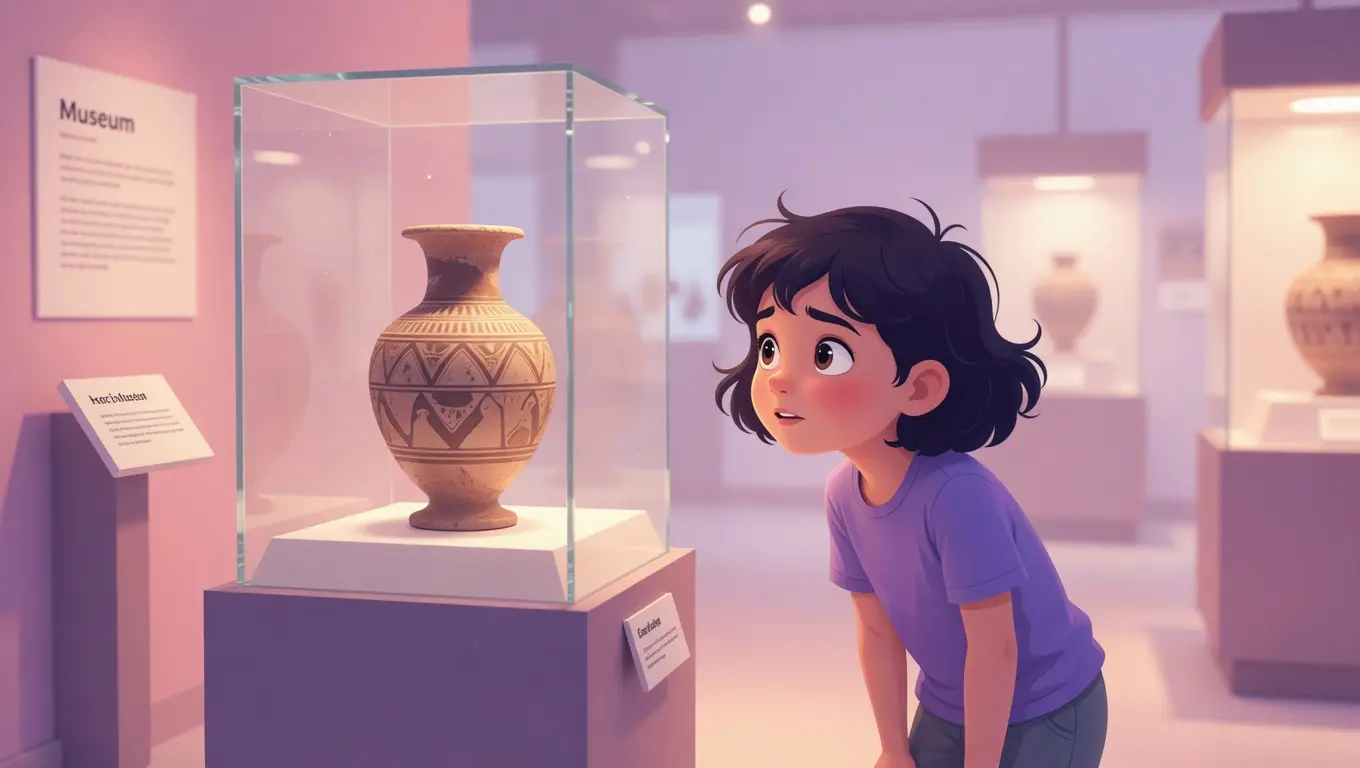
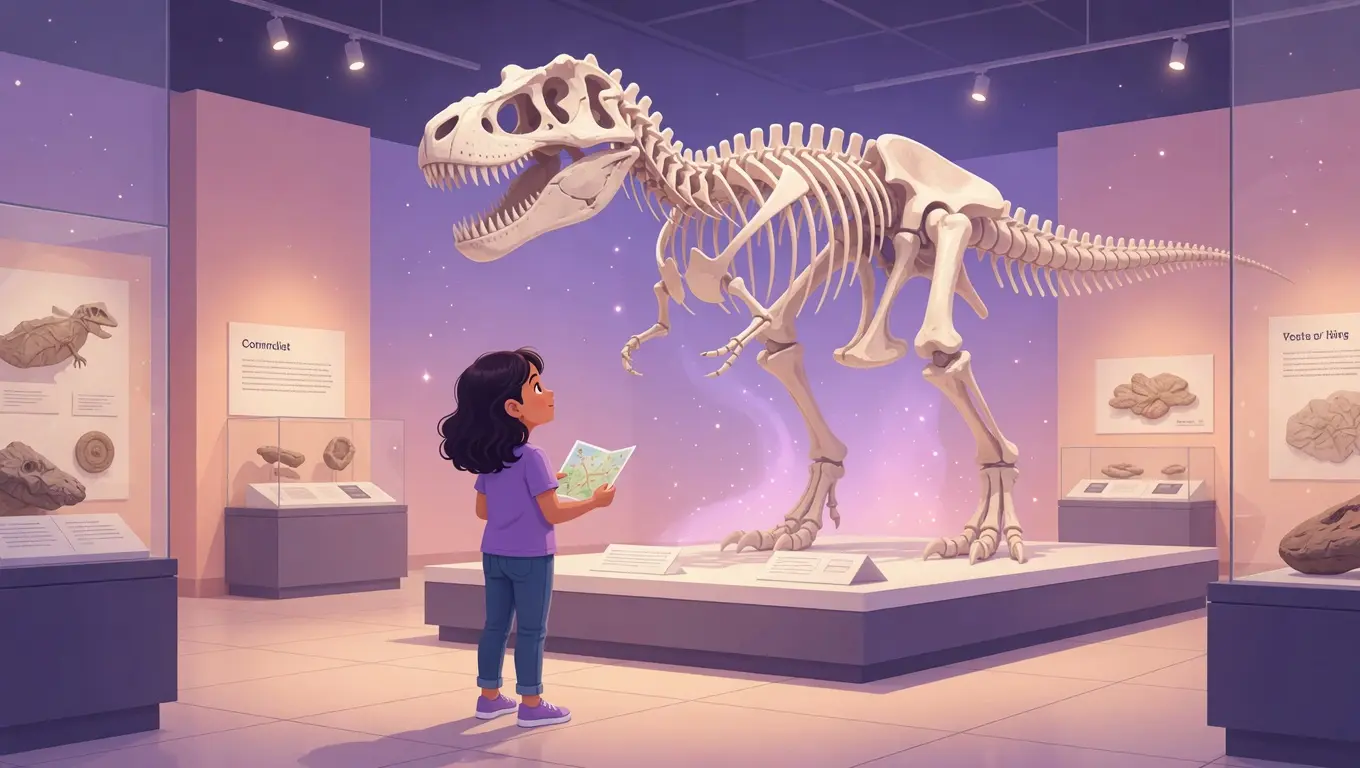
Treat museum visits like a case file. Give your 8th grader a specific mystery to solve or a question to investigate. For example, rather than simply walking through a collection of artifacts, ask them to identify how the technology of that era reflected the society's priorities or how a particular conflict shaped the development of a specific region. This approach requires them to look for evidence, evaluate conflicting perspectives, and construct their own narrative based on what they observe.
Analyzing Context Through Travel
When traveling to historical sites, look for the evidence of change over time. Ask your 8th grader to compare the current landscape with historical descriptions or to investigate why a specific location was strategically significant. Encourage them to ask why things are the way they are today by examining the historical forces that shaped them. This turns a standard sightseeing trip into an analysis of the relationships between geography, human choices, and consequences.
Facilitating Critical Engagement
As a parent, you are the guide to this inquiry. When your 8th grader observes a historical event or artifact, resist the temptation to give them the 'correct' summary. Instead, ask questions that challenge them to evaluate the evidence. Ask, 'What evidence do we see here that supports this version of the story?' or 'How might different groups have interpreted this event differently at the time?' This encourages them to view history as a field of active debate rather than a set of settled facts.
Building Mature Historical Perspective
By helping your child see history as a series of complex human choices with lasting consequences, you are building the critical thinking skills they will need for high school social studies. They will learn to approach historical information with humility, recognizing that our understanding of the past is always evolving as we uncover new evidence and consider different perspectives. This maturity is a vital component of academic growth at this age.
Conclusion: Understanding the Human Story
History is a narrative we build based on evidence, logic, and context. By engaging in these explorations with your 8th grader, you ensure that they remain intellectually active throughout the summer while fostering the analytical skills to understand their place in the ongoing human story. This approach builds a foundation of historical thinking that will support them in all their future academic endeavors.